Construction sector sees growth in March but Middle East conflict dampens confidence
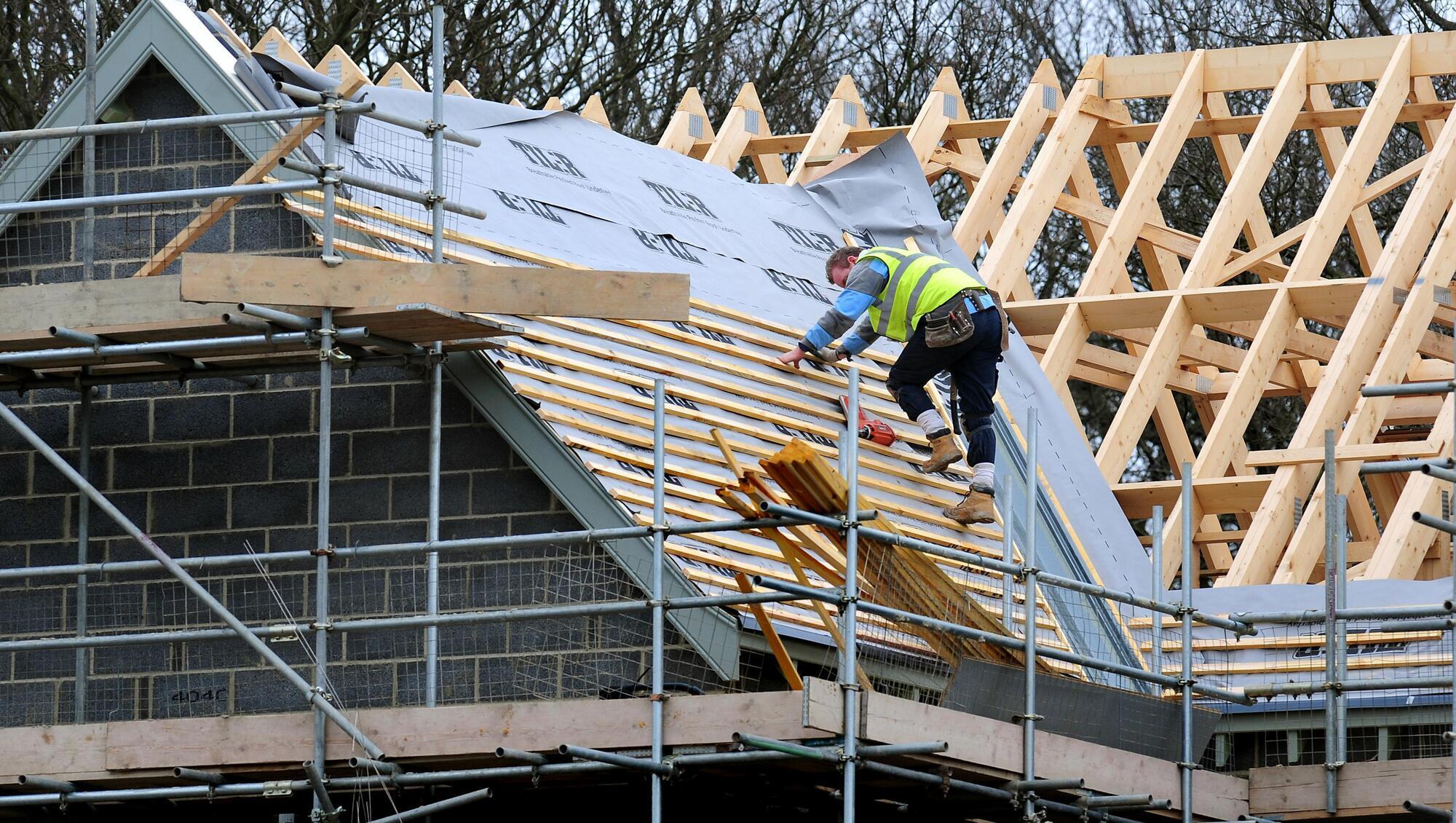
Building activity in the residential sector posted its second successive month of growth for the first time since the first half of 2025.
Construction activity saw strong growth during March but uncertainty around the war in the Middle East dampened business sentiment in the sector, the latest AIB Purchasing Managers Index (PMI) shows.
The sector’s PMI showed a reading of 53.2 in March, up from 52.1 recorded in February “signalling a solid monthly rise in construction activity at the end of the opening quarter of 2026”.
It noted total activity increased at a sharper rate in March amid a further solid expansion in new orders. Firms surveyed for the PMI indicated securing new business had been the main factor leading total activity to expand in March.
New orders increased for the fourth consecutive month. Although the rate of expansion softened slightly from the four-year high posted in February, it remained solid.
Output has now increased in two successive months, with the latest expansion the fastest for a year.
Companies raised employment and purchasing activity to greater extents at the end of the first quarter. Workforce numbers increased for the fifth consecutive month, with firms often reporting the hiring of full-time employees. The rate of job creation was the fastest in 15 months.
AIB senior economist John Fahey said growth continued to be driven by two of the three construction sub-sectors, with commercial activity being the best-performing, which recorded “its fastest pace of expansion in a year”.
“Building activity in the residential sector posted its second successive month of growth for the first time since the first half of 2025. The pace of growth improved compared to February and was also its fastest in a year,” Mr Fahey said.
Throughout much of 2025, the PMI recorded declining activity across the residential construction sector. Official figures show a total of 36,284 new homes were completed during last year, a 20.4% increase from 2024.
However, civil engineering retained its position as the weakest of the three sub-sectors, although the rate of contraction eased for the fourth month in-a-row.
The PMI said inflation pressures intensified during the month, often due to higher fuel costs, while uncertainty due to the war in the Middle East led business confidence to wane.
The rate of growth in input buying was the most pronounced in just over four years as purchasing rose for the fifth month running. Close to half of all respondents signalled a rise over the month, with inflation often linked to higher fuel costs.
“Rising fuel prices also impacted suppliers' delivery times, with shortages of materials and difficulties finding drivers also contributing to a marked lengthening of lead times,” the PMI said.
Mr Fahey said construction firms “continued to convey an optimistic view on the prospect for increasing activity levels over the coming 12 months”.
“However, the uncertainty arising from the conflict in the Middle East saw confidence levels fall to a four-month low."
Uncertainty as a result of the war in the Middle East acted to dampen business sentiment in March, with confidence in the year-ahead outlook easing to a four-month low.

CONNECT WITH US TODAY



Be the first to know the latest news and updates