Oil prices plunge below $100, stocks surge after US-Iran ceasefire
European stock futures are pointing to a strong rally when markets open today.
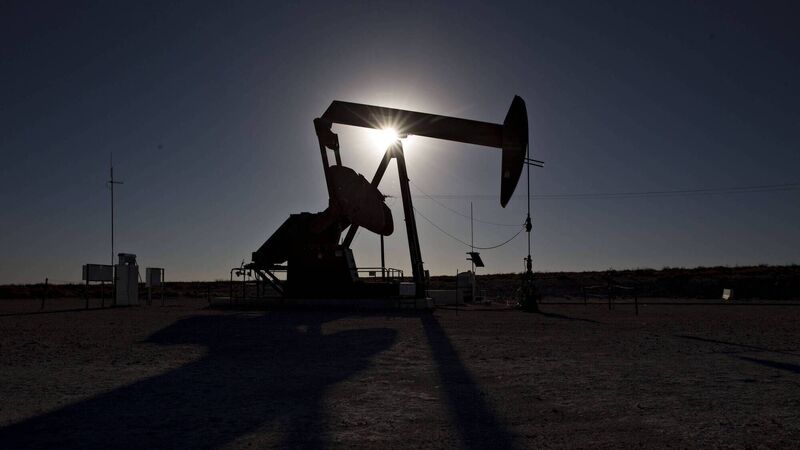
Oil prices plunged more than 15% below $100 a barrel and European stocks surged after the US and Iran agreed a two-week conditional ceasefire on Tuesday evening, including a temporary reopening of the strait of Hormuz.
Investors breathed a sigh of relief, and Brent crude, the global oil benchmark, fell by more than $15 to $93.82 a barrel in early London trading. It reached a low of $91.7 a barrel in Asian trading – but remains much higher than before the US and Israel launched attacks on Tehran on 28 February, when it traded around $72 a barrel.
European shares jumped more than 3% on Wednesday. The pan-European STOXX 600 index was up 3.6% at 611.86 points and poised for its biggest one-day jump in a year, if the current momentum persists.
In Dublin, the ISEQ All Share index of stocks jumped almost 6% on opening.
European gas prices have fallen 20% since the ceasefire was announced. The European bellwether front-month gas contract on the Dutch TTF hub initially dropped to €42.50 per megawatt hour this morning, its lowest since 2 March, before rising slightly to €43.46 per megawatt hour.
Japan’s benchmark Nikkei 225 jumped 5.45%, the Australian market climbed 2.55% and South Korea’s Kospi soared 7.7%. Elsewhere, Hong Kong’s Hang Seng surged 3%, while the Shenzhen Composite in China rose just over 4%.
The dollar fell more than 1% against a basket of major currencies. Spot gold rose 2.6% to $4,825 an ounce.
After a last-minute diplomatic intervention led by Pakistan, Donald Trump held off on his threat to bomb Iran “back to the stone ages” and wipe out “a whole civilization”.
With less than two hours to go until his ultimatum of 8pm Eastern time, the US president said a ceasefire agreement had been mediated through Pakistan, whose prime minister, Shehbaz Sharif, had requested the two-week peace in order to “allow diplomacy to run its course”.
Trump wrote in a post that “subject to the Islamic Republic of Iran agreeing to the COMPLETE, IMMEDIATE, and SAFE OPENING of the Strait of Hormuz, I agree to suspend the bombing and attack of Iran for a period of two weeks”.
Soon after, Iran’s national security council confirmed it had accepted a two-week ceasefire under the management of its military if attacks against Iran were halted. Tehran said peace negotiations with the US would begin in Islamabad on Friday.
However, there is still much uncertainty about the outcome of the talks, how the strait of Hormuz will be managed and what will happen to shipping after the two-week period ends.
The Guardian


CONNECT WITH US TODAY



Be the first to know the latest news and updates