The Gulf conflict: Irish businesses face export challenges and opportunities
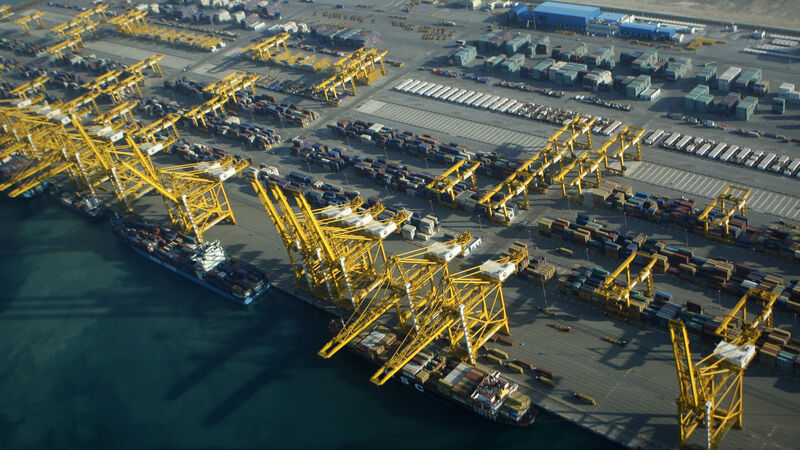
Irish merchandise exports to the Arab world were valued at more than €3bn in 2025.
As Ireland’s fuel suppliers and aviation industry battle the far-reaching consequences of conflict in the Arab world, our exporters, including many small businesses, are also confronting a growing challenge.
Pharma companies, food producers and medical manufacturers are among those feeling the pressure. Many of these businesses rely heavily on air freight, a transport lifeline that has been severely disrupted as the US-Israeli war with Iran continues to destabilise the region.
Flights have been rerouted, insurance costs have increased, and supply chains that once moved smoothly between Ireland and the Gulf now face uncertainty and delay.
The stakes are high: Irish merchandise exports to the Arab world were valued at more than €3bn in 2025, while services exports reached €16.2bn in 2024.
However, it is particularly concerning that about 20% of Ireland’s exports to the region are now directly affected by disruptions caused by the conflict. The Strait of Hormuz, one of the world’s most strategically important shipping routes for oil, gas, and fertilisers, is under severe strain. Maritime traffic has slowed dramatically.
While Tehran maintains the waterway is technically open, it cannot guarantee the safety of vessels from other countries. Many exporters have had to divert their goods through alternative routes, often at significant extra cost.
For small and medium-sized enterprises, these adjustments are especially challenging, adding further pressure on businesses already navigating a volatile global market.
Yet despite these challenges, the Gulf remains one of the most promising opportunities for Irish business. The region imports nearly 90% of the goods it consumes, creating enormous demand for international partners.

Irish butter, powered milk, meat and chocolates are already staples on supermarket shelves across the Gulf. Irish technology and pharmaceutical products are widely used in markets such as Egypt. Irish engineering and construction expertise can be found embedded in the buildings, transport systems and major infrastructure projects shaping cities like Dubai.
The region also plays a critical strategic role as a gateway to wider global markets. Irish exporters frequently use hubs such as Dubai, Doha and Abu Dhabi to reach customers across Asia. For companies looking to expand internationally, these hubs are invaluable.
Crucially, many of these exporters are small and medium-sized enterprises. Unlike multinational corporations, they do not always have the financial resilience to absorb prolonged disruptions. Without consistent trade support and strong diplomatic engagement, these businesses risk losing ground in markets they have spent years building.
This is why Ireland must remain committed to maintaining strong commercial ties with the Gulf. If we retreat from the region during difficult times, we risk damaging not only our economic prospects but also our reputation as a reliable trading partner. In the Gulf, relationships matter. Trust is built slowly and maintained through consistency.
At a time when global trade dynamics are shifting, including the continued impact of tariffs introduced by US president Donald Trump, diversifying Ireland’s export markets has never been more important. The Arab states offer Irish companies an opportunity to expand beyond traditional trading partners and secure new sources of growth.
Despite the conflict, it is having a real impact on exporters and business confidence. But markets in the Gulf remain resilient. As Irish expatriates and business leaders in Dubai, Doha, Saudi Arabia and Abu Dhabi will attest, much of the region continues to operate with a sense of determination and pragmatism; in many cases maintaining a “business as usual” approach despite geopolitical tensions.
The door therefore remains open for ambitious Irish businesses willing to look beyond traditional markets. The question is whether we are prepared to support them.
Irish exporters have shown ambition, leadership and resilience in the face of adversity before. With the right support from Government and industry, they will do so again.
In an Irish context, while the immediate impact on the conflict was on flight disruption for passengers, we must not lose sight of a bigger, more long-term reality: the Arab world remains a vital partner for Irish enterprise.
Our Government, and our business community, must not underestimate the importance of the Gulf to Irish exports, Irish jobs and Ireland’s long-term economic future.
- Ahmad Younis is chief executive of the Arab Irish Chamber of Commerce


CONNECT WITH US TODAY



Be the first to know the latest news and updates