EU agrees to fine online platforms importing unsafe products
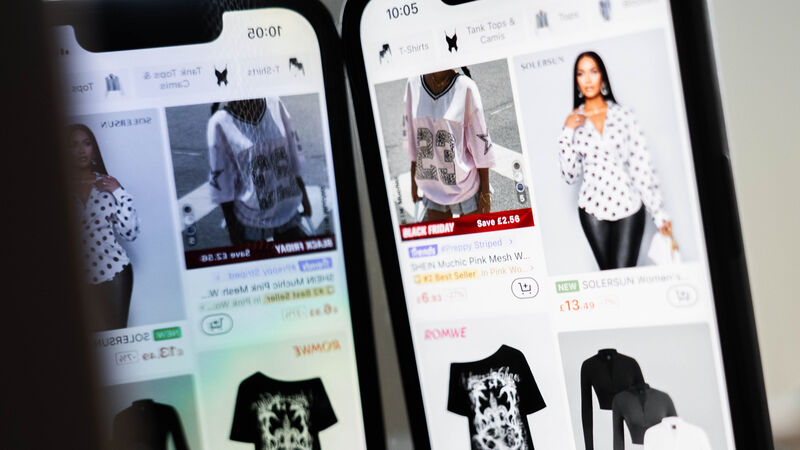
The EU does not apply customs duty on parcels valued at less than €150, which has fuelled rapid growth of online shopping platforms such as Shein, Temu and AliExpress that send consumers packages direct from China.
The European Union agreed on Thursday to an overhaul of its customs system, including a crackdown on mainly Chinese e-commerce platforms that face potential fines if they sell illegal or unsafe products into the bloc.
The 27-nation bloc is seeking to coordinate the collection of duties and safety checks as it struggles to manage the high volume of low-value e-commerce parcels entering the bloc, with the total reaching 5.8bn in 2025.
Representatives of the European Parliament and EU governments struck a provisional deal late after negotiations running into Thursday evening to clarify final details.
Under the new system, online platforms that sell into the bloc will be treated as importers and responsible for payment of duties and product safety. Companies repeatedly flouting EU rules could face fines of between 1 and 6% of their total sales into the EU over the previous 12 months.
The EU does not apply customs duty on parcels valued at less than €150, which has fuelled rapid growth of online shopping platforms such as Shein, Temu and AliExpress that send consumers packages direct from China.
The bloc aims to scrap the duty exemption and plans to impose a €3 fee from July as a interim measure. The European Commission will also now determine an additional handling fee to be imposed from November 1.
On Wednesday, French city Lille was selected as the location of the future EU Customs Authority (EUCA), whose 250 staff will oversee a new EU data hub that will provide a more centralised and digital view of incoming goods.
The data hub is slated to open for e-commerce consignments in 2028 and cover all imported goods by March 1, 2034.
Next week, the EU will send a nine-member delegation to Beijing and Shanghai to address challenges in the digital and e-commerce sector as well as foster fair competition between China and the bloc, a statement from the EU Delegation to China on Thursday showed.
Over three days, the European lawmakers will meet with Chinese legislators and market regulators as well as Shein, Alibaba and Temu.
The bloc's concerns over product safety were highlighted by a study published by the European Commission this month. It found that 60% to 65% of imported cosmetics, including make-up, food supplements and personal protective equipment, such as bicycle helmets, did not comply with EU safety rules.
Reuters


CONNECT WITH US TODAY



Be the first to know the latest news and updates