Wholesale electricity prices were down over 23% prior to Iran war, CSO says
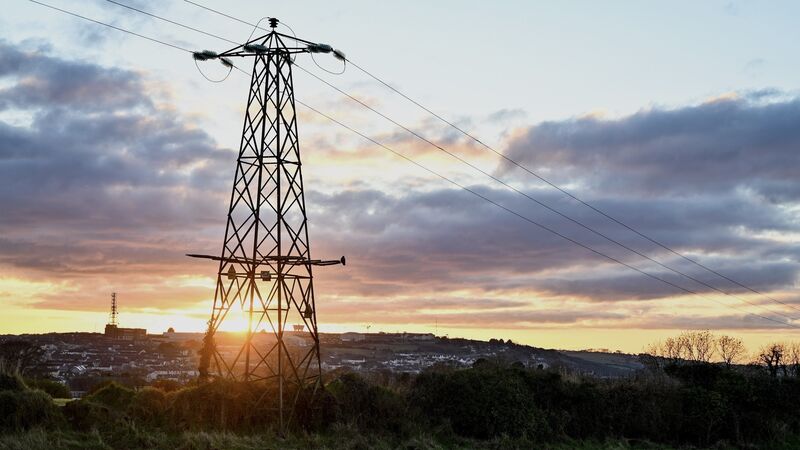
During February, electricity prices were down 72.1% from their previous highs of August 2022 when the invasion of Ukraine by Russia sent oil and gas prices soaring.
Wholesale electricity prices were down 23.3% in February, compared to the same period last year, right before the US and Israel launched an attack on Iran which already caused energy prices to increase significantly, new data from the Central Statistics Office (CSO) shows.
Electricity prices are down 72.1% from their previous highs of August 2022 when the invasion of Ukraine by Russia sent oil and gas prices soaring.
However, the ongoing conflict in the Middle East has not been captured in this most recent CSO data but it is already being seen in the oil and gas markets. The war has already seen damage done to major energy facilities in the Gulf and nearly halted shipping through the Strait of Hormuz, which handles about 20% of global oil and liquefied natural gas flows.
Brent crude oil — a global benchmark for oil prices — rose above $113 (€97.52) a barrel, up for a fifth day, while West Texas Intermediate was near $100. Immediately prior to the war, Brent crude oil was trading just over $70 a barrel.
The impacts of these increases have already been seen at petrol pumps across the country.
The European benchmark price for natural gas futures contracts has nearly doubled since the war started which will cause electricity prices to increase. According to EirGrid, approximately 55% of the nation’s electricity use is powered by gas.
All this is expected to lead to an increase in inflation.
An assessment by Bank of Ireland suggests that inflation will rise to between 3.5% and 4% through March and April largely due to the impact of higher petrol, diesel and home heating oil prices.
“Government action to cut excise duties may dilute some of the upward impact on Consumer Price Index inflation next month,” the bank said.
Another spike in inflation across the EU could lead the European Central Bank to increase interest rates again when they meet again next month.
Aside from the energy prices, the CSO data also showed that domestic producer prices for manufactured goods were on average 2.2% higher in February year-on-year while producer prices for exported goods were down by 6.3%.
Overall, manufacturing producer prices were 5.5% lower in the year.
Producer prices for food products decreased by 2.9% during the course of the year, while the food products, beverages, and tobacco index was down by 3.1%.
The largest increase in food prices was seen in fish and fish products, up 6.1%, while the biggest decrease was in the category of “other food products”, down 6.2%, while beverages also decreased by 4.4%.
There were more significant price increases in other sectors. Chemicals and chemical products prices increased 21%, while fabricated metal products, except machinery and equipment, increased 3.7%.
Wholesale prices for construction products rose by 1.8% in the 12 months since February 2025. The building and construction index, which includes the cost of materials and wages, was up 2.6% in the year.


CONNECT WITH US TODAY



Be the first to know the latest news and updates