European airlines set to challenge EU sustainable fuel rules
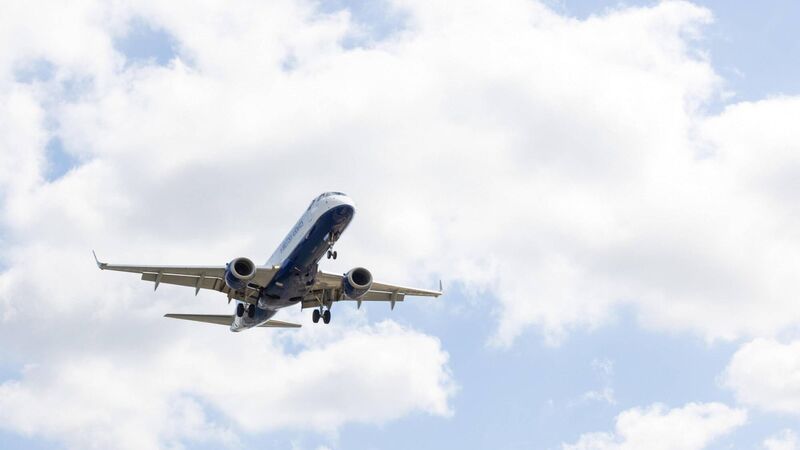
European airlines are preparing to challenge EU rules requiring the use of synthetic sustainable aviation fuel from 2030 and plan to urge a delay or repeal of the mandate due to concerns over high costs and scarce supply. Picture: Chris Ratcliffe/Bloomberg
European airlines are preparing to challenge EU rules requiring the use of synthetic sustainable aviation fuel from 2030 and plan to urge a delay or repeal of the mandate due to concerns over high costs and scarce supply.
The move would target EU rules requiring airlines to use a certain amount of synthetic green jet fuel, or eSAF, from that year, with an industry announcement set for Thursday.
The planned challenge, previously unreported, remains under discussion and could still change, Reuters sources said, as regulators have privately pushed back against the idea.
The European Commission did not immediately respond to a request for comment.
The airline sector, already impacted by flight disruptions and higher fuel costs linked to the Iran war, says Europe's green jet fuel mandates are too strict, with insufficient supply on the market and prices that are too high to absorb.
Aviation is among the hardest sectors to decarbonise, with zero-emission aircraft not expected this decade, leaving green fuels, with lower emissions than conventional jet fuel, as one of the few immediate options to cut emissions from air travel.
Europe's airline executives are following in the footsteps of the car industry, which last year managed to water down a rule banning the sale of CO2-emitting cars after 2035.
The announcement is expected at an industry conference organized by trade group Airlines for Europe (A4E), with details still being finalized, the sources said.
A4E's members include Ryanair, Aer Lingus-owner IAG, Air France-KLM, and Lufthansa. "They want to postpone the eSAF requirements until there is enough production online," said Camille Mutrelle, a policy officer at advocacy group Transport and Environment (T&E) who has knowledge of the plans. T&E supports keeping the rules in place.
"If we postpone, eSAF startups will die and Europe will lose the early mover advantage."
One of the two sources who was familiar with the discussions said airlines were also considering urging that the eSAF mandate be scrapped altogether.
An A4E spokesperson said in a statement to Reuters its members were set to meet on Thursday, but did not comment on the group's position, saying airline CEOs would make the decision.
In a later statement, A4E said eSAF was a "nascent technology" and that projects with firm investment were expected to only produce 0.7% of volumes needed to meet EU targets in 2030.
"Under the current eSAF trajectory, passengers would be forced to pay €7bn to €9bn of penalties, pushed onto airlines by fuel suppliers," it added.
The EU requires 2% of fuel made available at regional airports to be sustainable aviation fuel (SAF) in 2025, rising to 6% in 2030, with synthetic SAF (eSAF) accounting for 1.2% from 2030, rising to 5% in 2035, under current plans.
Airlines say there's little available supply of synthetic jet fuel and that planned production facilities are unlikely to come online in time to meet the mandate.
Most SAF on the market is made from used cooking oil or animal waste, costs three to five times more than traditional jet fuel and makes up just 0.3% of global jet fuel supply.
Synthetic sustainable jet fuel is made from renewable energy such as captured carbon dioxide or green hydrogen. It emits less carbon than bio-based SAF, but is much more expensive to make.
Reuters
CONNECT WITH US TODAY



Be the first to know the latest news and updates