Pension gender gap would see women working 10 extra years
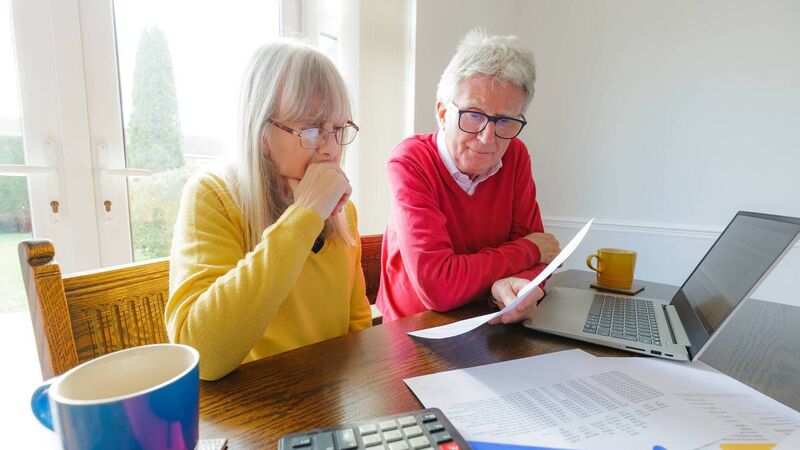
Study finds women are more likely to face barriers in regards to pensions and 'retire with 31% less in pensions savings than men'
Pension gender gap would see women working 10 extra years

The research shows that women start their pensions later in life at an average age of 35.3 compared to an average age of 32.7 for men.


Irish women would have to continue to work for an extra 10 years while contributing to a pension in order to match men’s retirement savings, according to research by Aviva Life & Pensions Ireland, which identified a 31% national gender pension gap.

The research shows women start their pensions later in life, at an average age of 35.3, compared to an average age of 32.7 for men — while 17% of women will only start saving at the age of 50 or over compared to 9% of men.

In addition, 65% of working women over 50 have never calculated how many paydays they have left until retirement, compared to 53% of men.

Aviva said this is a “simple” but “effective indicator of how much time they have remaining” to prepare for retirement.

It also found that 55% of women feel anxious when they think about retirement and 58% said they don’t know what their pension is invested in compared to 39% of men.

Aviva said women are also more likely to face barriers to starting or continuing pension saving, including working part time, 23% compared to 7% of men; and providing for unpaid care, 36% compared to 26% of men.

The firm added that its modelling shows that women typically earn less over their working lives, start pensions later, and take more career breaks.

The company said: “Analysis of members aged 50 and over of the Aviva occupational pension scheme indicates that women retire with 31% less in pension savings than men — a gap that would take 10 additional years to close at typical contribution levels.”

Clair Carroll, head of corporate division at Aviva Life & Pensions Ireland, said the research highlights four interconnected gaps putting women at a financial disadvantage as they approach retirement.

“The most important step women — or anyone — can take is to speak with their financial advisor or broker, who can help them understand their options, build confidence, and take meaningful steps towards a more secure retirement,” she said.

The Aviva study was conducted among 255 adults aged 50+ who have not yet retired.

x

More in this section

The Business Hub

Newsletter

News and analysis on business, money and jobs from Munster and beyond by our expert team of business writers.

Cookie Policy Privacy Policy Brand Safety FAQ Help Contact Us Terms and Conditions

© Examiner Echo Group Limited