Rising house evaluations drive net household wealth growth; top 10% hold 49% of Ireland's total wealth
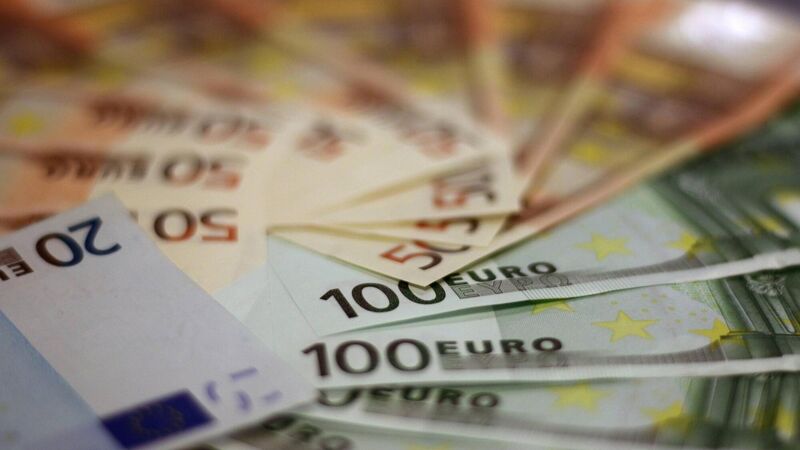
The total value of housing assets owned by Irish households increased by €31.1bn during that period with the Central Bank stating this was 'largely due to positive revaluations'. File photo: Pexels
The net wealth of Irish households increased by nearly €48.3bn during the third quarter of 2025 driven largely by the increasing value of housing assets, data from the Central Bank of Ireland shows.
As of the end of September last year, the net wealth of Irish households reached just over €1.3 trillion.
The total value of housing assets owned by Irish households increased by €31.1bn during that period with the Central Bank stating this was “largely due to positive revaluations”. Housing wealth accounts for 67.7% of total net wealth.
Total new investment during the period July to September 2025 stood at €10.4bn and was driven by investment in currency and deposits and new housing assets. Of this, investment in new housing equalled €3.8bn, while financial investments in currency and deposits accounted for €2.8bn.
Other financial instruments amounted to €3.2bn which included pension contributions.
Of the total wealth, households’ financial assets stood at €589bn. This was mainly composed of currency and deposits of €218.6bn and insurance and pension entitlements of €272bn.
Total liabilities, mainly consisting of long-term loans, totalled €157.1bn. This amount increased by €1.1bn from the end of the previous quarter. The debt-to-income ratio of Irish households also decreased to reach 83.8%.
As of the end of September, the wealthiest 10% of Irish households hold 49.2% of the total net wealth in the country. The wealth of these households totalled €709.3bn which is more than five times the amount held by households in the bottom half of the net wealth distribution altogether.
Households in the “middle” part of the distribution owned €604.1bn overall, or 41.9%, of total net wealth in the country.
The total net wealth of households in the poorest half of the distribution increased by €4.8bn to stand at €128.2bn, or 8.9% of the national total. The increase was mainly due to housing assets’ growth.
For all household groups, housing assets represent the main component of their wealth.
The Irish Gini coefficient — a measure of wealth inequality of a nation where zero reflects perfect equality — stood at 64.8, according to the Central Bank.
“This remained well below the value of the same index for the euro area as a whole, 72.4, and of most other European countries, as it has been for the past years,” it said.
“Moreover, since the beginning of the series, the Gini coefficient for Ireland decreased significantly, down 12.4 points, indicating a notable reduction in the level of wealth inequality in the country.”
Chief executive of the Credit Union Development Association Helen Carbery said while the increase in household wealth is welcome it is “still important that Irish people exercise caution around their household finances”.
“While Ireland’s economy performed strong last year, the economic outlook for 2026 is uncertain and economic growth is not expected to be as strong this year as it was in 2025 — so, having good money and budgeting habits has never been more important,” she said.
“Indeed, we have observed an increase in savings amongst our credit union members over the last year, which suggests that people are still being prudent when it comes to their money and are wisely setting aside savings — whether that be so they can achieve key financial milestones or simply have an emergency fund in the wings.”
CONNECT WITH US TODAY



Be the first to know the latest news and updates