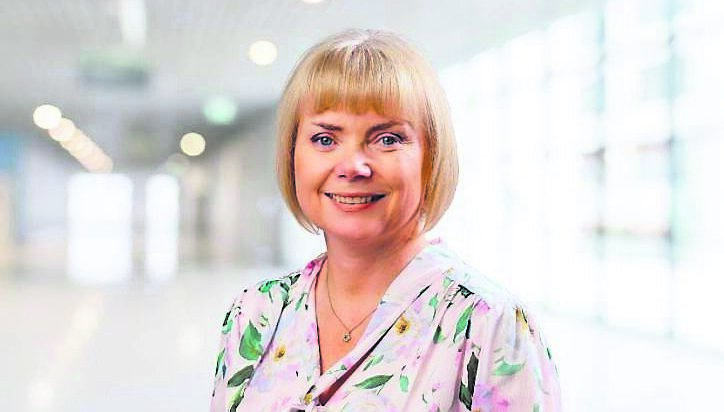
Cost controls are an increasing priority in 2026 for family-run businesses and many mid-sized firms, say two leading advisers with business consultancy Azets Ireland.
As a new year dawns, dark clouds are gathering on the horizon for Ireland’s SMEs, say Alma O’Brien, partner and head of tax, and Catherine McGovern, partner, tax, at Azets Ireland.
Business costs are stubbornly high and continuing to climb, placing relentless pressure on small and mid-sized firms across the country. These pressures are set to further intensify in January.
From the introduction of pension auto-enrolment to hikes in the minimum wage and new statutory entitlements, a series of cumulative labour cost increases continues into 2026.
Alma O’Brien notes: “For many businesses in sectors already struggling to stay afloat, the next six months will be crucial. The reduction in VAT rate to 9% from July 1 will help to alleviate some of the immediate pressure facing firms in the hospitality sector.
“However, without a proactive response there is a real risk that many businesses could face closure in the months ahead.”

Alma advises SMEs that taking proactive steps to manage the rising cost doing businesses must be a priority in the months ahead.
“Family-run businesses, high-potential start-ups, and mid-sized firms play a crucial role in the Irish economy. Together, they employ two-thirds of Ireland’s workforce and are the beating heart of local economies in towns, villages, and cities across the country,” says Alma.
“Despite navigating many challenges over recent years, the cumulative pressure of labour costs, compliance burdens and geopolitical risk is eroding the resilience of many of these firms.
“This is reflected in recent findings from the Azets Barometer which show that confidence among Irish businesses has fallen below the average across Northern Europe for the first time.”
The latest Azets Barometer has found that 41% of small firms and 52% of medium firms cited escalating labour costs as their top concern for 2026. With many SMEs operating within very tight margins, any changes in these costs can have a significant impact on profitability.
While the pension auto-enrolment system is a worthy initiative which will support the future financial security of Irish workers, employers will be mandated to pay 1.5% of gross employee pay in the first year of the scheme, with contributions set to rise further in the coming years.
“For those with limited financial headroom, these changes, along with a hike in the minimum wage and new statutory entitlements, may be the final straw,” says Alma.
“It’s also worth noting that Budget 2026 brought no changes to PAYE or PRSI bands, meaning employers will continue to shoulder the same employment tax obligations alongside these new cost pressures.
“Moving beyond quarterly budgets to long-term financial forecasts that explicitly incorporate projected increases in labour costs and inflation will be crucial to successfully navigating these challenges.
“Leaders should ensure they have access to specialist and expert advice that can support their businesses on the right strategic response to manage the impact of these cost increases.
“By preparing early and setting a clear strategy to manage change, firms can overcome these obstacles and continue growing into the future.”
Meanwhile, the Azets partners are also advising SMEs that to have strategic plans around retaining and attracting talent.
With a tight labour market set to continue in 2026, many small and mid-sized firms will struggle to attract and retain skilled talent, particularly in sectors where multinationals offer significantly higher salaries and benefits.
In this environment, it’s important that leaders are aware of all tax and payment related options available to them to support their talent needs, they advise.
Catherine McGovern says: “With PAYE and PRSI thresholds remaining static Share and Share option schemes, can provide tax-efficient measures for employees to take a stake in the business and better attract, retain, and motivate high calibre talent.
“From flexible working arrangements to tax-efficient benefits, firms should continuously review their talent offering over the coming months to ensure it remains competitive and meets their talent needs into the future.”
With some additional supports on the horizon in the form of the VAT rate cut for the hospitality, weathering the next six months will be crucial for Ireland’s small and mid-sized businesses.
“Managing the growing cost and regulatory burden on business will be essential to ensure these businesses can innovate, grow and compete into the future,” says Catherine. “This also means breaking down the barriers that prevent indigenous Irish businesses scaling and competing internationally.
“A more balanced approach to taxation - one that incentivises risk-taking, innovation, and job creation within the real economy and reduces the administrative burden- would support more competitive indigenous businesses into the future.
“At Azets Ireland, we have a deep understanding of the challenges that face entrepreneurial, owner-managed and family-owned businesses in this evolving environment. As a long-standing, trusted partner to Ireland’s SMEs, our team of experts stand ready to support and advise ambitious businesses around the country overcome these obstacles and fully unlock their growth potential in 2026,” adds Catherine.
“The time to act is now. By preparing effectively and taking decisive action to manage the challenges ahead, Ireland’s SMEs can forge a stronger financial future and unlock their full growth potential.”

Subscribe to access all of the Irish Examiner.
Try unlimited access from only €1.50 a week
Already a subscriber? Sign in
CONNECT WITH US TODAY
Be the first to know the latest news and updates