Microshifting, useful flexible work option for some in short term

Microshifting can work well for parents juggling their jobs with caring for children and for Gen Z workers who prefer to work in more concentrated bursts, but many find it works better as a short-term than as a long-term work option. Photo: iStock
It doesn’t seem so long ago that quiet quitting was all the rage, but now a new trend has taken over in the workplace. Say hello to microshifting, the practice of working for shorter periods across a longer day.
Workplace surveys have shown the practice is gaining traction among employees who are seeking more flexibility and also trying to balance their careers with other life responsibilities.
Like a lot of buzzwords that take off in the hashtag era, the basic principles of microshifting are not that new but the practice has become more pronounced in the context of hybrid and remote working, particularly in the wake of the huge culture shift that occurred during the pandemic.
“It's not as if flexible working was never there, or flexible employers weren’t there, but because of the new world of work post-Covid, employers are more open to it,” says Damien McCarthy, managing director of human resources consultancy HR Buddy.
He says microshifting can work well for the so-called ‘sandwich’ generation who may be juggling their jobs with caring for children and older relatives. It is also an attractive proposition for Gen Z workers who prefer to work in more concentrated bursts, which may be related to decreasing attention spans.
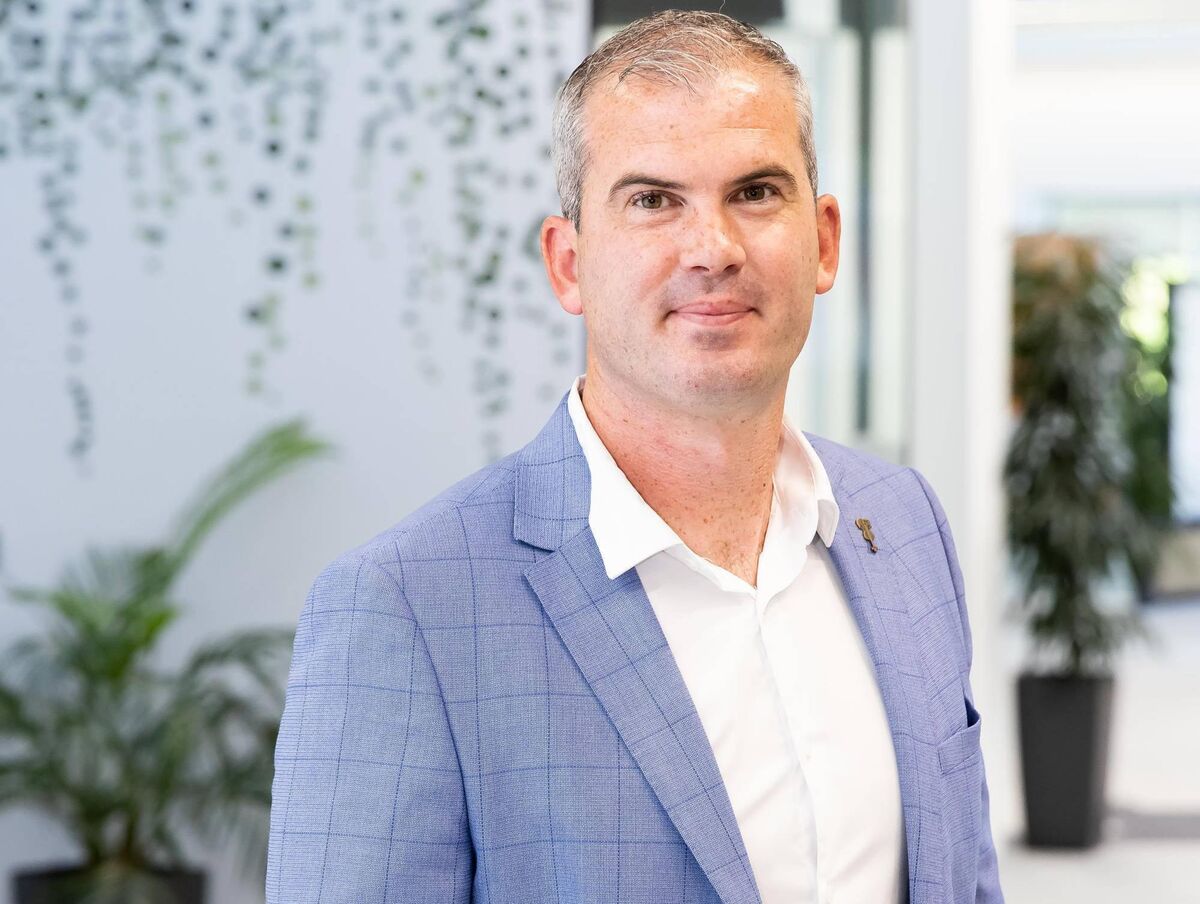
McCarthy cites the example of someone beginning work at 6.30am, getting a couple of hours’ work done before doing a school run, returning to work and then taking time later in the day to run errands or do a school pick-up, before logging on again in the evening to follow up on project work or workplace communications. However, he warns that while it sounds like an attractive concept and a win-win situation for employer and employee, this is not always the case.
“It can work well, but while microshifting gets linked to work-life balance, I think it's questionable whether it actually achieves that. It achieves work-life integration, yes, but I think it's naive to say that it achieves work-life balance,” he says. “Take the example of the person who starts at 6.30am in the morning and does their last piece of work at 10.30pm that night — 16 hours after they punch in. At what stage do they switch off from work?”
The increased risk of burnout in an employee who is trying to do so much in one day can also cause headaches for an employer further down the line.
“A lot of forward-thinking flexible employers will accommodate or facilitate the microshifter if they can, but in a lot of instances, it’s the employer who ends up being punished. I do know of examples where 12 months after an employer agrees to a microshifting style of work, you have the employee handing in their resignation because they're burnt out. Neither the employer or the employee realises at the start that is what is actually happening.”
While there are no statistics available on the gender breakdown of microshifters, McCarthy acknowledges that other data supports the evidence that it is mainly women who bear the burden of caregiving responsibilities and are therefore more likely to seek such an option. He believes that addressing the cost of childcare and providing additional resources in this area would go a long way to helping all parents and caregivers.
Facilitating microshifting for some employees and not others can also lead to issues, says McCarthy.
“It can be harder to manage as it’s more complex and individualised. You can have an employee who it suits to punch in at 9am and out at 5pm, and they are actually achieving work-life balance. But then their gripe is the microshifter who could be missing in the middle of the day when they need them. That can lead to conflict, resentment, jealousy.”
Microshifting also works better for some workplaces more than others, especially in terms of facilitating the needs of clients and customers.
“The question any business or organisation has to ask is ‘who are you serving?’ If your clients and customers expect traditional business hours on a consistent basis, it isn't going to suit those industries,” says McCarthy.
Microshifting tends to go hand-in-hand with remote and hybrid working which has now become a fixture in many companies. McCarthy says it probably works best as a temporary fix.
“I think microshifting is a short-term way of working for someone who needs it for work-life integration. I don’t think it's a long-term answer. If you’re microshifting for years, I would really worry about a burnt-out employee.”
Ultimately, he says the key to navigating microshifting or any form of flexible working is to have clear rules of engagement between employer and employee.
“What's important is you communicate with your workforce, so they understand what accommodations can be made, how reasonable it can be and so on.”
Meanwhile, Kerry-based human resources consultancy firm HR Buddy has expanded its range of services with the introduction of a new AI software tool which aims to free up HR managers from onerous administration tasks and give them more time to deal with daily issues.
The Kerry-based company launched the software, called HR Buddy Manager, in November and expects to roll it out to more than 2,000 companies in Ireland by the end of next year.
“We have been in existence for nine years, we’ve worked with a lot of different software, and we thought it was time to go and develop our own,” says MD Damien McCarthy. “It complements the services that we're already providing in HR and employment law services and our payroll and outsourcing services as well.” Developed with top IT specialists, the all-in-one HR management software uses AI reader to handle several tasks including generation of employee contracts, annual leave, payroll and overtime data, rostering and document storage. It also helps companies in terms of mounting compliance responsibilities, offering assistance in the generation of gender pay gap reports and workplace training.
“It works well for the people who are using it every day. We wanted it to be user-friendly — you don’t need an IT degree. If you're using different software inside in your organisation, it integrates into HR Buddy Manager,” says McCarthy.


CONNECT WITH US TODAY



Be the first to know the latest news and updates