Deciding what apprenticeship to pursue or what course to study when you leave school can be a big deal. Sometimes it’s a bigger deal for the parents than the students.
Sometimes young people feel overwhelmed by the decision-making process, the implications and the effort required. It’s a lot. But it’s good to know that there’s support to be had, and that there’s no shortage of people who spend their working day endeavouring to help young people find their way onto a path that aligns with their values and passions. One that lifts their spirit and makes them happy with the choice they made.

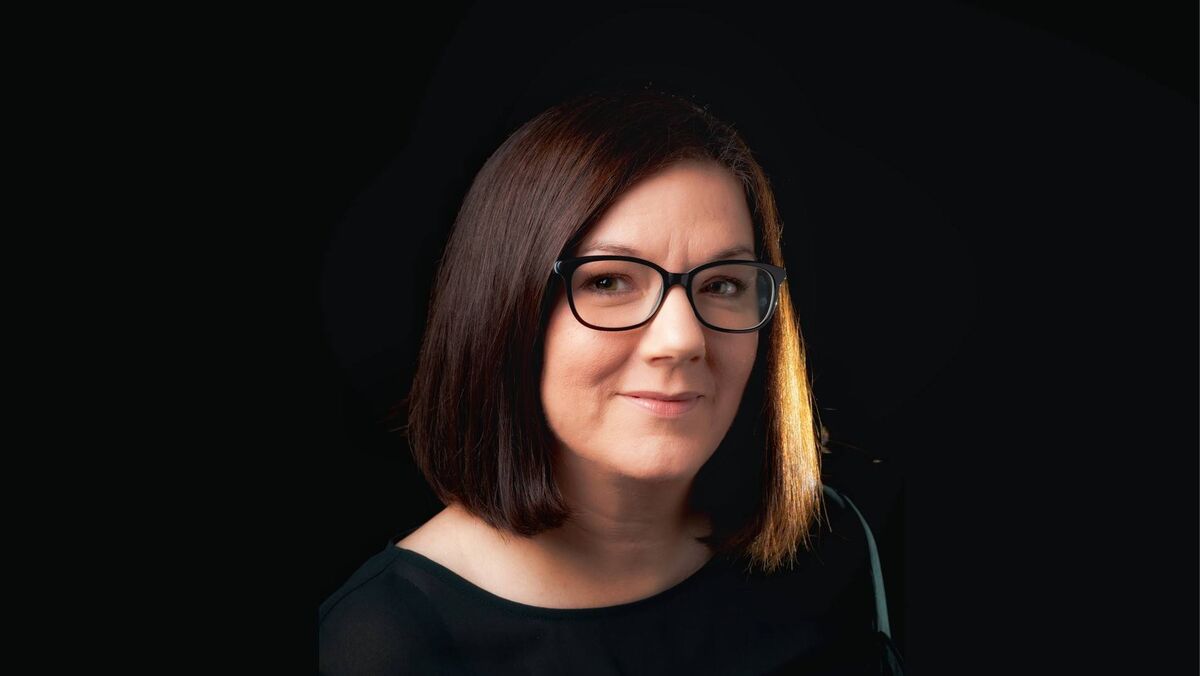
One such professional is Bronagh Starrs. A psychotherapist and an expert in contemporary adolescence, she says young people tend to approach the college application process through one of four ‘choice processes.’
“Expectation is the first,” she says. “This is when their course choice is largely shaped by parental or academic pressure. That might be the family business, or a sense that they are too bright not to do law. Often, ability and achievement become the compass, rather than personal ft.”
Acknowledging that while this decision may feel logical, it may leave the student feeling detached from genuine interest or joy in their subject, she says: “While a degree in creative writing or fine art may be a much better fit and lead to a more personally fulfilling life than a law degree, the adult-world message often whispers otherwise: Don’t waste your points. This is a subtle but powerful pressure that equates worth with academic status rather than personal meaning.”
On status as a driver, she says this tends to emerge from insecurity or uncertainty about identity. “A young person might choose a high-prestige path – surgeon, barrister, actuary - less from passion, than from the promise of wealth or admiration. They may be driven by how the choice looks from the outside rather than how it feels from within.”
Anxiety can also play a role. Starrs says that when it does, it’s more about avoidance than ambition. “They choose what feels safe. This might be about staying close to home, avoiding risk, or prioritising familiarity over growth. Fear of failure or separation can eclipse curiosity, even when opportunities elsewhere might suit them better.

“This might be the case when a Galway student identifies their ‘good-fit course’ in Dublin, but chooses instead a Galway-based course, because they fear leaving home and moving to unfamiliar territory.”
Acknowledging that ‘interest’ is the ‘healthiest’ motivation, she says: This happens when the student’s choice is based on genuine curiosity and engagement. It may or may not please parents or impress peers, but it aligns with the young person’s values and integrity. Choosing from interest reflects a readiness for adulthood, one that says ‘I’m willing to own my path.’”
Many students find during their first year that the course they’re on doesn’t suit them. According to recent Irish research carried out by the Shona Project, almost 90% of girls aged between 12 and 19 struggle with anxiety and worry, with 89 per cent admitting that nobody knows they are impacted in that way. When the findings were published, CEO, Tammy Darcy, said of the education system: “It’s a meritocracy. You need these points to get here, and this is where you sit on the hierarchy. It’s constant pressure all of the time.”

Nobody would deny the intensity of the decision-making process. Starrs says anxious teens can find it ‘almost paralysing.’ “For them, the whole college application process can feel overwhelming,” she says, “with every choice weighted with anxiety about getting it ‘wrong.’”
This response is in stark contrast with the behaviour she links with ‘impulsive adolescents.’ Those, she describes as ‘bright, capable, but not especially academically inclined.’ “They are drawn to where the fun is, picking a course because it sounds lively or simply because they can’t think of anything else to do,” she says. “For them, little thought goes into the long-term picture; it’s more about momentum than direction.”
As for students who tend to be’ measured and self-aware,’ Starrs says they approach the decision with a blend of courage, curiosity, and quiet faith in themselves, trusting that whatever happens, they’ll find their way. “Of course,” she adds, “hovering over all of this is the influence of the parent’s personality. That can shape the tone of the whole process more than anyone realises.”
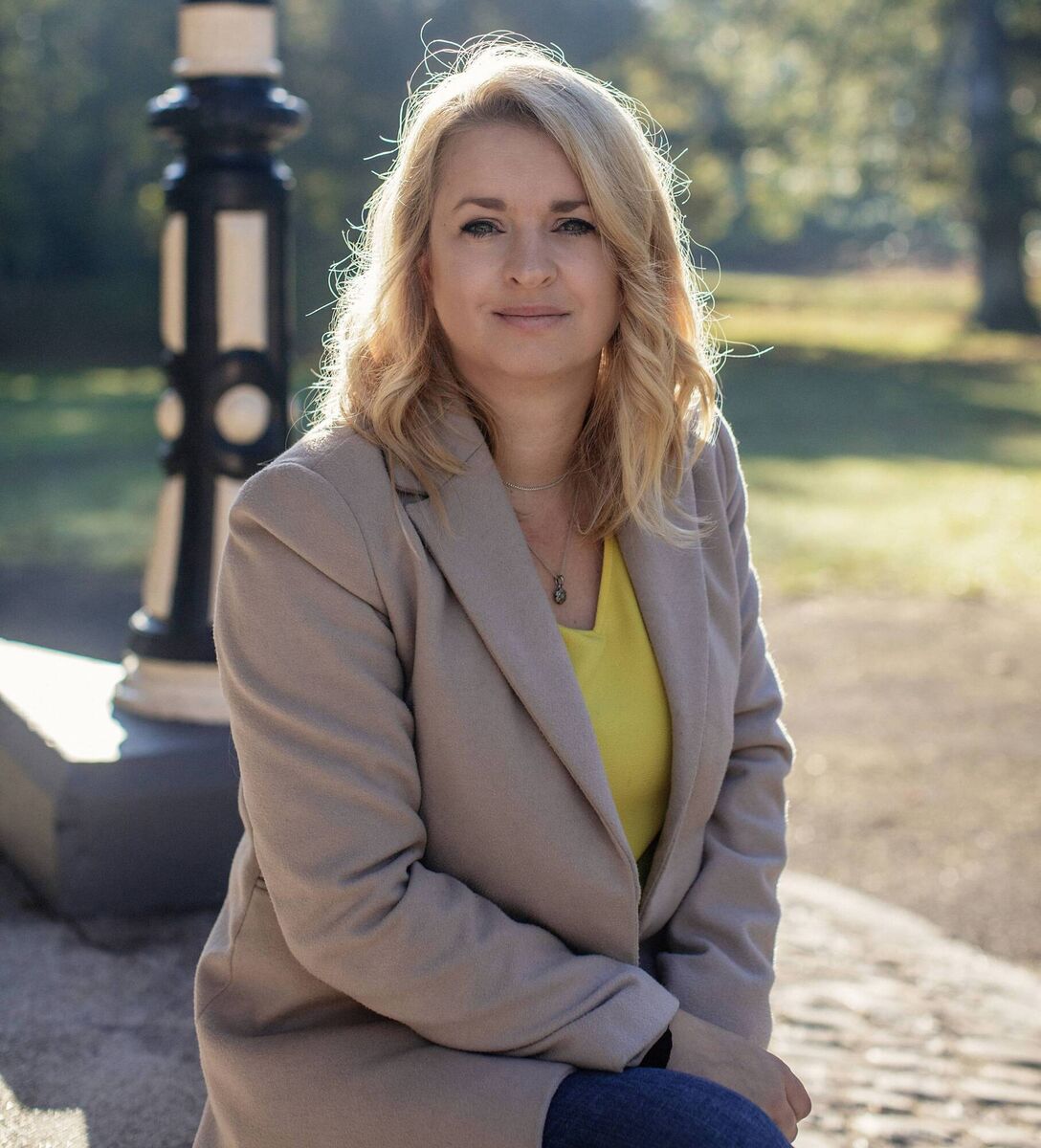
For Caoimhe O’Grady Tegart, founder of The Confidence Clinic, a stated mission is to empower young people to live happier, more confident lives. “As a society we should strive to help young people find their talents, passions and interests,” she says. “It should not be a privilege to study something in which you have an interest or a passion.”

Of her work, she says: “I always try to help young people figure out what excites them, what subjects they’re good at, and which parts of a course make them think, ‘I’d like to learn more about that.’
“When you love a topic or you have an area of interest, you are aligned with what you are meant to do. When that happens, it’s easy to learn, study is not a drag and exams are not difficult. The struggle comes when we chase the money, listen to others, or choose the courses which lead to a well paid or secure role, while failing to follow our heart.”
According to the latest data from the Higher Education Authority, the non progression rate to second year was 15% in 2021/22, representing a 3% increase on the previous year. The statistic is indicative of the reality that lots of youngsters change path as they navigate their journey into their career future.
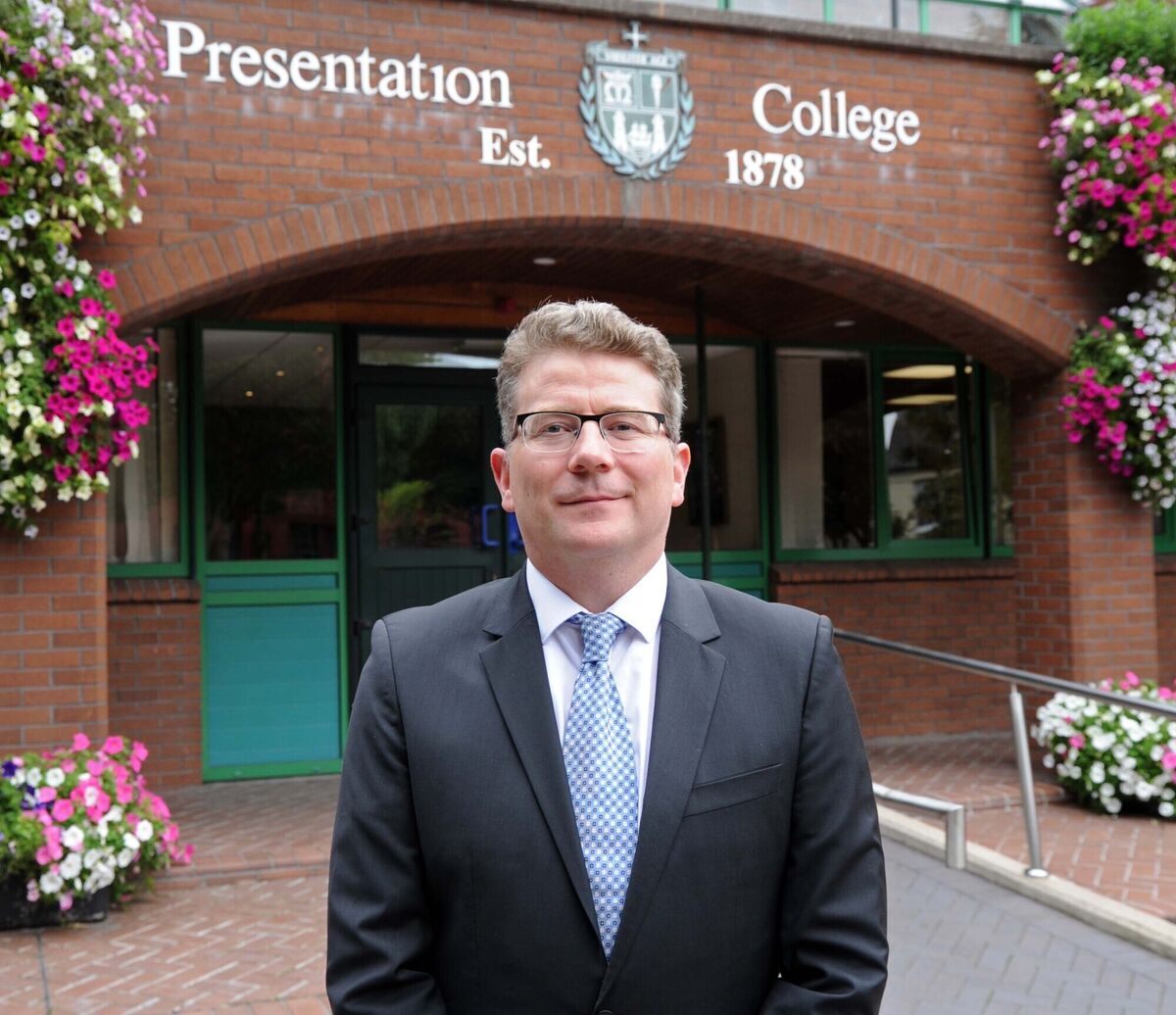
David Barry, principal at Presentation Brothers College, says that at Markyke, they see CAO course choice as part of a three year journey in senior cycle. “As pupils move from the Junior Cycle into Transition Year they choose new option subjects.”
These ‘option lines’ are, he says, created from the pupils’ choice. “No student is forced into doing a subject they are not interested in,” he says. “We believe this gives them the best opportunity possible to learn in a positive classroom environment. They can choose again for the second half of the year if their original choices haven’t suited them.”

Acknowledging the importance of career talks and guidance, along with guest speaker visits and weekly career lessons, for Transition Year students, he says more frequent appointments with the school’s guidance department gives students the confidence to begin to make the right decisions for the coming year.
He says that one-on-one appointments between students and this department continue throughout 6th year, to ensure ‘the career choice on the CAO is the right one for the individual pupil.’
“Communication with parents through this process is critical,” he says, “as support from home can bring great confidence to the pupil as they know their choice is the right one for them.”
Noting that PBC takes a long-term holistic approach, Barry adds: “Being realistic in expectations in terms of choice is important.”
Former PBC student Cillian Murphy studied law before changing course. That he found his way resulted in his winning an Academy Award. Another great Corkman, Graham Norton, studied English and French at college and never finished his course. These days The Graham Norton Show pulls in close to three million viewers per episode.
O’Grady Tegart believes that for those who are not ‘pulled into something that aligns with them,’ life can become difficult. “I say follow your heart and your passion,” she says. “Do that and the rest will fall into place.”
CONNECT WITH US TODAY
Be the first to know the latest news and updates