Diversified finance key to meeting revised housing targets – BPFI
In the second quarter, mortgage approvals rose by 8.5% to 14,626 and drawdowns increased by 9.6% to 10,978.
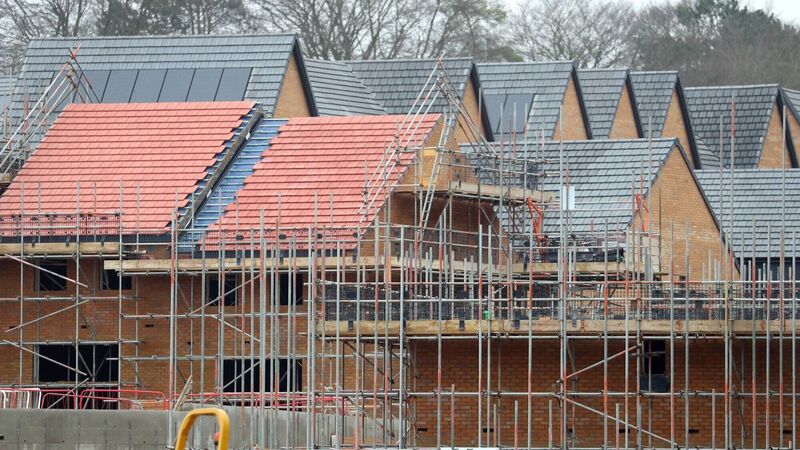
Residential construction activity picked up in the second quarter, with housing completions increasing by 35% on the same quarter in 2024.
However, the number of new housing construction starts has fallen, underlining the struggle to meet targets to resolve the critical housing shortage.
The latest Housing Market Monitor, published today by Banking & Payments Federation Ireland (BPFI), shows the total number of units completed in the first half of 2025 was 15,149, a 20% increase from the same period in 2024.
Ali Ugur, BPFI Chief Economist, said most of this increase was accounted for by apartment completions, which more than doubled in the second quarter of the year. "Seasonally, completion activity in the second half of the year is expected to be higher than the first half, and we expect a significant increase in the total number of completions during the second half of 2025.”
“However, looking ahead, just 7,384 units were commenced in the first seven months of 2025, well below the levels seen prior to 2024, and less than half the number of units commenced during the same period between 2021-2023," he said.
"While there were just over 40,000 units commenced in the 12 months to July 2025, these figures were skewed due to a significant portion of commencements being front-loaded in September and December of last year, ahead of the expiry of housing-related policy initiatives including waivers on the development levy and water connections charges.”
The banking representative body said their own data shows housing and mortgage demand continue to increase, driven by significant growth in population, employment and average earnings. In the second quarter, mortgage approvals rose by 8.5% to 14,626 and drawdowns increased by 9.6% to 10,978.
However, they said diversified finance options are needed for Approved Housing Bodies (AHBs) and local authorities, to deliver more social and affordable housing, and meet the revised government housing targets of 50,000 homes a year. The BPFI said 25% of new property purchases last year were made by public authorities, such as AHBs and local councils, while just over 3,000 units were built by local authorities in the same period.
“Currently, the State provides funding for all social and affordable housing projects but if we want to increase housing output in the short term, AHBs and local authorities will need to diversify their funding resources for social and affordable housing," Mr Ugur said. "A circular issued by the Department of Housing in 2023, made local authority funding to AHBs conditional on debt finance being provided at an interest rate that matches, or is lower than, that of the Housing Finance Agency (HFA). As the HFA is supported by European Investment Bank funding, it can charge a lower rate than regulated commercial banks, which are exposed to market rates. This has effectively blocked commercial banks and alternate private-sector firms from lending to AHBs."
"The wider AHB sector will continue to find it challenging to attract international finance partners through debt capital markets, which is common in other European jurisdictions, without the participation of domestic bank lenders who can lead on underwriting and due diligence.”
CONNECT WITH US TODAY



Be the first to know the latest news and updates