Intel investors can’t catch a break
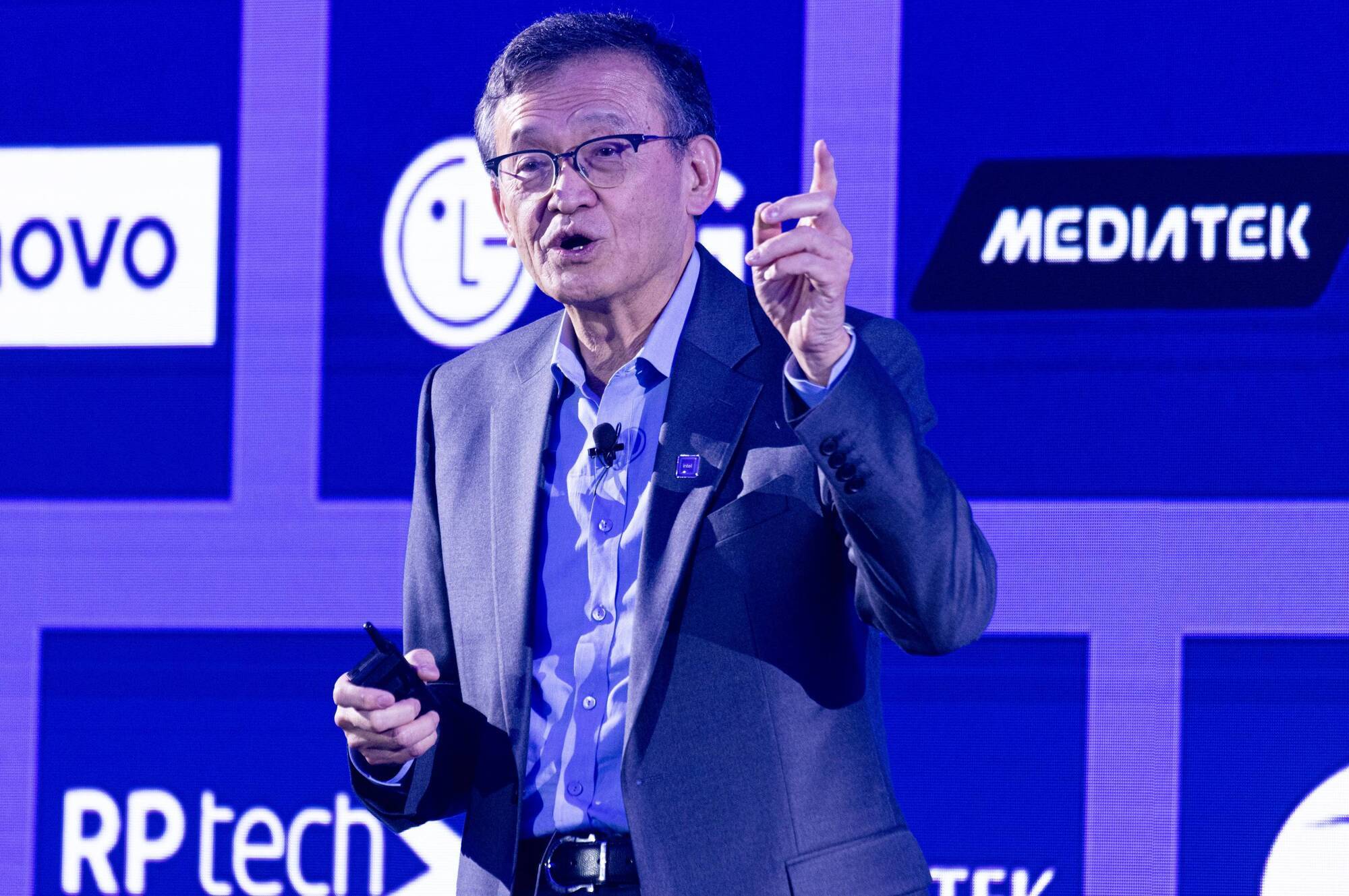
Lip-Bu Tan, chief executive officer of Intel Corporation, during a news conference in Taipei, Taiwan, on Monday, May 19, 2025.
Lip-Bu Tan was hired earlier this year to lead the struggling chipmaker out of its years-long morass, drawing applause from Wall Street and sending the stock price climbing. But just five months into his tenure as Intel’s chief executive officer, he’s drawing the ire of US President Donald Trump, who called for Tan’s resignation on Thursday due to what he called conflicts of interest.
In response, Tan said he’s got the full backing of the company’s board and has reached out to the White House to clear up what he called “misinformation” about his track record, he said in a letter to staff posted on Intel’s website.
“I fully share the President’s commitment to advancing US national and economic security,” he told employees. “We are engaging with the Administration to address the matters that have been raised and ensure they have the facts.” On Thursday, Trump posted a call on Truth Social for Tan to resign over what he called conflicts of interest, injecting fresh turmoil at a company already struggling to stem losses and eke out relevance in the artificial intelligence age.
The post came after Republican Senator Tom Cotton asked the chairman of Intel’s board this week to answer questions about Tan’s ties to China, including investments in the country’s semiconductor companies and others with connections to its military.
“There has been a lot of misinformation circulating about my past roles at Walden International and Cadence Design Systems,” Tan wrote.
“I want to be absolutely clear: Over 40+ years in the industry, I’ve built relationships around the world and across our diverse ecosystem – and I have always operated within the highest legal and ethical standards.”
While Trump offered no evidence to support his accusation, the attack casts fresh doubt on Tan’s turnaround effort focused on targeted product development, cost cuts and asset sales that shareholders have embraced after years of disappointments.
“Things like this make the road going forward a little more steep,” said Tim Ghriskey, senior portfolio strategist at Ingalls & Snyder. “There’s been a lot of bad luck, one thing after another.”
Intel’s shares fell just 3.1% on Thursday following Trump’s comments, before rising in premarket trade Friday — a sign that investors aren’t anticipating Tan will be leaving Intel anytime soon.
Intel and Tan are “deeply committed to advancing US national and economic security interests and are making significant investments aligned with the president’s America First agenda,” the company said in a statement released late Thursday.
Still, the president has shown that he’s willing to push companies to bend to his will. Just this week Apple Inc. committed $100 billion for domestic manufacturing in another bid to appease Trump, who for months has rebuked the iPhone maker over the overseas production of its devices.
The move appears to be working for Apple investors. In comments from the Oval Office on Wednesday, Trump, flanked by CEO Tim Cook, said companies like Apple that are investing in the US will be exempt from his sweeping tariffs. Apple shares have rallied more than 8% in the last two days, the most since April.
Intel, on the other hand, finds itself in an uncomfortable position. While Tan’s appointment in March sparked a 25% rally in the days following the announcement, that euphoria quickly faded. The stock is on track for back-to-back annual declines, something that hasn’t happened in at least 40 years, according to data compiled by Bloomberg.
Investors looking to Intel’s second-quarter earnings last month for updates on the path to profitability were left with more questions. Tan’s comments on the earnings call criticizing investments initiated by his predecessor, Pat Gelsinger, raised concerns that he’s more focused on reducing costs than developing cutting-edge products to compete with rivals Nvidia Corp. and Advanced Micro Devices Inc.
A key part of Gelsinger’s plan for Intel to make chips for outside customers was moving toward a more advanced production technique called 14A. But on the earnings call, Tan signaled that Intel will only roll out that technology when he’s convinced enough customers are committed to using it.
Trump’s involvement is a distraction for Intel when the company has so many important issues to focus on, according to Dave Mazza, chief executive officer at Roundhill Investments.
“Investors were already skittish after their recent gloomy outlook sent the stock lower, so swapping CEOs now would only deepen the uncertainty around a turnaround that’s still in its early innings.”
Bloomberg
CONNECT WITH US TODAY



Be the first to know the latest news and updates