Bulgaria gets go-ahead to switch to euro currency next year
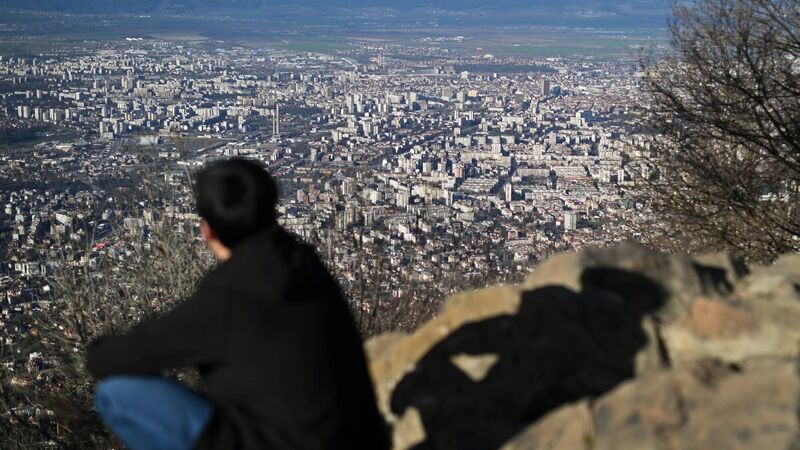
Successive governments in Sofia have argued the move will help raise living standards in the EU's poorest member state. Picture: Oliver Bunic/Bloomberg
Bulgaria is set to become the 21st member of the eurozone next year, after European Union finance ministers signed off on its bid on Tuesday.
Taking up the European single currency is the culmination of nearly two decades of work toward adoption, an ambition since Bulgaria joined the EU in 2007.
The eurozone will recruit a new member as European Central Bank president Christine Lagarde raises the issue of the currency’s global profile, with US trade policy diminishing the standing of the dollar.
Successive governments in Sofia have argued the move will help raise living standards in the EU’s poorest member state.
Still, Bulgarians are increasingly divided on ditching the lev and the prospect of rising prices. Thousands protested the decision last week, with one arrest after clashes with police on Friday.
The ECB and the European Commission, the bloc’s executive arm, confirmed last month the Balkan nation met the formal requirements to join. On Tuesday, the European Parliament approved Bulgaria’s bid to join, and the EU finance ministers approved the final legal acts unanimously.
They also approved the exchange rate under which Bulgaria will manage its currency switch, which corresponds to the existing lev-euro peg.
“This marks the culmination of a thorough process towards Bulgaria’s accession, comprising rigorous analysis and intensive preparation,” said Danish economic affairs Minister Stephanie Lose in a statement after the finance ministers’ meeting, calling Bulgaria’s successful bid “a tremendous achievement”.
Bulgaria would be the second country to adopt the euro in the past decade and one of only a handful to do so since the euro crisis threatened to bring down the currency zone. The last member to join was Croatia in 2023.
As part of their accession treaties, all EU members are bound to adopt the euro once meeting the criteria. However, other EU nations, including Poland, the Czech Republic and Hungary have been less eager to join, opting instead to retain monetary sovereignty.
The switch will put an end to the country’s currency board arrangement that nearly three decades ago fixed the Bulgarian lev to the deutsche mark and later the euro. The board, which effectively put a halt to Bulgaria’s independent monetary policy, was designed to end hyperinflation and debt turmoil that ensued as Bulgaria transitioned from Soviet-style regulation to a market economy in the 1990s.
Now Bulgaria’s central bank governor, Dimitar Radev, will become a member of the ECB’s rate-setting Governing Council, regaining some control over monetary policy.


CONNECT WITH US TODAY



Be the first to know the latest news and updates