'Rock-bottom' fishermen urge government to renegotiate Common Fisheries Policy in wake of EU-UK reset deal
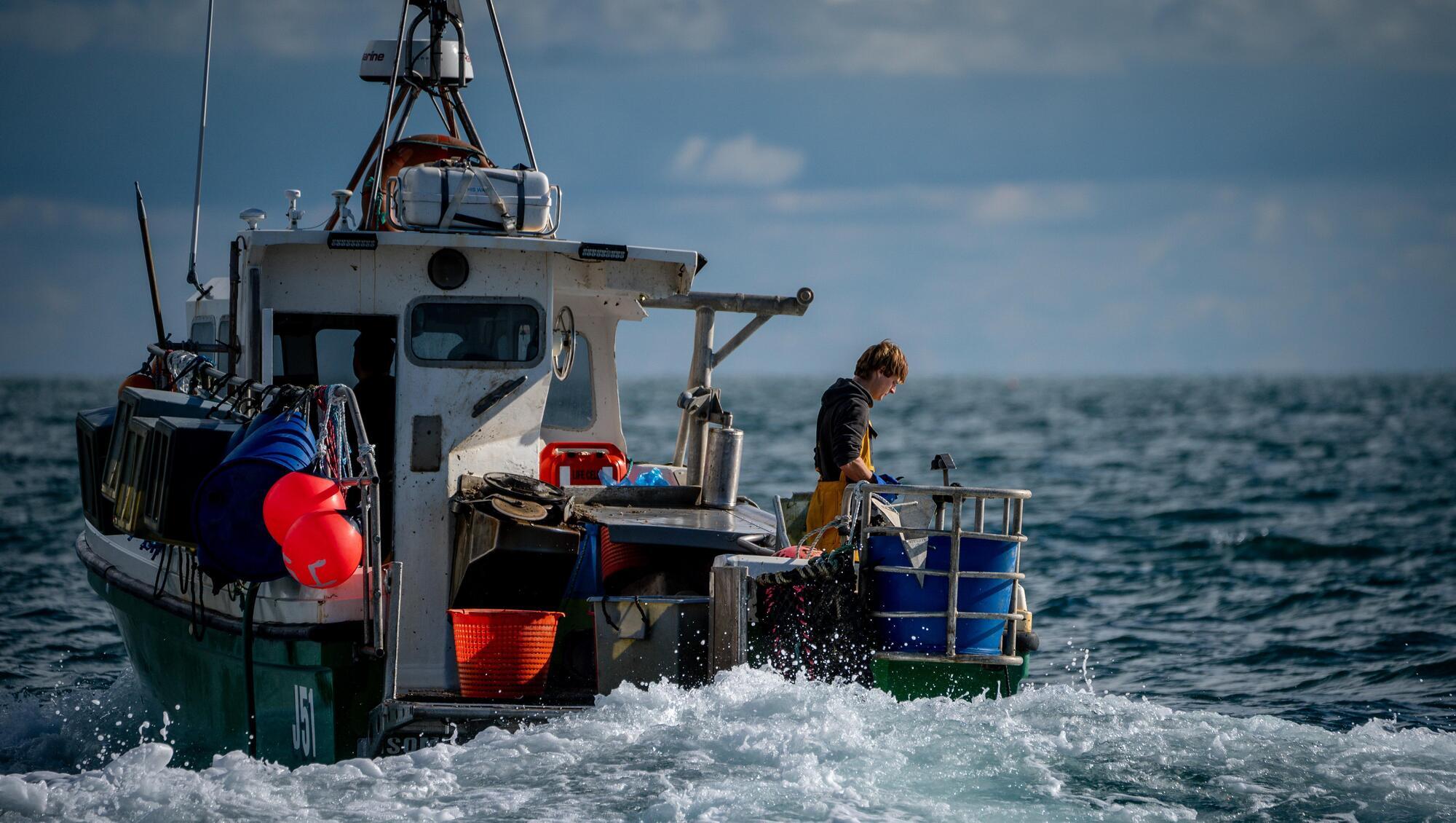
The chief executive of the Irish South and West Fish Producers’ Organisation, Patrick Murphy warned that without changes to the EU’s Common Fisheries Policy, the deal “doesn’t bode well for the future of Ireland’s fishing industry”.
The Government has been urged to begin renegotiating the Commons Fisheries Policy (CFP) in the wake of EU agreement with the UK on a reset trade deal.
British prime minister Keir Starmer met European Commission president Ursula von der Leyen and European Council president Antonio Costa at a summit in Lancaster House, London, yesterday to seal the deal, which covers areas including trade, education, energy, security, and defence partnerships.
The deal will see a 12-year extension of fishing arrangements when the current deal ends, allowing European vessels to operate in UK waters under the same terms until 2038.
"We are turning a page. We are opening a new chapter in our unique relationship,” Ms von der Leyen said.
However the chief executive of the Irish South and West Fish Producers’ Organisation, Patrick Murphy warned that without changes to the EU’s Common Fisheries Policy, the deal “doesn’t bode well for the future of Ireland’s fishing industry”.
Mr Murphy said that Irish fishermen sacrificed 40% of fishing opportunities to the UK as part of the original Brexit deal. “This devastated our fleet to the tune of 25% of our income in key stocks in mackerel and nephrops (Dublin Bay prawns). The solution we were offered was to scrap a quarter of our fleet in response, and the fishing rights went with the boats. We have gone from 400 vessels to 140 in the past two decades and are struggling to survive, with no new entrants coming into the industry.
"Our prediction is if there is no rebalancing of the overpayment that Ireland made, we could see our fleet further reduced. The only benefit we see in this deal is there are 12 years of stability - once we reach rock bottom, it can't get worse.”
Mr Murphy said the Common Fisheries Policy, first set up 50 years ago, is no longer fit for purpose, leaving the industry “frozen”, while some traditional fish stocks are reducing due to climate change, with no alternatives being made available.
He said minister of state at the department of agriculture, food and the marine with special responsibility for fisheries, Timmy Dooley, has engaged positively with sector representatives and urged Government to now push Europe to renegotiate to save the industry in Ireland.
Fisheries cover just one element of the deal signed in London on Monday. Other measures covered in the UK-EU deal include:
- An open-ended new sanitary and phytosanitary (SPS) agreement to slash red tape on food and drink exports and imports between the UK and EU.
- Some routine checks on plant and animal products will be removed completely.
- Linking UK and EU emissions-trading schemes which will mean British firms will not be hit by Brussels' carbon tax next year.
- A security and defence partnership will pave the way for UK arms firms to bid for work under the EU's proposed new €178bn security action for Europe (Safe) fund.
- The UK and EU have agreed to co-operate on a "youth experience scheme", while there is also a commitment to work towards the UK associating with the Erasmus+ student exchange programme.
- British steel exports will be protected from new EU rules and restrictive tariffs.
The deal requires "dynamic alignment" - the UK following rules set by Brussels - in areas covering the SPS deal, emissions trading and potential cooperation in the electricity market.
Speaking after the summit, Ian Talbot, International Chamber of Commerce Ireland and Chambers Ireland chief executive said it provides the foundation for greater cooperation. “Global rules-based trade has been vital in the development of the Irish economy. In an environment where such trade is under threat this agreement is very positive news.
"The UK is our largest external market and a more collaborative relationship will help strengthen our economic ties. It’s important that we maintain this momentum, address the remaining challenges around trade and regulatory alignment, and focus on the other important matters within our collective control. For example, this includes linking the EU and UK emission trading schemes without delay. An agreement would significantly improve market stability, cut carbon costs and help avoid trade barriers in advance of the carbon border adjustment mechanism applying next year.
"We also welcome the move toward an SPS Agreement that will maintain regulatory alignment on food standards. This would remove and limit border checks for agrifood products destined for the UK market and greatly reduce friction for exporters and should also be used to further the aim of increased digitalisation in trade generally.”
Additional reporting by PA

CONNECT WITH US TODAY



Be the first to know the latest news and updates