European Central Bank cuts interest rates as Lagarde warns trade tensions will dampen growth
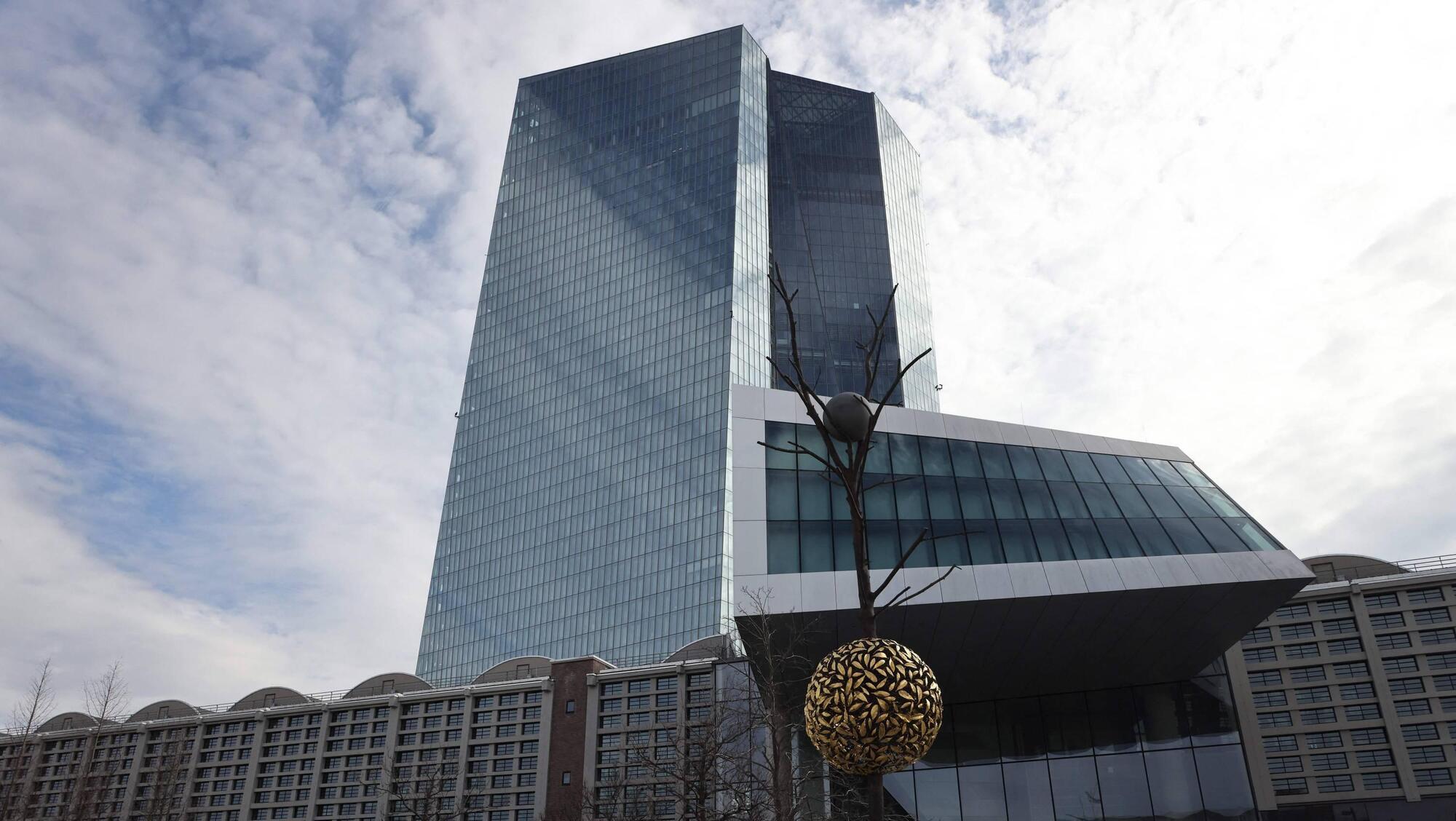
The ECB's deposit rate now stands at 2.25% following the regulator's latest reduction of 0.25%. (Photo by Daniel ROLAND / AFP) (Photo by DANIEL ROLAND/AFP via Getty Images)
The European Central Bank (ECB) has cut interest rates for the seventh time since summer 2024 as policymakers react to the threat of major levies being placed on European exports by US President Donald Trump.
Following a unanimous decision by the Governing Council, the ECB's deposit rate now stands at 2.25% following the regulator's latest reduction of 0.25%.
"The disinflation process is well on track," the ECB said on Thursday.
"Inflation has continued to develop as staff expected, with both headline and core inflation declining in March. Services inflation has also eased markedly over recent months."
While initial forecasts suggested the ECB would pause its monetary easing campaign as inflation moderates, Mr Trump's unveiling of significant tariffs on goods entering the country made today's decision almost a guarantee, with fears that major trade levies could hinder economic expansion and stoke inflation.
While Mr Trump has paused most tariffs for now, many remain in place, with volatility in financial markets already doing damage to the 20-nation euro area.
"The euro area economy has been building up some resilience against global shocks, but the outlook for growth has deteriorated owing to rising trade tensions," ECB President Christine Lagarde said on Thursday.
"Increased uncertainty is likely to reduce confidence among households and firms, and the adverse and volatile market response to the trade tensions is likely to have a tightening impact on financing conditions.
"These factors may further weigh on the economic outlook for the euro area."
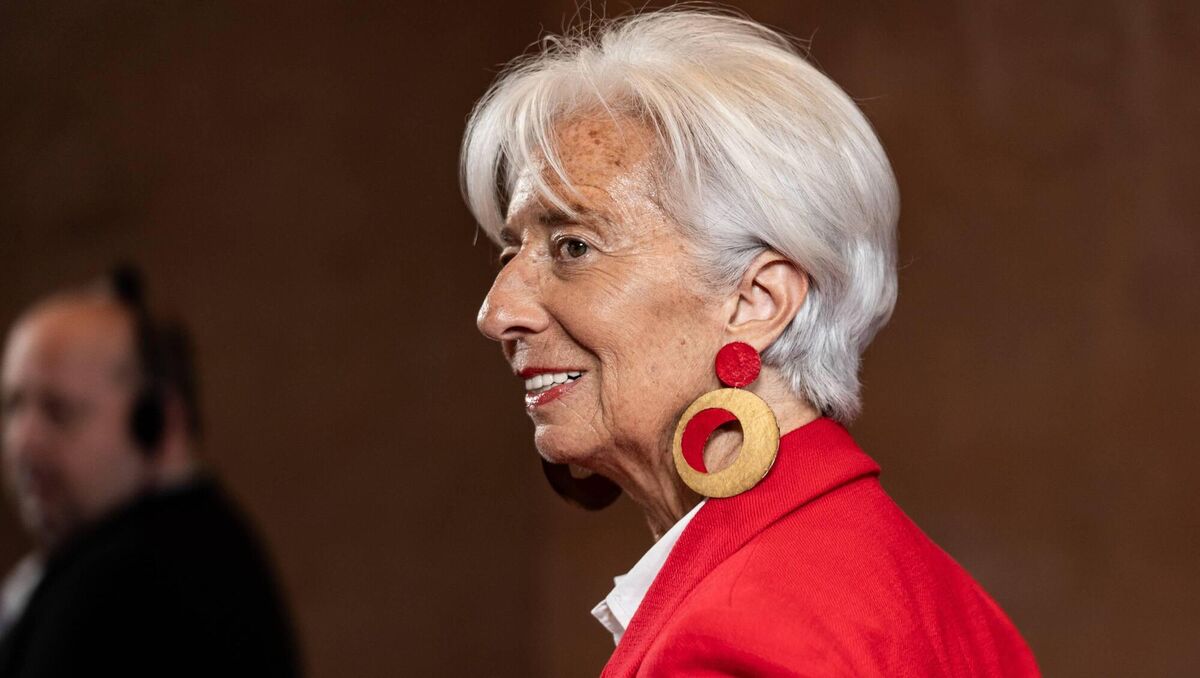
Speaking at the ECB's press conference, Ms Lagarde added: “The major escalation in global trade tensions and associated uncertainties will likely lower euro-area growth by dampening exports, and it may drag down investment and consumption.
"Deteriorating financial-market sentiment could lead to tighter financing conditions.”
The ECB earlier estimated that growth across the eurozone could fall by 0.5% if tariffs are imposed, erasing about half the bloc's expected expansion.
That estimate could still prove too optimistic if Mr Trump reverts to bigger trade barriers or if the European Union retaliates against his punitive measures.
However, some have argued that the turmoil caused by erratic trade policy from the US could also weigh on prices and help the ECB get inflation back to target quicker.
Latest figures from Eurostat this week show inflation across the 20-nation euro area fell to 2.2% in March, down from 2.3% in the previous month, with Ireland having one of the lowest inflation figures in the region.
"The latest quarter-point reduction means tracker mortgages will be priced down to 2.4%," Daragh Cassidy of Bonkers.ie told the
"Markets seem convinced that the ECB will slash rates several more times over the rest of the year, potentially taking the key rate down to 1.5% or less. But if inflation begins to creep back up, that may be more difficult to do."
Meanwhile, Michael Dowling, managing director of Dowling Financial, noted: "With the uncertainty in the markets following Donald Trump’s so-called 'Liberation Day' tariff announcements, I predict further interest rate cuts, which will be faster than expected earlier in the year.
"Four more decreases are likely, and the benchmark rate for Tracker mortgage holders will fall to 1.65% by September.
Mr Dowling also noted that tracker mortgage holders will see a reduction of €13 per month for every €100,000 owed, which is welcome news to around 126,000 customers.
"I do not expect any reduction in variable rates from the mainstream lenders," Mr Dowling added.
However, what is good news for mortgage holders may be less positive for savers, with Mr Cassidy noting that further deductions in ECB rates mean savings and deposit rates are likely to fall further.

CONNECT WITH US TODAY



Be the first to know the latest news and updates