Fraudsters took us for €100m last year and those going abroad on holidays are most at risk
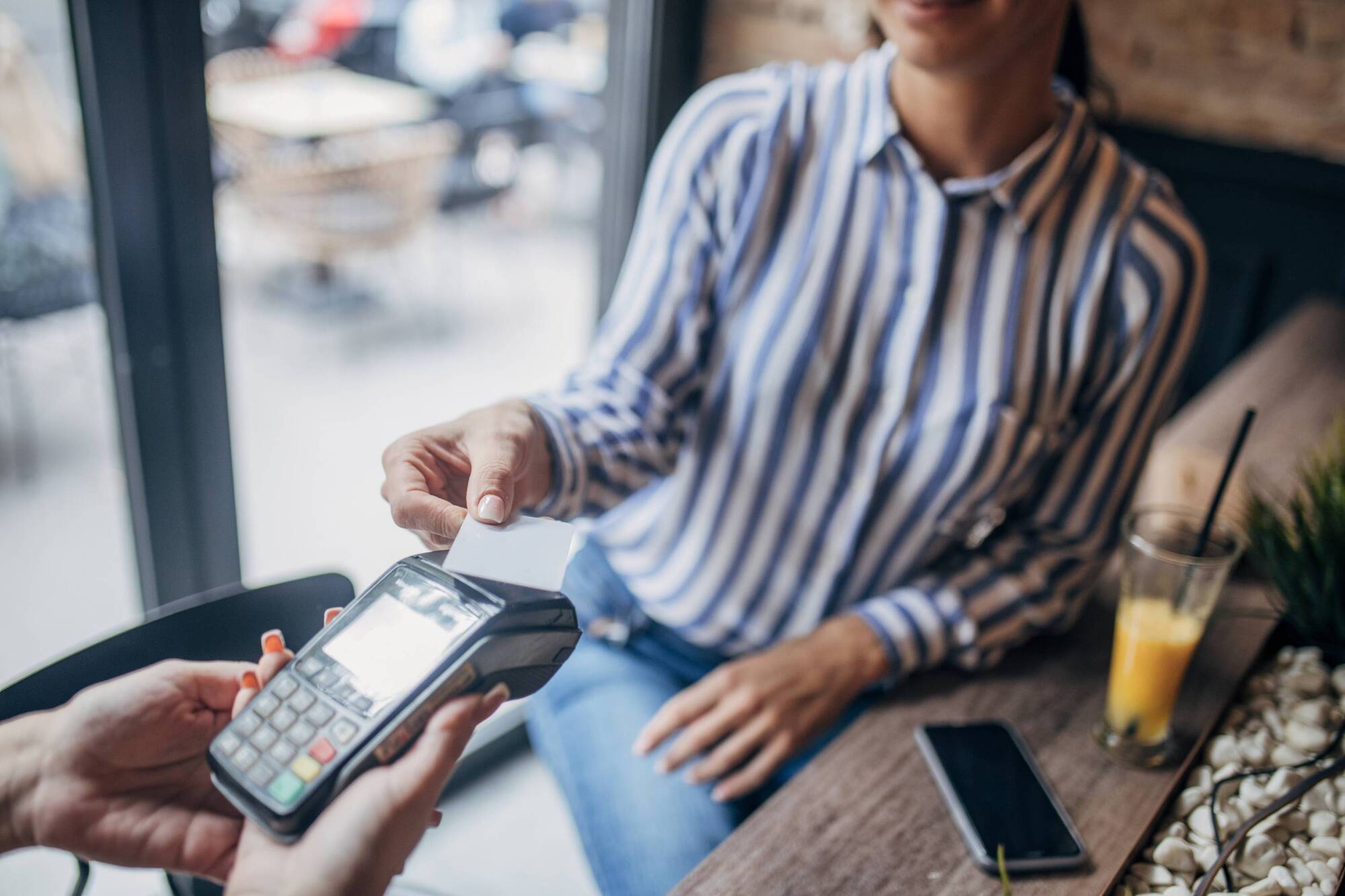
Card fraud accounted for 95% of fraudulent transactions and 36% (€35.2m) of gross fraud losses in 2023.
Fraudsters stole almost €100m through frauds and scams in 2023, an increase of over 16% on 2022. That’s according to a new report from FraudSMART, the fraud awareness initiative led by the Banking & Payments Federation.
Experts are now warning holidaymakers to be extra vigilant with their credit and debit cards when booking flights and accommodation over the summer season. Card fraud accounted for 95% of fraudulent transactions and 36% (€35.2m) of gross fraud losses in 2023.
Brandon, a culinary arts student from Shankill in Co. Dublin, is one of the real stories hidden in those statistics. When his card was declined, he couldn’t understand it.
He knew he had money in his account, so he tried again, but again, the transaction would not go through. So he checked his balance and discovered that €260 had been taken out of the account. €110 went to a Spanish book website and the rest of it went in a series of other online card transactions.
Because he acted quickly, Brandon managed to get €210 of this money back. More worryingly, he has no idea how this fraud happened. He suspects one person sent details to other people, who then used the card. Within two hours of its use in Spain, it was used in Florida.
In terms of where he slipped up, he thinks he may have used a risky website and not paid enough attention to signs that could have alerted him to its intentions.
Brandon is now more cautious about what he does with his card and card numbers. He also only uses specific ATMs which he knows are monitored closely.
Despite the fact that fraud is rampant, there’s no sign of any slowdown in card usage. The Central Bank reports a 28.8% increase in debit and credit card payments in 2023. In contrast, fraudulent card payments increased by 8.2%.
The FraudSMART report found that other types of fraud had lower volumes but higher average losses. In other words, they didn’t happen quite as often, but when they did, people lost a great deal of money.
For example, unauthorised electronic transfers accounted for only 3% of the volume but 34% (€33.8m) of losses. This type of fraud occurs when someone makes a payment through mobile or online banking without the account holder’s authorisation or permission, often called ‘account takeover’. It usually results from the loss or theft of sensitive payment data such as a victim’s account number or PIN.
Additionally, the report shows that consumers and businesses were scammed out of €18.1m through authorised push payment (APP) fraud. This occurs when a fraudster tricks a consumer into sending money directly to an account controlled by the criminal, for example through an investment or romance scam.
In another version, a scammer might call you claiming to be from your bank, and telling you that you need to move your money to a ‘safe account’. In reality, you’ll be gifting a fraudster your hard-earned cash.
While APP fraud makes up just 1% of fraudulent transactions, it makes up 18% of losses, which means that while it’s not as widespread as other forms of fraud, when people get caught, they get caught badly.
Moreover, it’s on the rise. The report tells us that cases of APP fraud rose by 42.5% between 2022 and 2023, while losses themselves rose by a whopping 82.2%.
FraudSMART is warning holidaymakers to be extra vigilant over the summer period — at home and abroad. Many of us tend to use debit and credit cards more frequently for booking travel or accommodation, as well as other holiday-related purchases.
Forewarned is forearmed. Get to know the kinds of fraud that are being perpetrated and familiarise yourself with the simple steps you can take to prevent falling victim.
Niamh Davenport is Head of Financial Crime at BPFI. She points out that these figures are a timely reminder to be on alert for what can go wrong when you start moving money around.
“We can all be at risk of being enticed by ‘unbelievable’ holiday deals and letting down our guard when out of our regular routines and environments. While it is important to recognise that cards remain one of the safest forms of payment, as they come with extensive fraud protections and offer many conveniences especially when planning holidays and travelling, fraudsters are increasingly targeting consumers using complex and deceptive methods.”

Ms Davenport is also urging holidaymakers to watch out for copycat websites offering holiday accommodation, and packages which closely mimic a legitimate site or well-known company brand, but may have subtle differences in the website name and often have spelling errors.
“These sites aim to steal your card details and personal information for fraudulent activities.
"Also, be alert for fake emails and social media ads offering holiday deals which appear to be offering bargain prices but are in reality too good to be true. When paying in person, never let your card out of sight, and don’t share or write down your card PIN.
"If you think you have fallen victim to fraud, report it to your bank and the Gardaí immediately.”
• Book through reputable sources and always use trusted and well-known booking websites or travel agents.
• Be wary of unsolicited emails or social media ads offering cheap holiday deals. Verify the authenticity of special offers by visiting the official website of the travel company directly rather than clicking on links in emails or ads.
• Avoid making payments through bank transfers as these are harder to trace and recover.
• Do not use unsecured or public Wi-Fi networks when making payments — switch to 3G/4G on your phone if necessary.
• Keep a record of your purchase, print or save a copy of your order.
• Keep your computer’s security up to date with reliable antivirus and browser software.
• Keep your card in your sights and protect your PIN — never share or write down your PIN details.
CONNECT WITH US TODAY



Be the first to know the latest news and updates