Ciarán Nugent: Wage rises have not been enough to recoup the cost of living increases for many
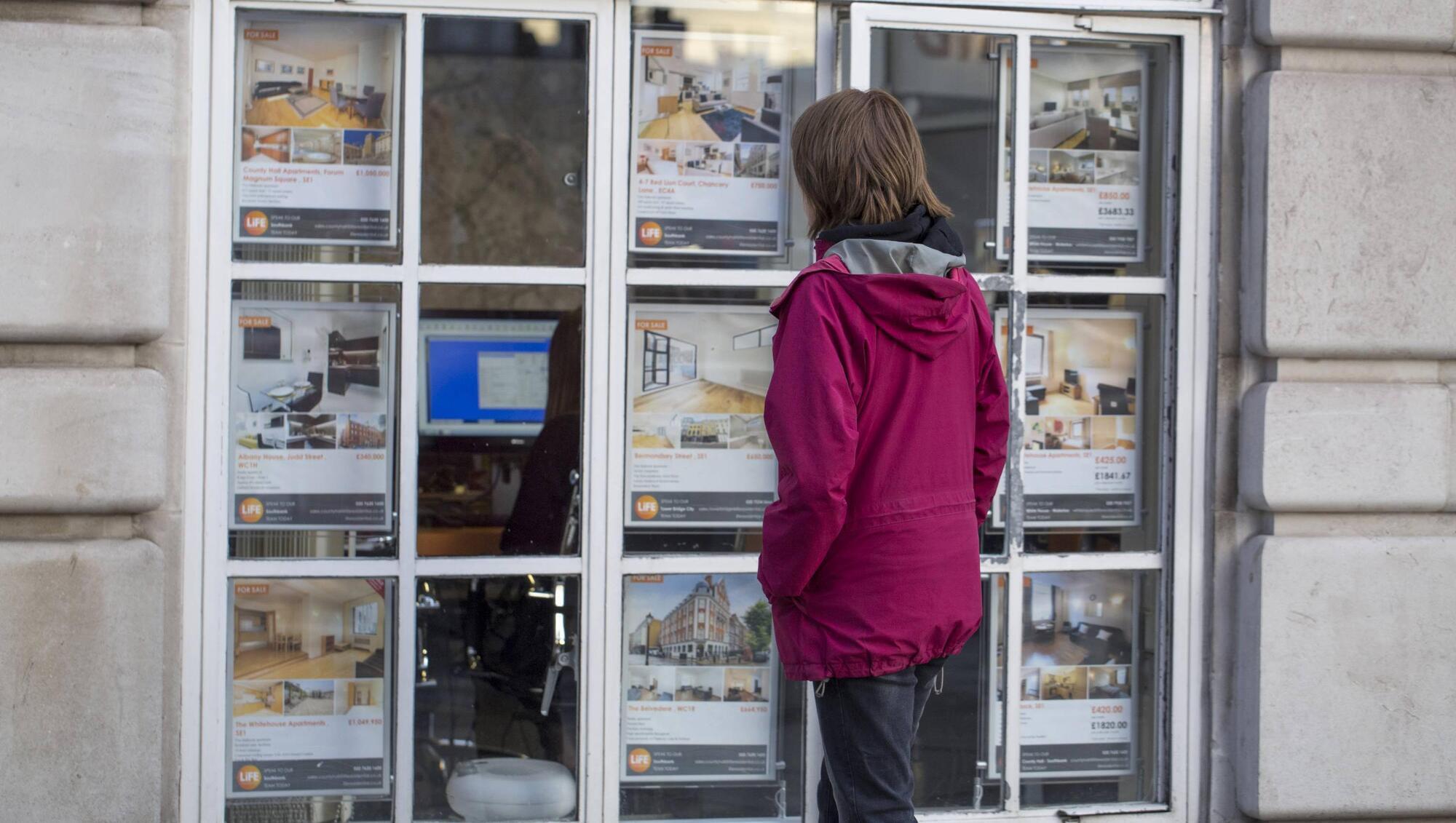
The share of market income going to top fifth of households in Ireland, is almost 13 times that of the bottom.
Ciarán Nugent: Wage rises have not been enough to recoup the cost of living increases for many

House prices and rent continue to rise and the gap in living standards between owners and the rest widens.

The latest figures show inflation has fallen to 2.8% and continues on a downward trend following an unprecedented year of rapidly increasing prices.

Although this remains high relative to the European Central Bank’s target of 2% and higher than at any stage since the financial crisis in 2008, the latest figures show average wage growth slightly ahead of inflation and real wages up by about 1% over the year.

 Over the four years since the pandemic, real average earnings have caught up this year to the 18% overall increase in the price level and are now up 2.3% over the period.

We need to be careful about interpreting this and remember the fallacy of averages. Somewhere in the region of 65% of workers earn less than the average wage. In Ireland, that figure has been driven by high earners over the past number of years, and some sectors are doing better than others. It’s also important to remember that the Consumer Price Index captures increasing prices of a typical basket of goods consumed by the average household in Ireland and no particular group. As such, details separating costs borne by homeowners versus renters, for instance, are lost in this summary indicator.

Market income 

Ireland has uniquely high market income inequality in a European context and a relatively high share of low-wage workers. By some measures, we’re an outright outlier. The share of market income going to top fifth of households, for example, is almost 13 times that of the bottom. In Portugal, Spain, Italy, and Austria it’s more like nine times. The gap between the top and bottom of the wage distribution is also higher than in any other high-income EU member. Earnings and household incomes at the top of distribution in Ireland have been outperforming the rest for years, pre-dating covid.

The average at a national level also obscures the relative performance of different economic sectors. Wages in information and communications are the highest of 16 sectors and have outpaced inflation by about 4% this year and 14% over four years. Workers in the mining and quarrying sector and in electricity, water supply, and waste management also saw relatively large increases in real wages over four years (12% and 13% respectively). 

Although real wage growth was positive for almost every sector this year (except for real estate workers), it’s not been enough to recoup the cost-of-living increases of the past two years for everyone. Public sector workers are down on average by 3.4% over four years in real terms per hour with Education down 6% and Human Health and Social workers down 2.4%. Civil servants earn significantly less per hour in real terms than they did as far back as 2008 (down 16%). Retail workers (the largest sector) earn 1% less in real terms than at the beginning of 2020, and construction workers are about equal to where they were on average with strong growth in the latest round of data.

The most recent comparative price data shows consumer prices in Ireland are the second-highest in the EU, and 42% above the EU average, just 1% below first-placed Denmark. This is driven in part by the housing crisis, which pre-dates the issues of the past two years. Recent public opinion polling continues to reflect this is the ongoing dominant concern of Irish adults.

In 2023, enforced deprivation (defined in Ireland as being unable to afford two or more of 11 necessities) increased from 16.6% to 17.3% (to around 915,000 people). Almost one in four (36.5%) renters are in enforced deprivation, up from 29% in 2020 and twice the national rate. It’s only 8.8% for homeowners.

These household figures also obscure the reality of an elevated share of adult children stuck living at home, now around a similar level as in Spain.

Although headline inflation is coming down, house prices and rent continue to rise, and the gap in living standards between owners and the rest widens. Until housing is addressed, the cost-of-living crisis will continue to get worse for a growing share of the Irish population.

Ciarán Nugent is an economist at the Nevin Economic Research Institute

x

More in this section

The Business Hub

Newsletter

News and analysis on business, money and jobs from Munster and beyond by our expert team of business writers.

Cookie Policy Privacy Policy Brand Safety FAQ Help Contact Us Terms and Conditions

© Examiner Echo Group Limited