Dow Jones index trades above 40,000 on hopes of US rate cuts
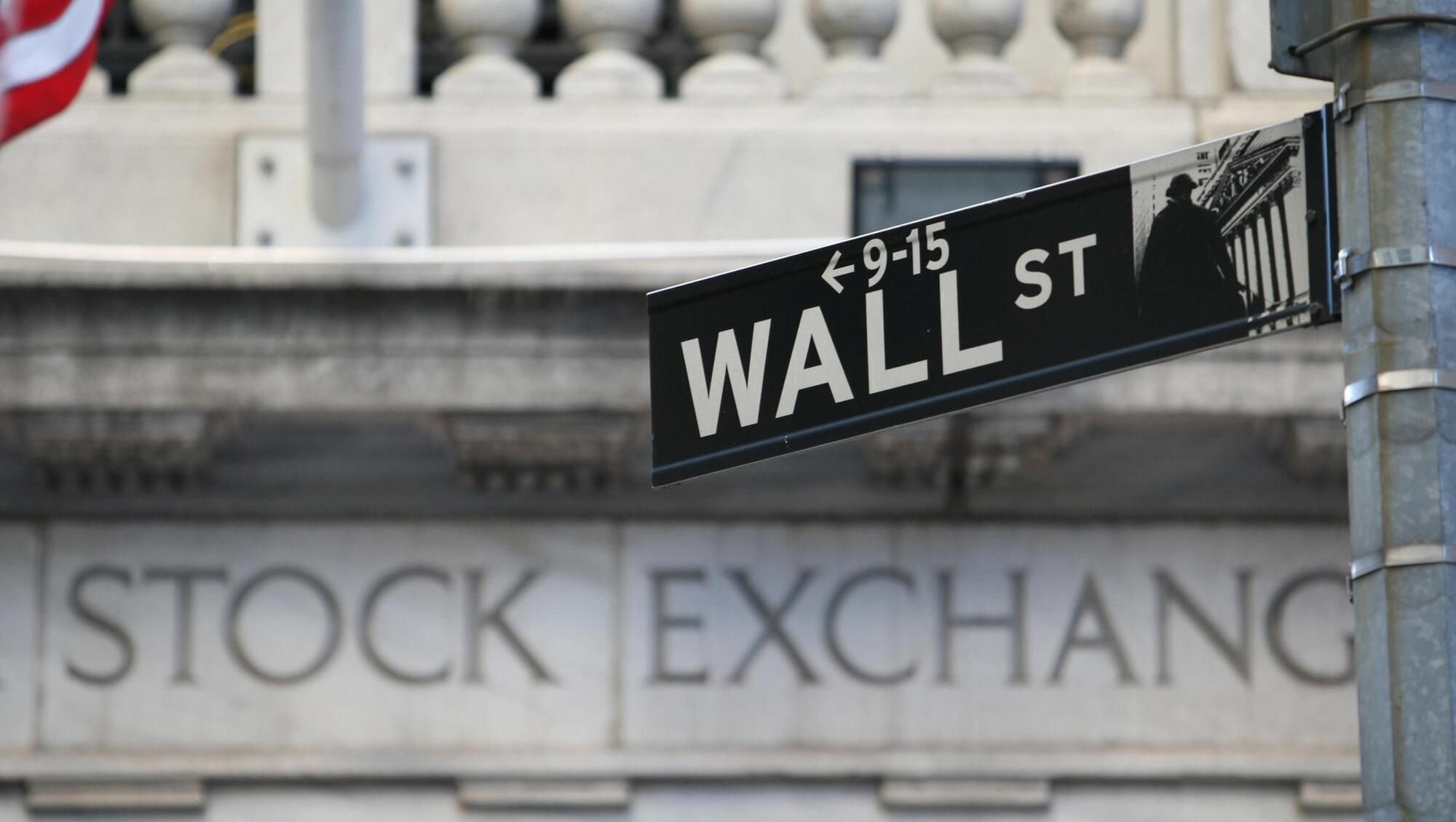
All three major US indexes hit fresh intraday record highs on the day. Of the 30 companies on the Dow, card company American Express and retail giant Amazon were among the biggest percentage gainers so far this year
The Dow Jones Industrial Average breached the 40,000-point level for the first time ever, its fastest 10,000-point climb, powered by strong quarterly results and rising bets of interest rate cuts by the US Federal Reserve.
The blue-chip index surpassed its previous record high of 39,935.04, hit on Wednesday, and has recovered nearly 40% from its October 2022 lows.
"Breaking the 40,000 barrier is a big psychological boost for the bulls as round numbers hold special significance in people’s hearts and minds," Chris Zaccarelli, chief investment officer for Independent Advisor Alliance, said in a research note.
"We are in a Bull Market and people are showing some irrational exuberance (meme stocks) and dismissing bad news (slowing retail sales) and focusing on good news (slightly slowing inflation)," the investment officer said.
US stock markets have climbed since the start of the year, as investors bet on a rally powered by artificial intelligence or AI, robust earnings and hopes that the US central bank will cut interest rates this year.
All three major US indexes hit fresh intraday record highs on the day. Of the 30 companies on the Dow, card company American Express and retail giant Amazon were among the biggest percentage gainers so far this year, up 29% and 22%, respectively.
Chipmaker Intel, which trails other players in the surging market for AI components, is down 37% since the start of year, making it the Dow's worst performer in 2024. Planemaker Boeing follows Intel with a 30% year-to-date loss after the January mid-air panel blow-out on a Max 9 jet rekindled concerns about safety.
For the Dow, the journey to 40,000 from the 30,000 mark took a little more than three years, a faster climb than the previous 10,000-point clamber, at less than four years. It took nearly two decades for it to move from the 10,000 mark to 20,000. The index, which dates to 1896, first touched 10,000 in March 1999.
"The prospect of the (US) inflation pressures easing was enough for the market to be quite enthusiastic, let's put it that way," Rabobank's Head of Macro Strategy Elwin de Groot said.
"Also, up until not too long ago, the market was focused on the US outperforming Europe on many fronts. But now that has almost started to reverse," he added, pointing to another monthly improvement in eurozone industrial production data.
Overnight in Asia, Chinese and Hong Kong property shares had rallied as well after reports that Beijing was considering a plan for local governments to buy up millions of unsold homes across the country.
CONNECT WITH US TODAY



Be the first to know the latest news and updates