Price inflation falls below 2% as interest rates take their toll, estimates show
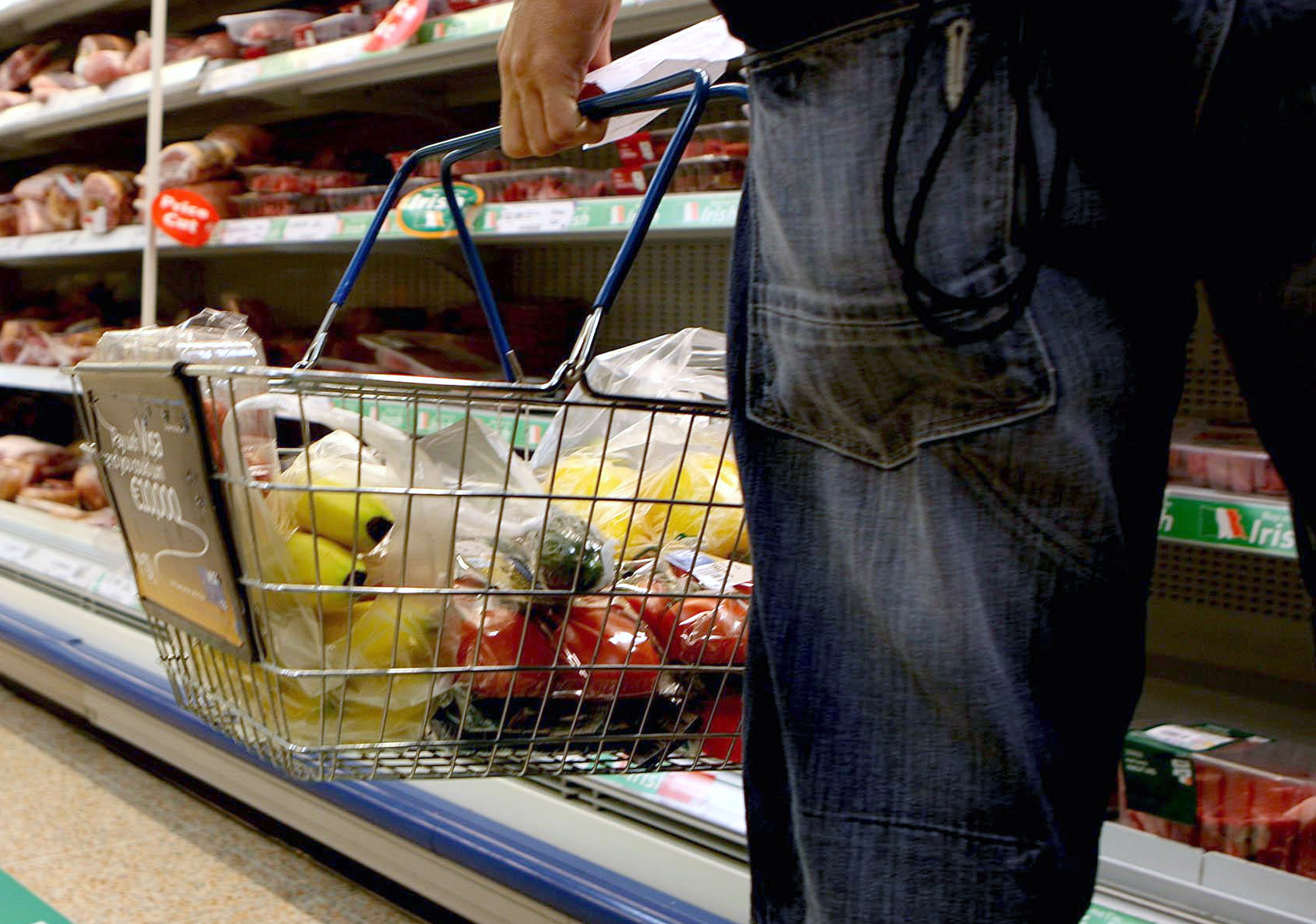
The European Central Banks (ECB) continues to monitor prices across the eurozone as it prepares to meet next week to discuss monetary policy.
Prices increased slightly last month by 0.3%, driven by stubborn food and transport costs, but overall annual price inflation continues to slow as interest rates take their toll, new figures suggested.
Price inflation dropped to 1.7% in the 12 months to March, falling below 2% for the first time since June 2021, according to flash estimates published by the Central Statistics Office (CSO).
Price inflation of 2.3% in the year ending in February and an annual increase of 2.6% in the eurozone during the same period.
Tumbling energy prices compared to surging levels recorded after Russia invaded Ukraine have driven falling annual price inflation.
The latest flash estimate of harmonised index of consumer prices (HICP) published by the CSO showed energy prices have fallen by around 3.1% last month and decreased by 8.4% in the year.
Meanwhile, food prices are estimated to have decreased marginally by 0.1% in March but risen by 2.6% annually.
Transport costs have risen by 3.1% in the month and increased by 3.8% in annual terms.
The HICP excluding energy and unprocessed food is estimated to have increased by 2.8% since March 2023.
The HICP excludes mortgage interest rates, building materials and motor unlike the Consumer Price Index (CPI), and both used to provide information on inflation levels.
The European Central Banks (ECB) continues to monitor prices across the eurozone as it prepares to meet next week to discuss monetary policy.
Markets expect the ECB to make at least one interest rate cut before it breaks for the summer in August.
The regulator remained cautious at its last meeting, saying that “although most measures of underlying inflation have eased further, domestic price pressures remain high, in part owing to strong growth in wages”.
CONNECT WITH US TODAY



Be the first to know the latest news and updates