Hospitality body reiterates call for Vat cut, but not for all
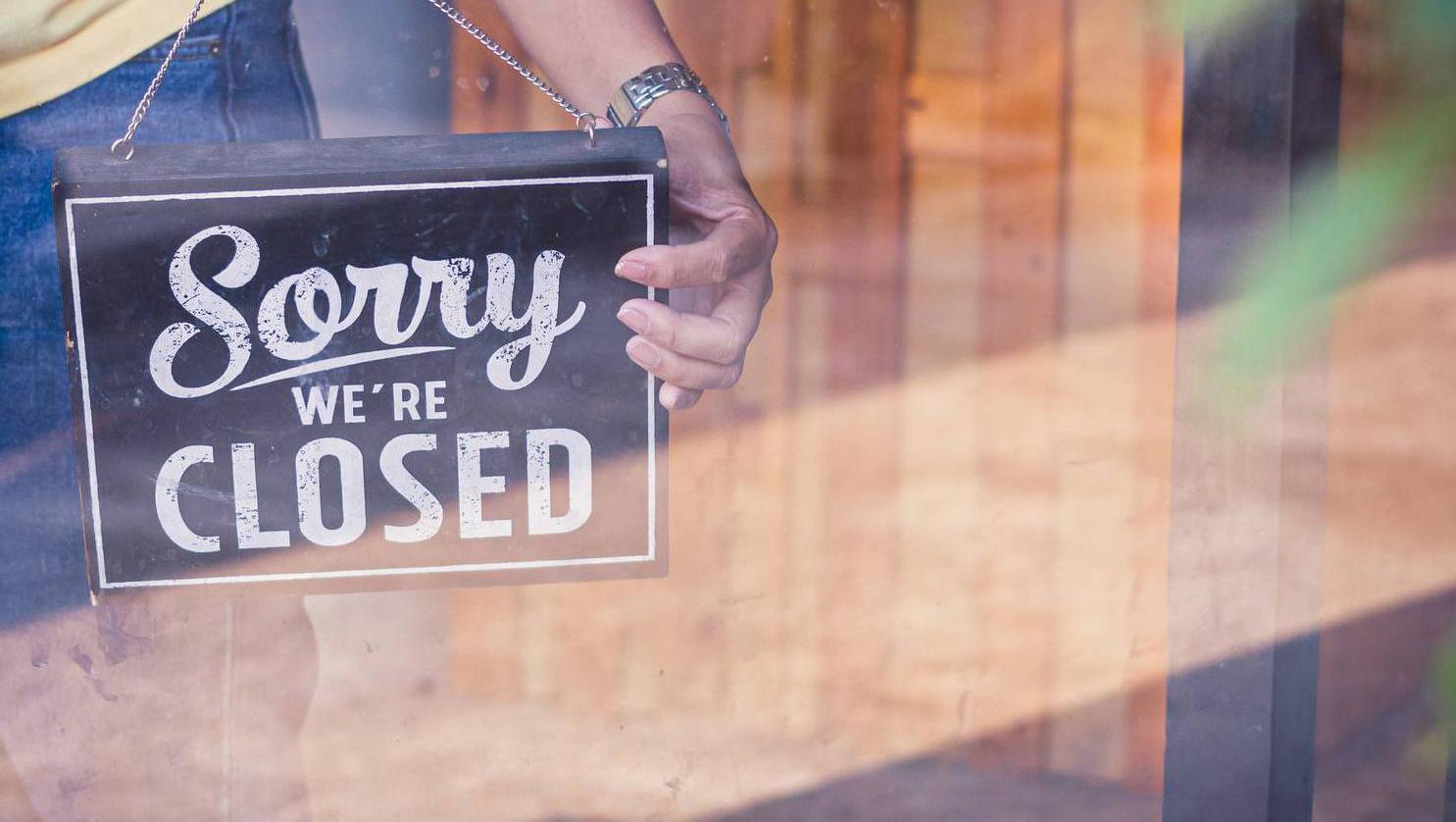
Two separate reports showed insolvencies are set to rebound to levels recorded before the pandemic, driven by business failures in the hospitality and retail sectors.
Simon Harris is poised to become the country’s youngest ever Taoiseach, following his successful Fine Gael leadership bid after no one else contested. However, he is set to steer his party into a general election in the near future that will be marred by chronic issues from housing shortages to capacity constraints in health.
The Government may be searching for some easy wins that could pull favour with voters in the coming months, and tackling challenges facing hospitality could provide some gains.
Vat remains a contentious issue for many in hospitality who are battling stubbornly high costs from labour to rents, but an industry representative body has said a reduction in Vat would ease some of the financial burden on operators.
“I think it was a crazy move to increase the Vat rate, to bring in a 12.4% in minimum wage, increase the sick days and now they want to bring in pension auto-enrolment. They really want to kill off our industry,” said Restaurants Association Ireland (RAI) chief executive Adrian Cummins.
The RAI has ramped up efforts to try and secure a return to the 9% Vat rate introduced during the pandemic, but for food-led businesses only as Finance Minister Michael McGrath has previously confirmed that he would revisit the issue after it was returned to 13.5% last year.
“Were we to reopen the budget there would be many, many calls from sectors who would make the case for additional support and funding,” Mr McGrath told the in January.
However, pressure is mounting on the Government to provide increased support for hospitality operators as the first three months of the year have proved to be extremely difficult for many hospitality operators as a wave of closures continues to hit the sector.
In February alone, the shortest month of the year, 71 food-led hospitality businesses shut their doors for good resulting in approximately 1,500 job losses, according to the RAI.
The lobby group estimated that between 400 and 500 more business could be forced to shutter this year if there is no further intervention by the State.
Mr McGrath has reduced the interest rate on debt warehoused by Revenue since the pandemic to 0% to help businesses cope with other costs, but several firms have told the in recent weeks that they are getting battered by accumulative costs, including an elevated Vat rate.
The cost of the measure when it was first introduced during the pandemic, from November 1, 2020, to December 31, 2021, was €401m. The cost of the first extension to August 31, 2022, was €251m. The cost of the second extension until the end of February 2023 was €250m. Finally, the cost of another six-month extension until the start of last September cost about €300m.
Mr Cummins suggested that there is some support in Fine Gael for the move as Ministers Simon Coveney and Neal Richmond were “very much supportive of a separation of the Vat between accommodation and food” during a meeting the Restaurants Association had with them earlier this year.
“What we know now is there is no political appetite for a reduction to 9% in all the categories,” said Mr Cummins.
“If it is going to happen, and we believe that the game is on, it’s going to be for food-led businesses only,” he continued.
Mr Cummins said that move will have to be introduced by Budget day 2025 but “if it happens before that, we’ll take it.”
“Obviously some businesses are in deep distress at the moment that they won’t get to the summertime to open up. They want it done now,” said Mr Cummins.
The RAI is set to ramp up calls for a reduction in Vat in the coming weeks when the organisation will publish an expert-led tax report.
A key part of the report is expected to examine how other EU countries separate Vat in different areas of hospitality.
“If they can do it, surely Ireland cand do it,” said Mr Cummins.
Meanwhile, new insolvency figures released earlier this week shone a light on the challenges facing many small firms in the service sector as business costs continue to bite.
Two separate reports showed insolvencies are set to rebound to levels recorded before the pandemic, driven by business failures in the hospitality and retail sectors.
PwC’s Insolvency Barometer predicted insolvencies will likely reach close to 1,000 by the end of 2024 while analysis by Deloitte forecasted this figure to reach around 800. Both estimates are above 2019 levels.
Insolvencies during the first three months of the year, reached more than 200, surging 41% on the same period a year earlier, according to the PwC report.
The hospitality and retail sectors made up 40% of the total number of insolvencies with 89 liquidations in total in this period, up from 68 insolvencies a year earlier.
Ken Tyrrell, business recovery partner at PwC Ireland said “subdued consumer demand, international and geopolitical tensions alongside a number of elections in Ireland and globally in the year ahead” are risks that leave vulnerable businesses further exposed to insolvency this year.
James Anderson, turnaround and restructuring partner at Deloitte Ireland, suggested increased labour, insurance and energy costs will be the main financial challenges for business already on the edge of liquidation.
Business failure and restructuring levels have been ticking upwards since the end of the pandemic, as many State introduced life support measures for so called unviable ‘zombie’ companies were wound up.
However, new figures from professional service firms PwC and Deloitte showed the number of insolvencies this year are quickly returning to pre-pandemic levels, suggesting that otherwise viable businesses are struggling to continue operations in the current environment.
Insolvency levels have not yet outpaced the peak reached in 2012 following the banking crisis.
“In order for some of these businesses to survive at least in the short term, a large volume of businesses in the retail, hospitality and construction sectors, amongst others, will require some form of restructuring during 2024,” said Mr Tyrell.
Businesses using Scarp, a restructuring process implemented by the Government during the covid to help rescue small firms from liquidation, made up just 3% of insolvencies, said PwC.
Since its introduction in 2021, there have been 60 Scarp appointments in total with a 73% success rate, saving 761 jobs, Deloitte said.
The professional services firm said it is likely that these low numbers were impacted by the extension of the Revenue warehoused tax debt.
The organisation also said that a large number of businesses are still carrying a significant level of warehoused tax debt on their balance sheets and may still require the use of an examinership or a Scarp process later in 2024.
Over 5,000 businesses still owe €1.4 billion in tax warehoused debt, at an average of €280,000 each. The top 200 companies owe an average of €2.5m each, according to the PwC report.
Elsewhere, other industry representatives have joined together to create the SaveJobs campaign against what it sees as a range of costs and administrative burdens that have been imposed on small firms without their consultation.
The SavesJob campaign includes Isme, as well as pubs group Vintners' Federation Ireland, the Restaurants Association of Ireland, Nursing Homes Ireland, retail groups Retail Excellence and RGDATA, two hairdresser business groups, the convenience stores and newsagents group (CSNA), as well as craft butchers.
CONNECT WITH US TODAY



Be the first to know the latest news and updates