John Whelan: The Trump re-election threat to Ireland's rampant growth in services exports
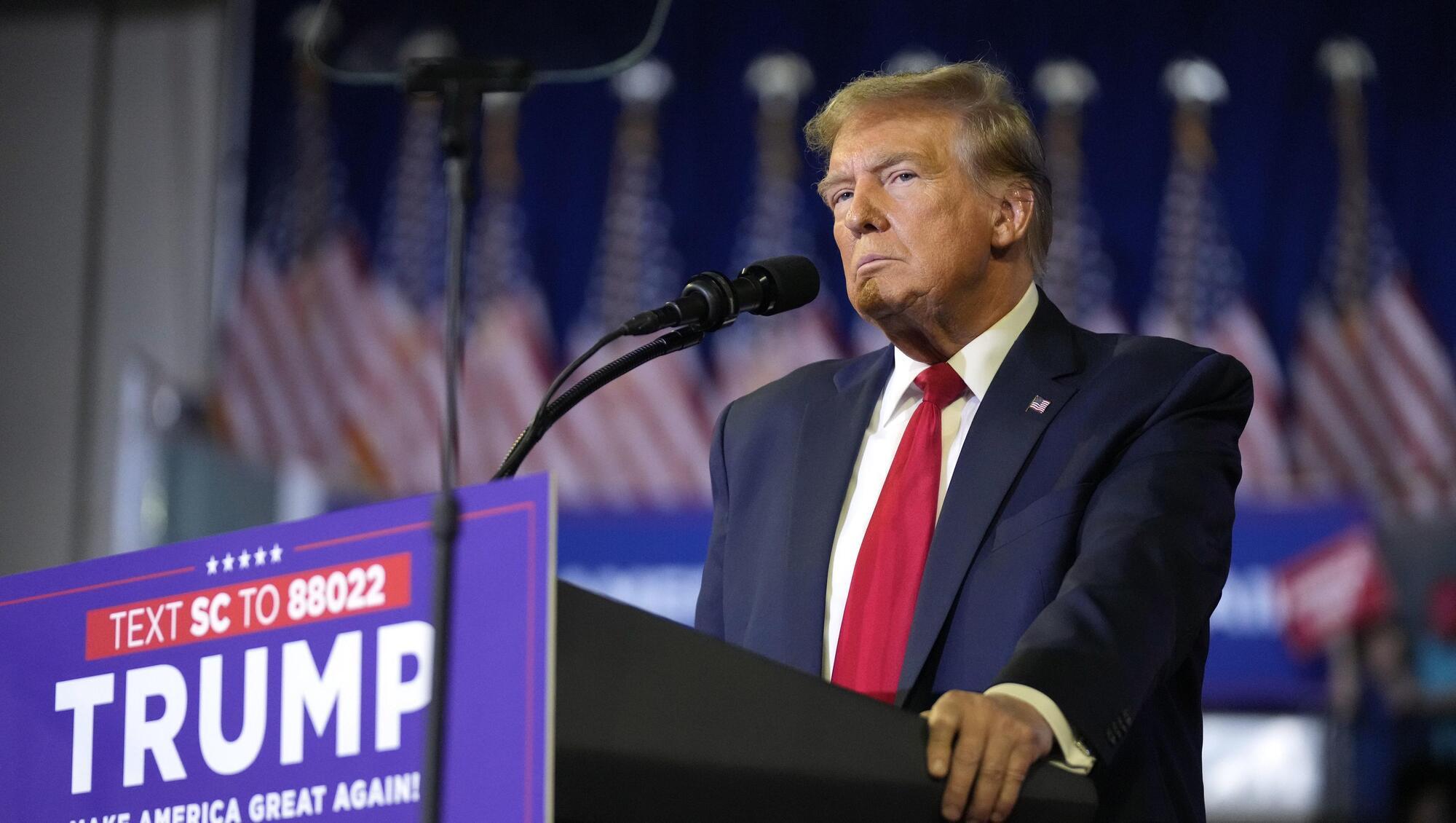
Donald Trump's utterances on the campaign trail would suggest he may go even further in attacking the WTO and creating further global trade tensions next time around if elected.
Exporters of computer software, business consultancy, aircraft leasing and other services were all given a boost last week with the entry into force of new World Trade Organization (WTO) rules facilitating and simplifying trade in services.
As a big services exporter, the new rules should translate into concrete benefits for Irish businesses.
Small businesses will particularly welcome it as they are set to benefit from the removal of some of the most burdensome administrative processes in trading with overseas markets.
According to the WTO, the agreement will help reduce the costs of global services trade by more than €110bn every year, by ensuring transparency, efficiency, and predictability of authorisation and qualification requirements.
Despite the onerous trade barriers, Irish exporters have been ramping up services exports over the past decade.
Services trade represents the largest and fastest growing sector of today's economy in Ireland, underscored by the Central Statistics Office release at the beginning of the month showing services exports increasing by €28bn to €367bn in 2023 and in the process exceeding the long-term dominance of goods exporters.
Surveys of Irish exporters consistently highlight the lack of accessible information regarding the license application processes and high authorization fees, as the most significant cost factors in their ongoing efforts to access international markets.
However, whereas the new set of rules were agreed at WTO's 13th Ministerial in Abu Dhabi by ministers from across the world including the US, the implementation of the new initiative may be halted if former US president and 2024 presidential candidate Donald Trump is elected later this year.
During his prior tenure in the White House, Trump arbitrarily imposed tariffs on all of the United States’ major trading partners, launched a trade war with China, and blatantly violated the rules of the WTO — even repeatedly threatening to withdraw from the institution.
Trump's utterances on the campaign trail, of his intention of applying 10% tariffs on all imports into the US, as well as doubling down on China import tariffs, would suggest he may go even further in attacking the WTO and creating further global trade tensions next time around if elected.
Whereas tariffs on goods imports have been easy pickings for the prior Trump administration, applying tariffs on services imports have eluded all previous attempts.
Currently import sales of services from the likes of Meta, Google, TikTok, and Twitter — before Musk bought it — are not restricted by tariff barriers or border checks.
Instead, national regulations, or in Ireland’s case EU regulations — on data protection, licensing, quotas, professional qualifications and immigration — decide when and how foreign providers are allowed to enter a market.
The hardest hit have been US social media companies exporting into Europe and are likely to be hit again by the latest Digital Services Act (DSA) which entered into force in February 2024.
The DSA rules apply to all platforms in EU member states and besides EU financial penalties of up to 6% of global sales, also can trigger private claims for compensation for damages or losses suffered.
To date, the US has not responded with any countermeasures.
Republicans believe Meta, Google and Twitter now X, are guilty of methodically censoring right-wing voices that have a right to be heard.
Democrats, on the other hand, have been calling for blocking content promoting hate, racism, misinformation, violence, and more.
However, on balance, the Republican stance is closest to the EU, with many concerns that a Trump-led administration is likely to create high risks for the continuity of good relationships with the EU.
Ireland’s exposure to services trade means that any major change in the terms of cross-border trade will affect businesses in many sectors across the economy.
While services imports are very significant both for Irish consumers, think of WhatsApp and for businesses for promotional marketing — think of Instagram and Facebook, the substantial role of services exports in the Irish economy tells us that access conditions to foreign markets will be crucial.