Consumer spending will buoy Irish economy as exports remain sluggish and jobs growth slows 
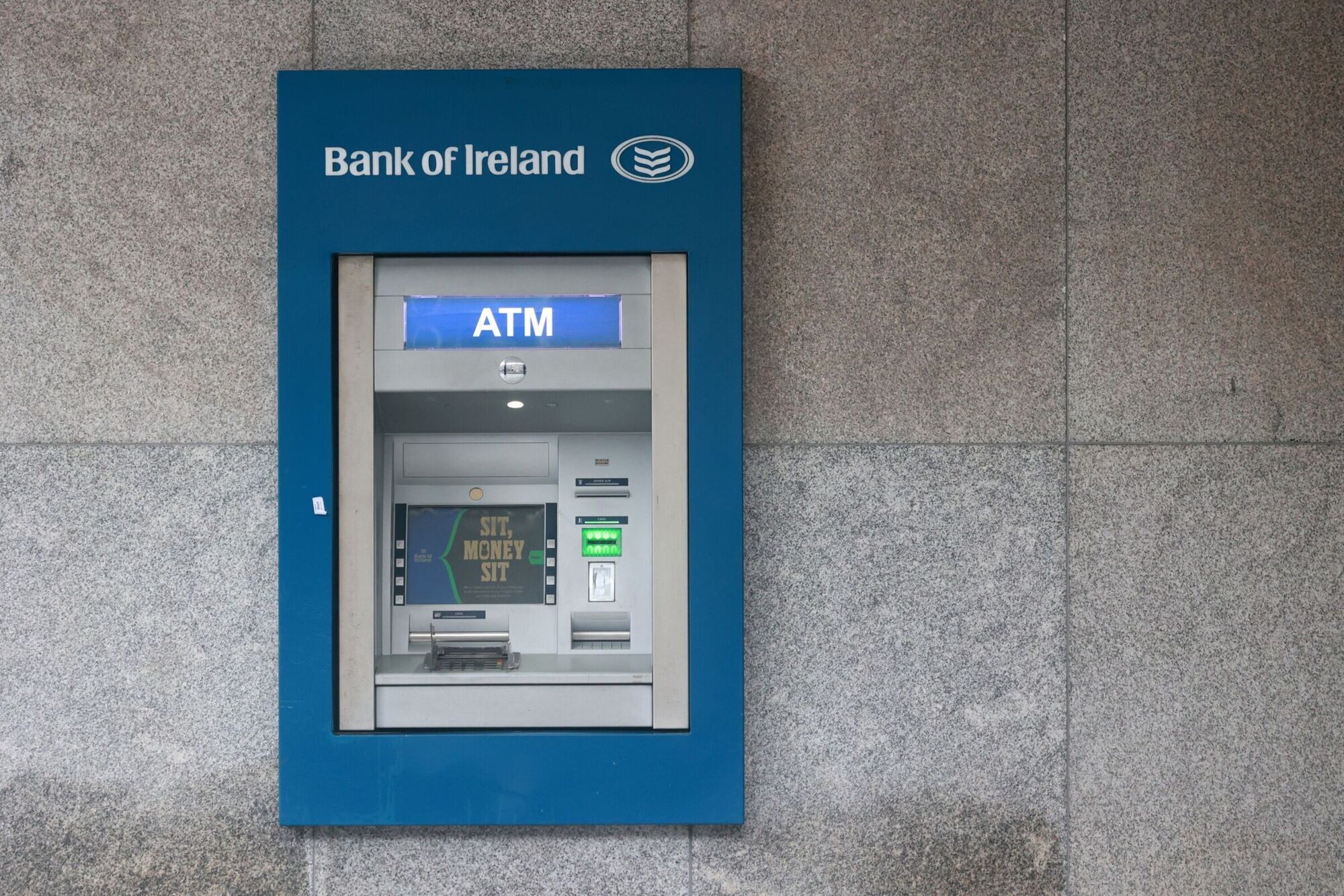
Irish GDP which contracted in 2023 will grow this year, but by the less-than-expected rate of 1.5%
Consumer spending will buoy Irish economy as exports remain sluggish and jobs growth slows 

Consumer spending will help buoy the economy this year even as jobs growth slows from a 'breakneck pace' and multinational exports fail to stage a strong rebound, according to Bank of Ireland forecasts. Picture: Sam Boal/Rollingnews.ie

Consumer spending will help buoy the economy this year even as jobs growth slows from a "breakneck pace" and multinational exports fail to stage a strong rebound, according to Bank of Ireland forecasts. 

Irish GDP which contracted in 2023 will grow this year, but by the less-than-expected rate of 1.5%, as multinationals continue to face sluggish demand across Europe, but Irish-owned firms in the domestic economy will likely fare better, with consumer spending growing by 2.9%, the bank projects. Pay increases will nonetheless outpace the rise in consumer prices for the first time in a while,  

"The impact of the fall in GDP last year will reverberate though 2024 and hold back growth to 1.5%," said chief economist Conall Mac Coille, in his first major forecast for the lender since he joined Bank of Ireland from Davy last year. 

"However, with inflation falling back and real incomes growing, consumer spending should continue to expand, while continued house building should underpin domestic investment growth with both contributing to a solid rise of 2.3% in modified demand," said Mr Mac Coille. 

"The breakneck pace of jobs growth" won't continue, and housing output of 34,000 units will still be far short of the required number of 40,000 to 50,000 units to meet demand from a growing workforce and population, and house prices will grow by "low single-digit territory", according to the forecasts.

"Bottlenecks, capacity pressures, and labour shortages are now the most pressing issue that could hold back growth in the Irish economy. Hence, effectively implementing the National Development Plan and infrastructural investment is key going forward," Mr Mac Coille said. 

The GDP forecasts, for the most part, reflect the sluggish demand multinationals based here are facing for their exports across Europe. The Organisation for Economic Cooperation and Development in its new outlook published on Monday pared its 2024 global GDP growth forecast back to 2.9%, confirming a wide gap between strong economic expansion in the US compared with sluggish growth in Europe. 

The eurozone economy is expected to grow by 0.6% this year, with German economic expansion growing tepidly, and Spain posting robust growth, while both the headline and core inflation eurozone rates are seen at 2.6%. At 0.7%, the British economy is also expected to be sluggish, according to the OECD.  

Separately, growth in the services part of the Irish economy slowed fairly sharply in January, according to the AIB Irish Services Purchasing Managers' Index. 

"Two of the four sub-sectors covered in the survey registered growth overall – led by strong growth in financial services, with business services and transport tourism and leisure seeing monthly declines," according to the survey. 

However, "employment also continued to rise, and the pace of job creation accelerated on the month. Business sentiment about the prospects for activity over the coming 12 months remained at an elevated level, helped by increasing expectations of a recovery in the wider economy in 2024", it said.

More in this section

The Business Hub

Newsletter

News and analysis on business, money and jobs from Munster and beyond by our expert team of business writers.

Cookie Policy Privacy Policy Brand Safety FAQ Help Contact Us Terms and Conditions

© Examiner Echo Group Limited