2024 will see real wage growth across the economy — NERI
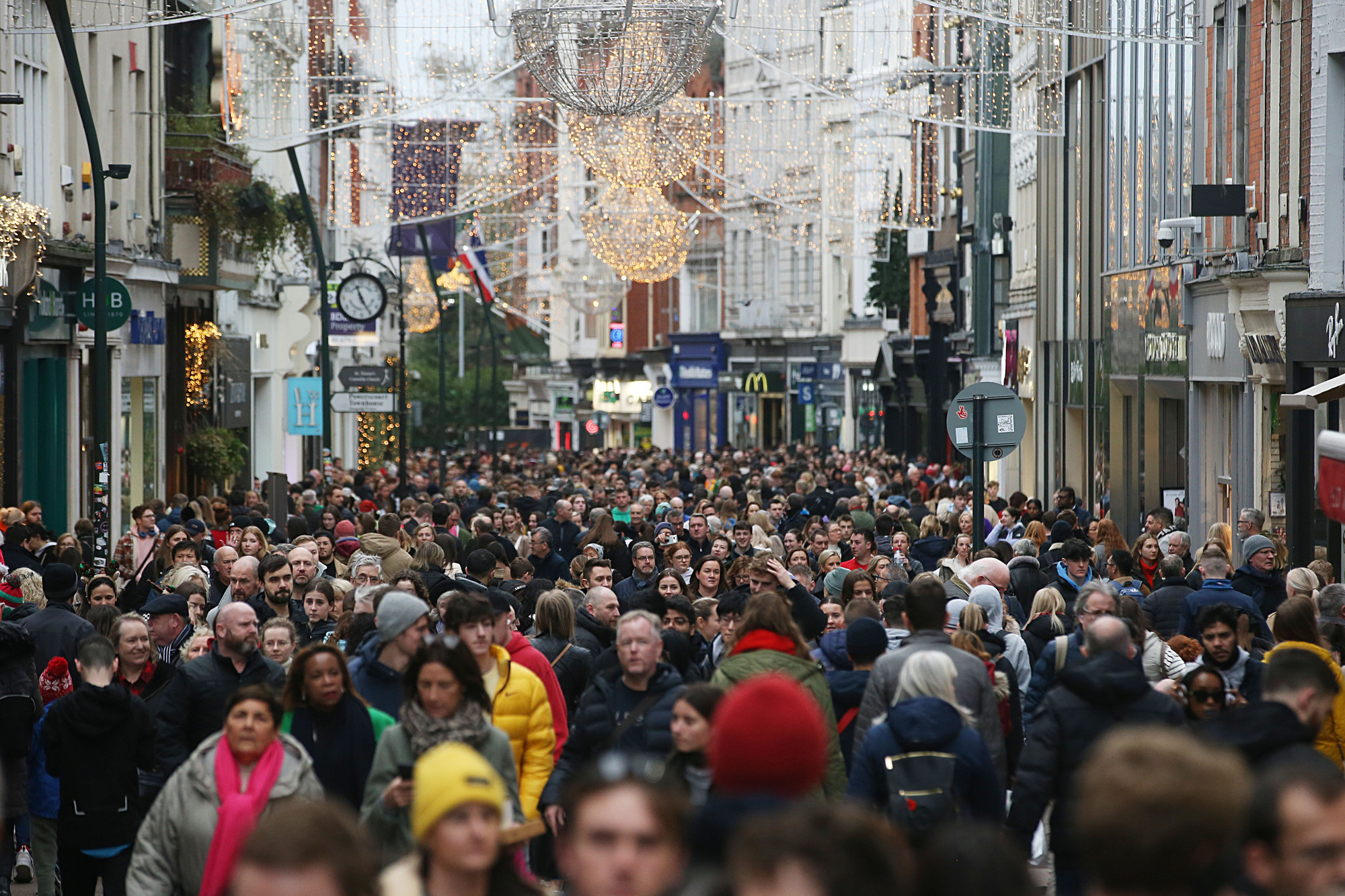
Incomes did not keep pace with price inflation in 2022/23 and living standards fell. Picture: Stephen Collins
Where is the economy heading as we hurtle towards 2024?
My own view is that 2023 will mark the second-last year in the rollercoaster economic cycle that was triggered by the covid pandemic and was then characterised by a debilitating energy shock and cost-of-living crisis.
Perhaps surprisingly, the economy is actually in a pretty good place. There is a tight labour market and low unemployment. We have a record 2.66m at work, with participation rates at their highest since 2008. What explains this?
We can understand the strong post-covid bounce-back as primarily an outcome of the sky-high savings rate and pent-up demand that built up in 2020 and 2021 and the subsequent high levels of spending in 2022 and 2023. This dynamic was possible due to the strong measures taken to protect the economy’s productive capacity at the beginning and height of the pandemic. The eventual surge in demand, once triggered, added a fillip to the economy and has helped generate record levels of employment and a record employment rate for women.
In addition, Irish net exports benefited strongly during the current economic cycle from the performance of the pharmaceutical and ICT industries, not least because demand patterns arising from the pandemic benefited both sectors. While that particular expansion has now petered out, the longer-term outlook is still very good for both sectors and for the corporation tax receipts that emanate from their activities. The mega-trends of an ageing population and fast technological disruption will further benefit both sectors.
However, rising prices and cost-of-living pressures have gradually slowed down the boom and we are already into a new period of more moderate growth. Muted business sentiment indicators suggest we should temper our growth expectations in the short run. Interest rates will be the biggest constraint on the economy and will slow risk-taking, investment, and overall demand.
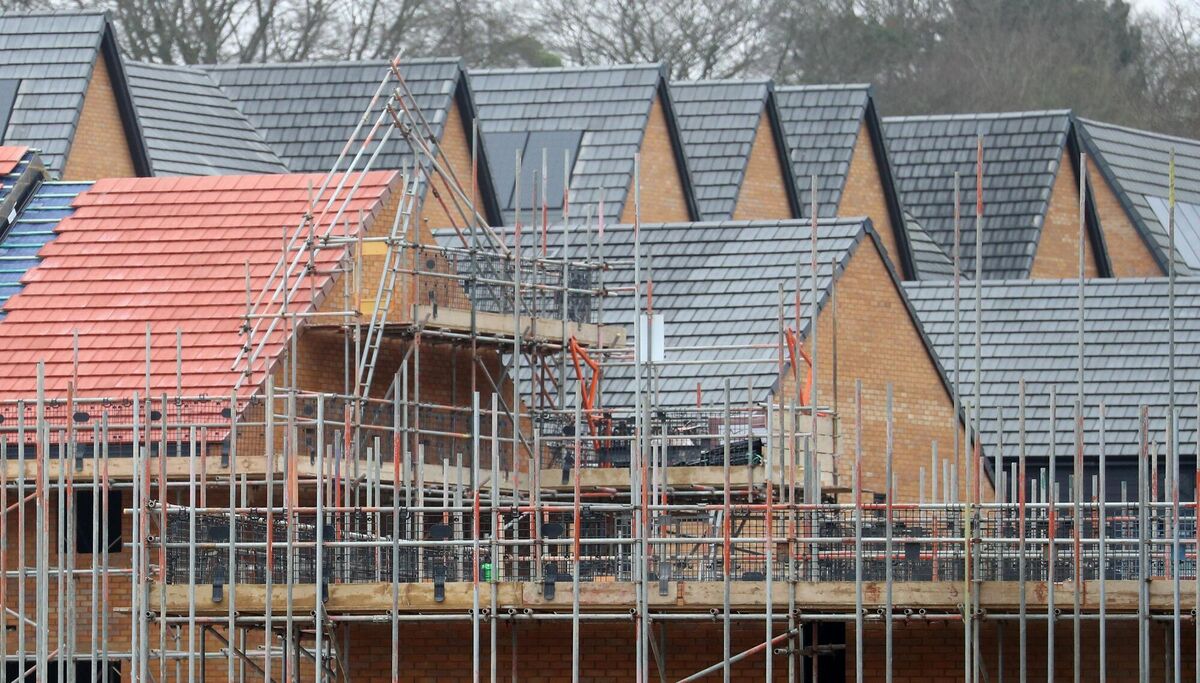
High-interest rates could also increase the rate of business failures and are a worry to the extent that they may slow down needed investment in housing.
More positively, the strong budgetary position offers scope for a robust countercyclical fiscal response if the economy does start to stagnate or reverse. Our closeness to an election suggests Government will not be shy to pull out all the stops in order to counter any slowdown.
While the recent rates of employment growth are unsustainable, we nevertheless foresee employment growth of between 1% and 1.5% next year. Nevertheless, the cost-of-living crisis has meant increased hardship for many, with enforced deprivation increasing significantly in 2022 and it is likely to do so again in 2023. This is because incomes have not kept pace with price inflation in 2022 or in 2023. Living standards have fallen and consumer confidence is therefore unsurprisingly low.
Yet price inflation is at last finally starting to come down. Consumer price inflation was 3.9% in November and should average around 3% next year. This compares to an expected average of 6.3% in 2023 and an average of 7.8% in 2022. Inflation is also falling across the Euro area. The hope is that this decline will convince the European Central Bank to start loosening monetary policy and cutting interest rates.
Monetary policy may be the biggest determinant of the economy’s health next year and a continuation of tight monetary policy is the likeliest potential cause of a recession in Europe. Our view is that interest rates will start falling by the early summer.
Next year will also see better news for workers. The really tight labour market will combine with the falling price inflation to create a window of strong real wage growth in 2024.
This should mean real wages increasing by about 1.5%. The large increase in the national minimum wage to €12.70 is one guaranteed wage increase that we already know about. This is a good step on the path to a genuine living wage and will benefit low-paid workers. It is also very unlikely to have any negative economy-wide employment effect.
We have entered a more modest phase of growth but living standards should improve for most people and households next year.
- Dr Tom McDonnell is co-director of the all-island Nevin Economic Research Institute
CONNECT WITH US TODAY



Be the first to know the latest news and updates