Seamus Coffey: Ireland moves from financial to real constraints
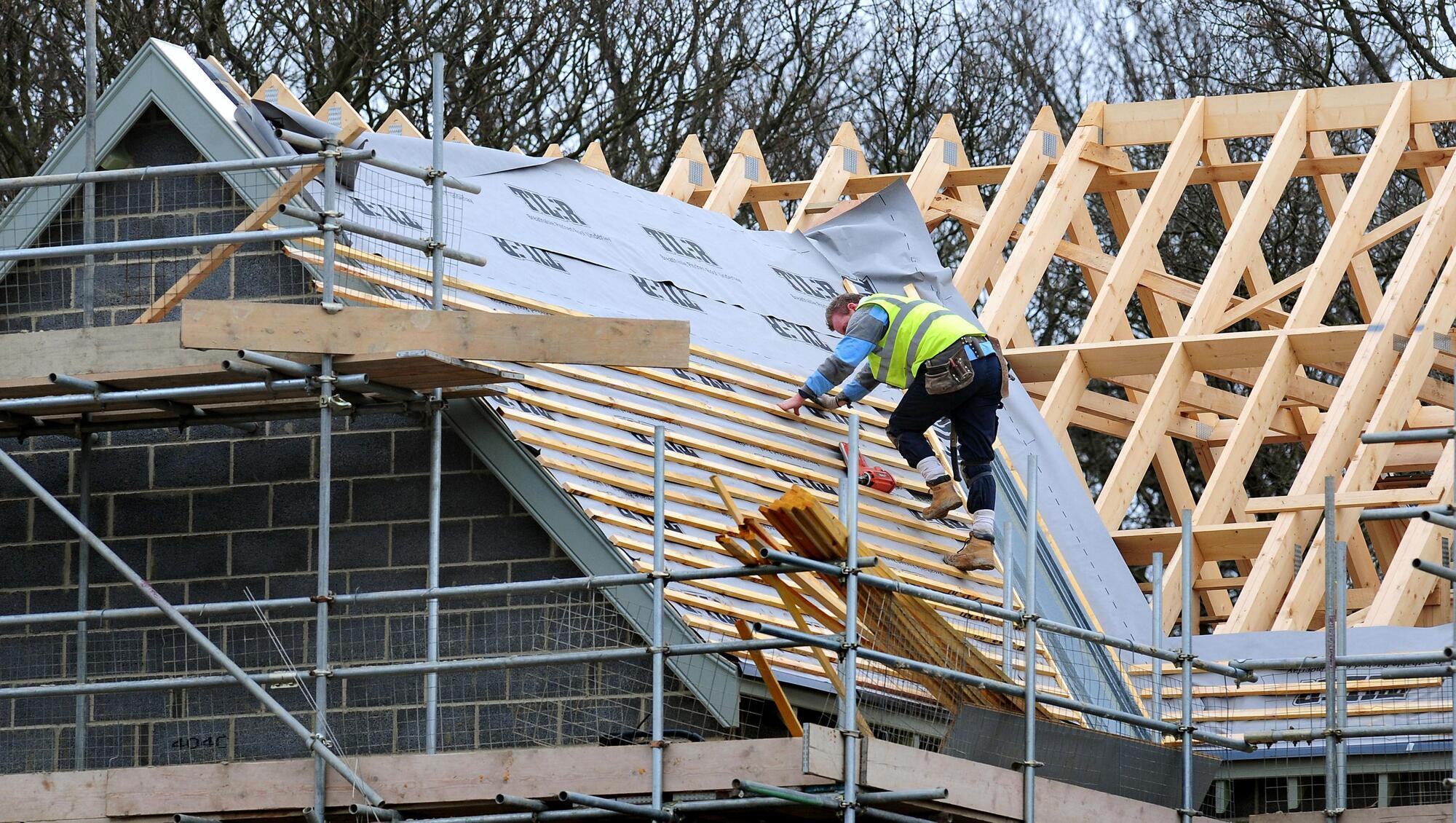
'We can say we want more housing built but unless we make the space in the economy to deliver it, it is not clear where the additional workers needed to do so will come from,' writes Seamus Coffey.
This has varied from pretty much failure in decades following independence, to the achievement of them — albeit sometimes only temporarily — in more recent times.
The primary objectives of macroeconomic policy are fourfold: Improve living standards, provide more and better employment opportunities, foster a stable economic environment, and progress towards a fairer distribution.
Measuring living standards is not straightforward, but whether using income, consumption, or life expectancy, living standards in Ireland in the 1950s were little improved on those of the ’20s.
As the rest of the developed world boomed after the Second World War, the Irish economy was stagnant. With limited employment opportunities, huge numbers of people emigrated.
This failure has been reversed, and living standards in Ireland now are on a par with those of peer countries, while the improvements in job opportunities mean the country is now one that pulls workers in from abroad.
The turnaround, however, has not been achieved in a stable fashion.
Domestic policy mistakes have led to an exaggerated cycle of booms and painful busts. There have also been periods of high inflation and high interest rates, which have undermined economic activity.
The recession of the 1980s was prolonged due to the need to restore order to the public finances, following the unsustainable increases in public spending of the late 1970s.
The post-2008 crash was much steeper, because of the explosion of private sector credit which preceded it was allowed to inflate pretty much unchecked.
There are several facets to achieving a fairer distribution, but one that gets significant attention is income inequality.
Over the past four decades, there has been a fall in income inequality in Ireland.
This reduction has seen Ireland move to the middle of the rankings on income inequality among peer groups, such as EU or OECD states.
As well as the primary objectives, there can be numerous secondary objectives of macroeconomic policy.
These can include environmental sustainability, balanced regional development, improved competitiveness, and greater access to public services.
The real constraints on economic policy are the supply of labour and the stock of capital assets.
Capital assets include produced assets such as roads and buildings, and non-produced assets such as land and natural resources.
For much of our history, Ireland was a labour-surplus economy — reflected in high unemployment rates and significant emigration.
After initial attempts to provide the appropriate capital from domestic sources, including numerous semi-State companies, we turned our focus to foreign investment as a source of capital investment. This has probably been the single most effective policy in achieving the goals of economic policy.
Ireland is now in the unusual position of having real constraints acting as the main limit on our ability to achieve the goals of economic policy.
Indeed, it is probably the case that one such constraint — the lack of housing — needs to be viewed as a policy objective. The fact that we are at full employment limits our capacity to do this.
Achieving the goals of economic policy involves trade-offs. We can say we want more housing built, but unless we make the space in the economy to deliver it, it is not clear where the additional workers needed to do so will come from.
Hopefully, we can do better in recognising these trade-offs than we did before.
- Seamus Coffey is an economist and lecturer in UCC
CONNECT WITH US TODAY



Be the first to know the latest news and updates