Jim Power: 2023 was strange overall, but 2024 could be even stranger
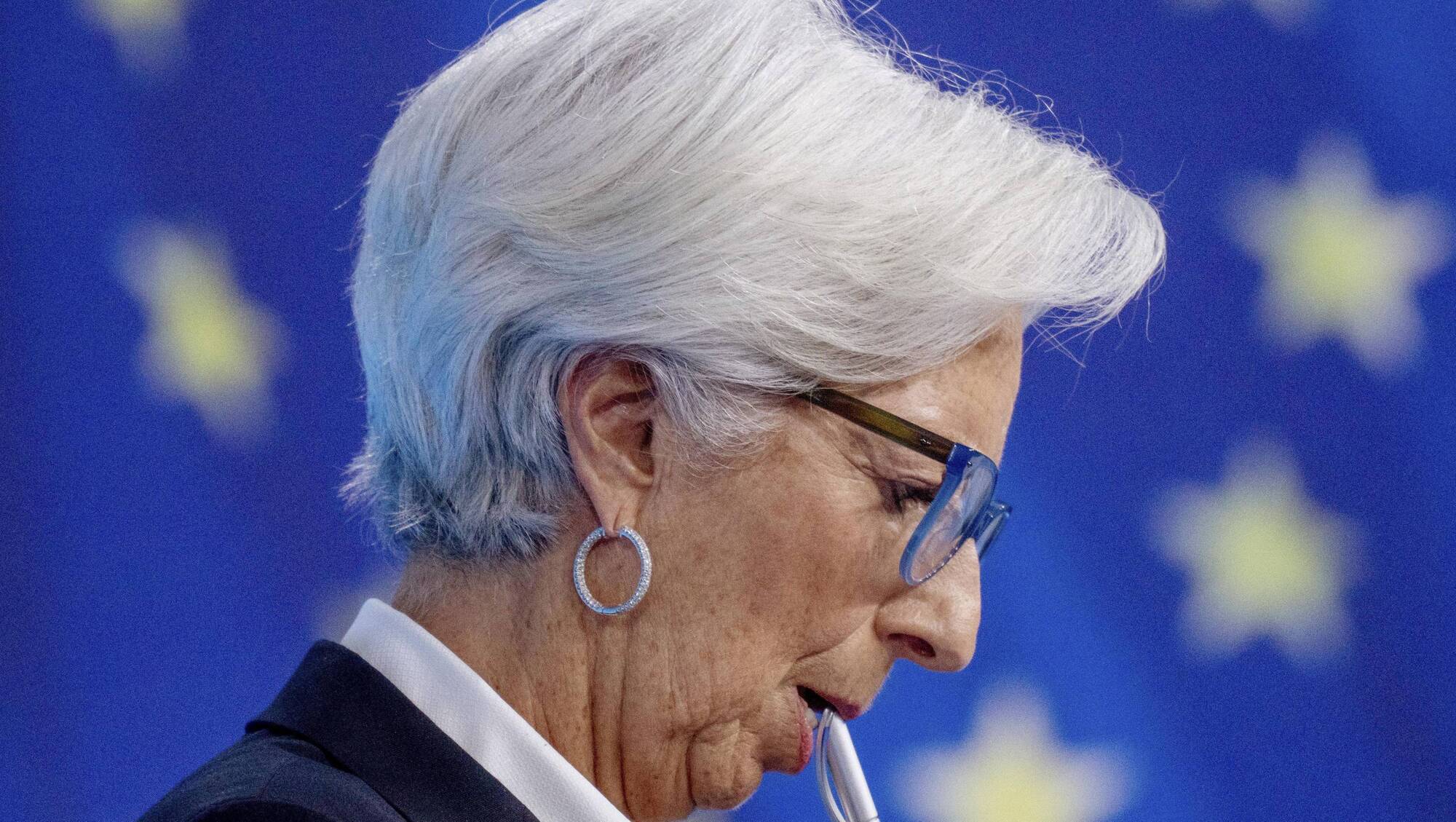
In the final quarter of the year, central banks started to believe they had reached the peak of the interest rate tightening cycle. Picture: AP/Michael Probst

I think it would be safe to ascribe the term Vuca to the global and domestic economy in 2023. It stands for volatility, uncertainty, complexity, and ambiguity.
These are all terms that could certainly describe the year just past, but apart from these descriptions, it was a depressing one in many respects.
We witnessed the deep and dark downside of human nature. The illegal Russian invasion of Ukraine continued unabated, and this was topped off by the barbaric Hamas attack on Israel on October 7, and then the savage response by Israel, which is unfortunately ongoing. However, there are many savage wars ongoing in numerous other countries as well.
From an economic and financial perspective, the year was dominated by the ongoing fight against inflation and concerns about the economic growth impact of the aggressive tightening of monetary policy that started in 2022 but continued well into 2023.
Despite many reservations, it certainly seemed central banks got the upper hand against inflation more quickly than many predicted.
The war is not yet quite won, but with headline inflation in the US at 3.1% in November, the eurozone rate at 2.4%, the Irish rate at 3.9% and the UK rate also at 3.9% in the month, inflationary pressures certainly moved in the right direction.
While the decline in global energy prices contributed significantly to the deceleration in headline inflation, the growth background in the eurozone and the UK certainly helped.
Basically, both of those economic blocs bounced along the bottom for much of the year, with Germany particularly weak. In the final quarter of the year, the mood music changed, and it became quite clear central banks started to believe that they had reached the peak of the interest rate tightening cycle.
At the December meetings, the ECB, the Federal Reserve, and the Bank of England all left interest rates unchanged.
One of the somewhat strange features of the global environment in 2023 was the significant deceleration in headline inflation and the persistence of low unemployment and tight labour markets.
The general view was that it would be very difficult to bring inflation down without forcing a significant increase in unemployment. To date, that has not happened, and most policy makers seem to believe this will remain the case in 2024.
Here at home, the growth environment remained quite robust, particularly the labour market and the public finances. Employment reached another record high of about 2.6 million in September, the unemployment rate stood at a virtual full-employment rate of 4.8% of the labour force.
Plus, notwithstanding some weakness in corporation tax in the August to October period, there was a strong rebound in the most important month of the year, November. Both Vat and income tax revenues were very strong throughout the year.
Nevertheless, the year ended with official forecasting bodies such as the Central Bank and the ESRI suggesting gross domestic product would decline in 2023. Indeed, GDP declined throughout the year, suggesting the economy was officially in recession in 2023.
However, as is always the case, the interpretation of Irish economic growth data is incredibly difficult and confusing. The main reason GDP declined was because of a sharp decline in contract manufacturing and merchandise exports.
These declines reflect a slower global economy, but more than that, a significant post-covid adjustment. Reflecting this slower multi-national performance, employment in IDA-supported multinationals declined marginally by 0.3% to 300,583. A strong level of employment, but clearly the role of the IDA is becoming more challenging.
Against a background of sharply rising mortgage rates and affordability issues, national average residential property prices eased in the second half of 2022 and for much of 2023.
However, towards the end of the year, price pressures started to trend upwards again, reflecting strong inherent demand and limited supply.
2023 was a strange year overall, and 2024 could be even stranger.
- Jim Power is a leading Irish economist
CONNECT WITH US TODAY



Be the first to know the latest news and updates