Government accused of repeating past mistakes ahead of budget
Ifac warned increasing spending and cutting taxes could fuel more price rises. Picture: Damien Storan/PA Wire
The Irish Fiscal Advisory Council (Ifac) has accused the Government of repeating past mistakes and ignoring its own spending rules as it prepares for the budget next month, saying the “economy does not require additional stimulus”.
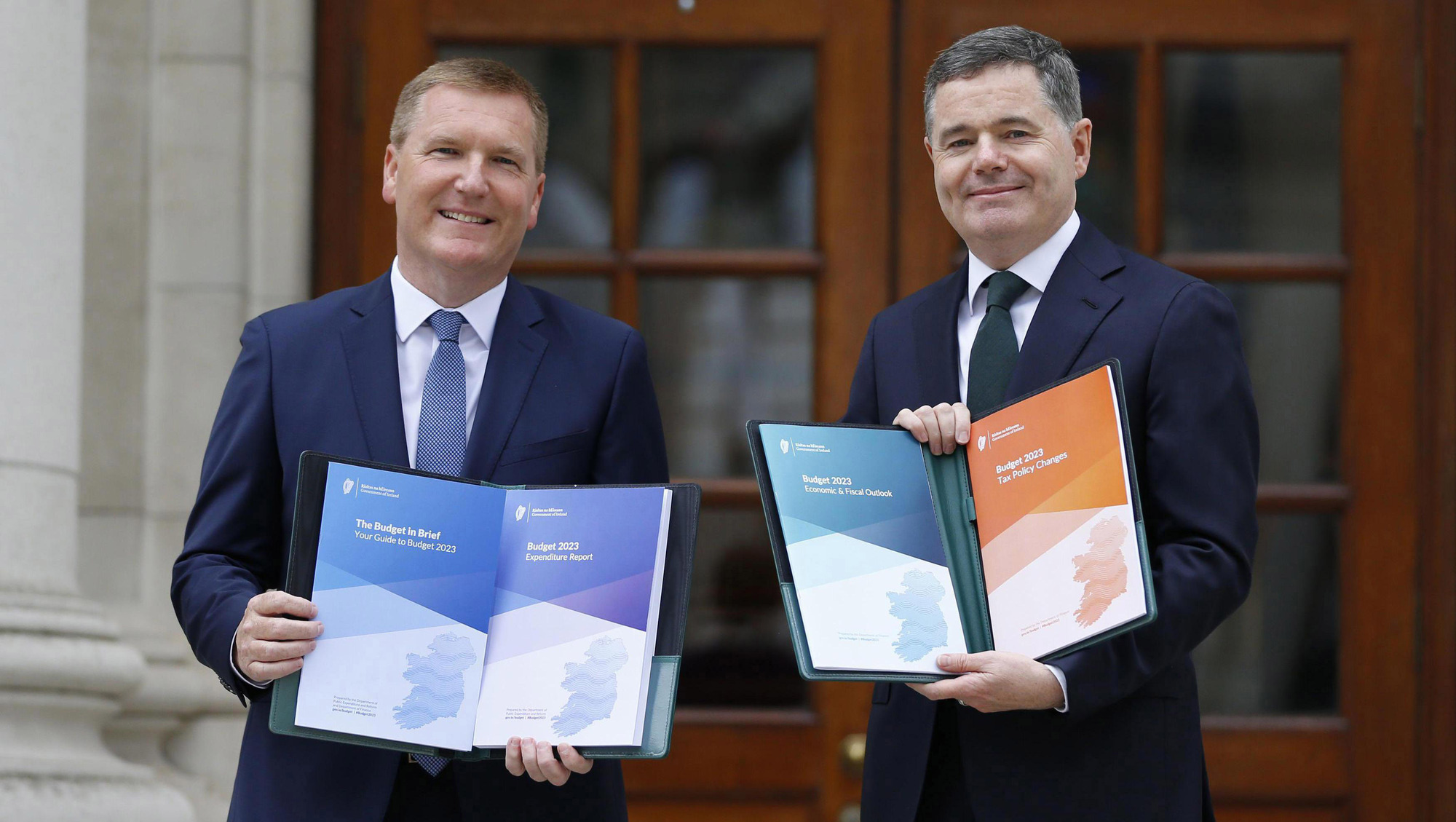
The budget is due to be presented on October 10, with Finance Minister Michael McGrath having already said there will be €6.5bn worth of new measures, with €5.25bn going to extra expenditure and €1.15bn in tax cuts. Funding for once-off cost-of-living measures has also been muted but not agreed on yet.
All this means core expenditure will increase by 6.1%, which breaches the Government’s own spending rules which limits increases to 5%.
In its pre-budget submission, the Ifac said the Government was planning on repeatedly breaching its own spending rule every year out to 2026 and as a result “core net spending is expected to be €4bn higher by 2026 compared to plans set out five months ago”.
“Increasing spending and cutting taxes when the economy is already performing strongly. Such an approach can destabilise the economy in an upturn, fuelling more price increases,” Ifac said.
Ifac also pointed out overruns are not always taken into account, particularly in health, which adds to spending.
Professor Michael McMahon, acting chairperson of Ifac, said the Irish economy was in an “unusually strong position” and is now “beyond full employment”, with many sectors, particularly construction, experiencing extremely tight labour markets.
"It is our assessment that this economy does not require additional stimulus through a large budgetary package,” he said.
By spending more, Ifac is arguing the Government is leaving itself vulnerable if corporation tax receipts — which are becoming a bigger part of the tax base — begin to underperform.
If that happens, the Government could find itself being forced to cut back on spending at a time when the economy would benefit from stimulus.
In its submission, Ifac said the Government should stick to its spending rules to ensure more credible and sustainable plans going forward.
Mr McMahon added extra spending in certain areas could be achieved, but they have to be offset with tax increases or spending adjustments.
"There is a need for tough choices," Prof McMahon said.
Ifac added there was no justification for more temporary measures, particularly if they are un-targeted, as this would risk adding to price pressures.
Prof McMahon said the Government also needed to improve its long-term planning and criticised only planning out until 2026.
“Our recent research has shown climate costs really start to mount from 2026, and ageing pressures as we've shown in the long term sustainability report grow especially from 2030,” he said.
"Not taking this medium- to longer-run perspective into account limits the extent to which good planning can take place today."

CONNECT WITH US TODAY



Be the first to know the latest news and updates