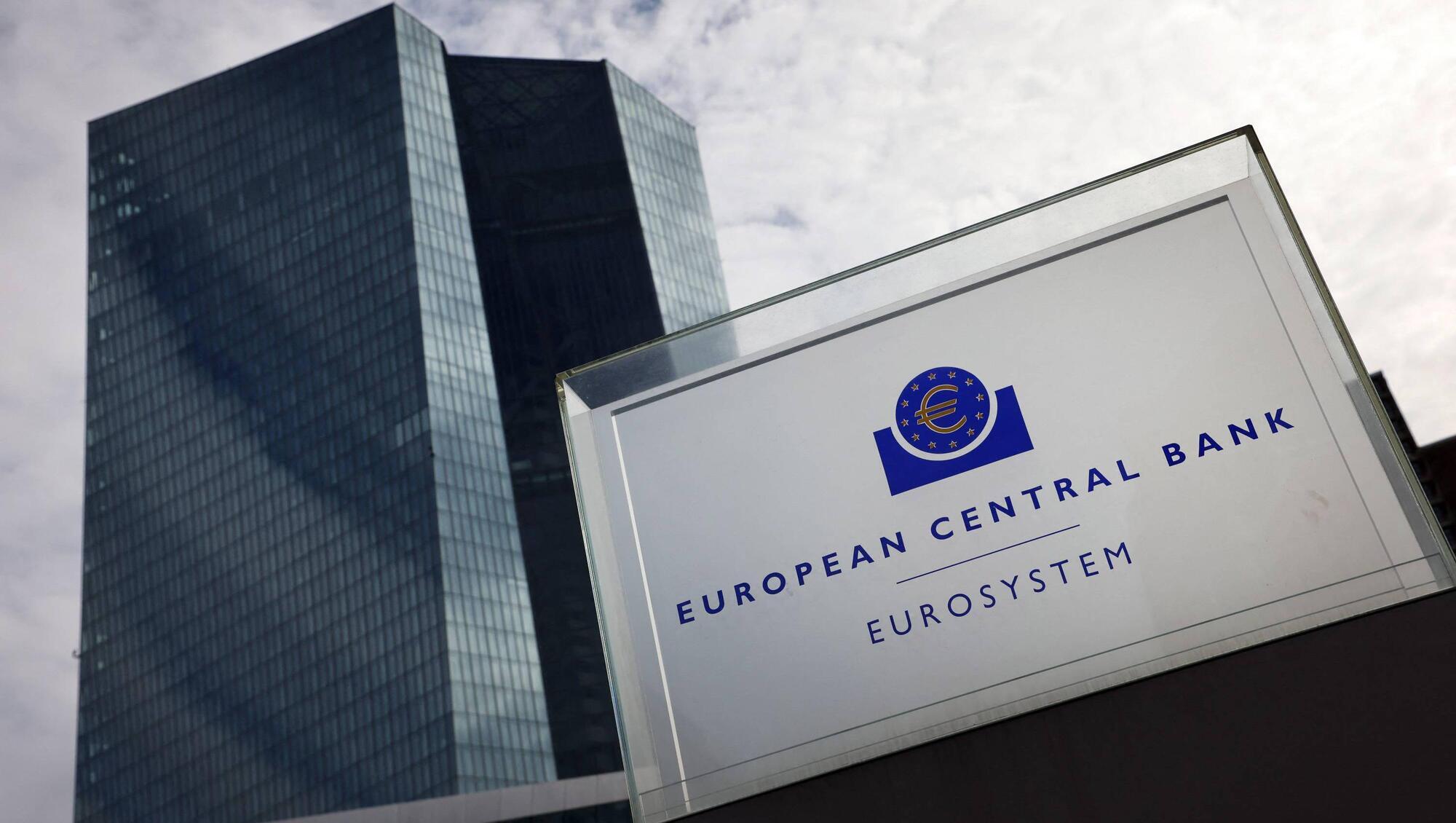
The three Irish banks delivered “exceptionally strong results” generating combined income of over €1.7bn at the half-year stage, helped, in part, by the deposits they place at the European Central Bank and the deposit rates they pay customers, ratings firm DBRS Morningstar has said.
The commentary comes after the Irish banking trio — AIB, Bank of Ireland, and Permanent TSB — last week completed their earnings reports for the first six months of the year.
The DBRS report highlights the strong profitability of the Irish banks “driven by deposit margin”, but also detects “early signs” of some deterioration in loan quality, amid high levels of price and cost inflation for households and businesses.
DBRS Morningstar said the three banks reported €1.73bn in total net income, marking “one of the strongest” performances at the half-year stage since the onset of the financial crisis over 14 years ago.
Profits were driven by the surge in European Central Bank interest rates since last summer, as the lenders tapped higher returns from the deposits held at the ECB, “and to a lesser extent” from the “continuous repricing” of the rates they charge customers for their loans, as well as benefiting form the loans they acquired when rivals Ulster Bank and KBC Bank exited from the banking market in the Republic.
“In contrast, interest rates on customer deposits, the largest source of funding for Irish banks, slightly increased since end-2022”, as the banks passed on a small part of the ECB rate hikes to depositors, while customers mostly favoured holding deposits in accounts with no or low-yielding rates, rather than interest-bearing term savings accounts.
“As a result, the return on equity, as calculated by DBRS Morningstar, has significantly increased year-on-year,” the ratings firm said.
For AIB, DBRS Morningstar estimates the return on equity had climbed to 13.6% at the half-way stage from 7.2% a year earlier; the return for Bank of Ireland had increased to 14.4% from only 5%; and the return on equity at Permanent TSB had climbed to over 2% from a below-water return of 4% over the same period.
The ratings firm said total loan provisions for the three banks increased to €258m in the first-half, “driven by an increase in risk on the residential mortgage and real estate sector portfolios”, amid “early signs of asset quality deterioration”.
The “exceptionally strong results” also featured the Irish banks holding “significant capital buffers” against potential economic shocks and loan losses that were “well above their minimum requirements” demanded by regulators.
Irish banks were not alone, with counterparts in Italy, Portugal, Spain, and Greece posting “very strong results” in the first six months, said Maria Parra, vice president, European financial institutions at DBRS Morningstar.
“Apart from Ireland, other jurisdictions such as Italian, Portuguese, Spanish and Greek banks, as an example, also have very low deposit betas — lower than initially expected for 2023 and around 10% on average,” DBRS Morningstar said.
Shares in Irish banks rose in the session. AIB shares gained 2%, Bank of Ireland shares ticked slightly higher, while Permanent TSB rose by almost 4.75%.

Subscribe to access all of the Irish Examiner.
Try unlimited access from only €1.50 a week
Already a subscriber? Sign in
CONNECT WITH US TODAY
Be the first to know the latest news and updates