It is pretty much a given that the European Central Bank (ECB) will increase interest rates again this week by at least another 0.25%. However, has the ECB reached a peak or will rates rise further still?
In his recent interview with Bloomberg, Dutch economist and ECB governing council member Klass Knot hinted that we may be close to the end of interest rate hikes. He commented that inflation has “plateaued” and any action from the ECB beyond July is “a possibility but by no means a certainty.” European inflation has almost halved since its peak of 10.6% in October 2022. This would lead you to believe that inflation is under control and in turn this would suggest that we are coming to the end of interest rate increases. But it is not as simple as that, unfortunately.
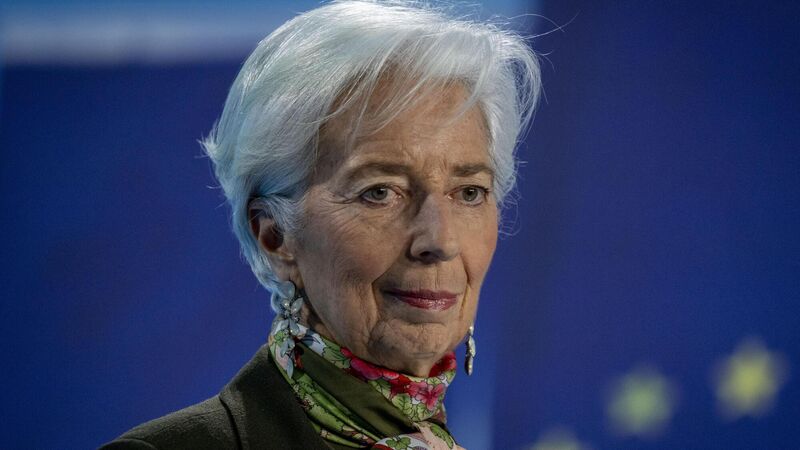
Some at the ECB see the need for interest rates to continue to rise with another hike expected in September. ECB president Christine Lagarde commented earlier this year that “policymakers must not let up in their battle with inflation…, we have to also stay the course of resilience…”.
Others, like Mr Knot, see the possibility that the expected July increase may be the last for the foreseeable future. ECB vice president Luis de Guindos also showed optimism that underlying inflation may be peaking.
While the end of ECB interest rate increases may be in sight there is no clear indication as to when we will start to see decreases in interest rates. Many factors like, the rate of inflation, domestic demand and the continuing war in Ukraine will continue to dictate what the ECB do into the future. Irish Tracker mortgage holders and those seeking a new fixed rate mortgage should not expect mortgage interest rates to decrease any time soon. Mr Knot is negative on this point in that he cannot see the ECB decreasing rates before 2025.
This means a lot of things for Irish mortgage seekers and home buyers.
Irish tracker mortgage holders will continue to see their mortgage rates increase in line with the ECB rate. However, for variable and fixed rate mortgages the link with the ECB interest rate is not as strongly correlated.
Since last July, the ECB has hiked rates by 4% but the main Irish Banks have only increased by around 1.5 to 2%. This is because Irish mortgage interest rates are now more closely correlated to the banks savings and deposit interest rates.
Irish Banks and mortgage lenders are under pressure to increase savings and deposit interest rates and this in turn puts pressure on them to increase mortgage interest rates.
The main way Irish mortgage lenders source mortgage funding for new mortgages is from the savings they get from deposits.
So as savings interest rates increase in the months ahead, we should also see a corresponding increase in mortgage variable and fixed interest rates.
Mortgage demand
Despite the ECB and mortgage interest rate hikes over the past 12 months there has been little if any impact on the demand for mortgages and housing in Ireland. Recent mortgage approval figures from the Irish Banking and Payments Federation Ireland demonstrate this.
The value of Irish mortgage approvals for home purchases rose 17% year on year in May. Demand for mortgages is strongest from first time buyers. First-time buyers benefit from slightly looser lending policies and have the benefit of government schemes like the Help to Buy Scheme and the First Home Equity Scheme.
For now, rising mortgage rates are not really affecting demand for mortgages and housing as it is still more cost effective to buy and pay a mortgage rather than rent.
With rents unlikely to decrease any time soon I would expect demand for mortgages to remain strong for the foreseeable future.
For anyone seeking a mortgage it is as important as ever to seek advice from an expert. The amount you can borrow and what you pay can vary wildly from mortgage lender to mortgage lender. I would strongly recommend seeking the help of an independent mortgage broker.
Stephen Hamilton is managing director of MortgageLine.ie
CONNECT WITH US TODAY
Be the first to know the latest news and updates