John Whelan: Irish pharma pushes back against EU plans
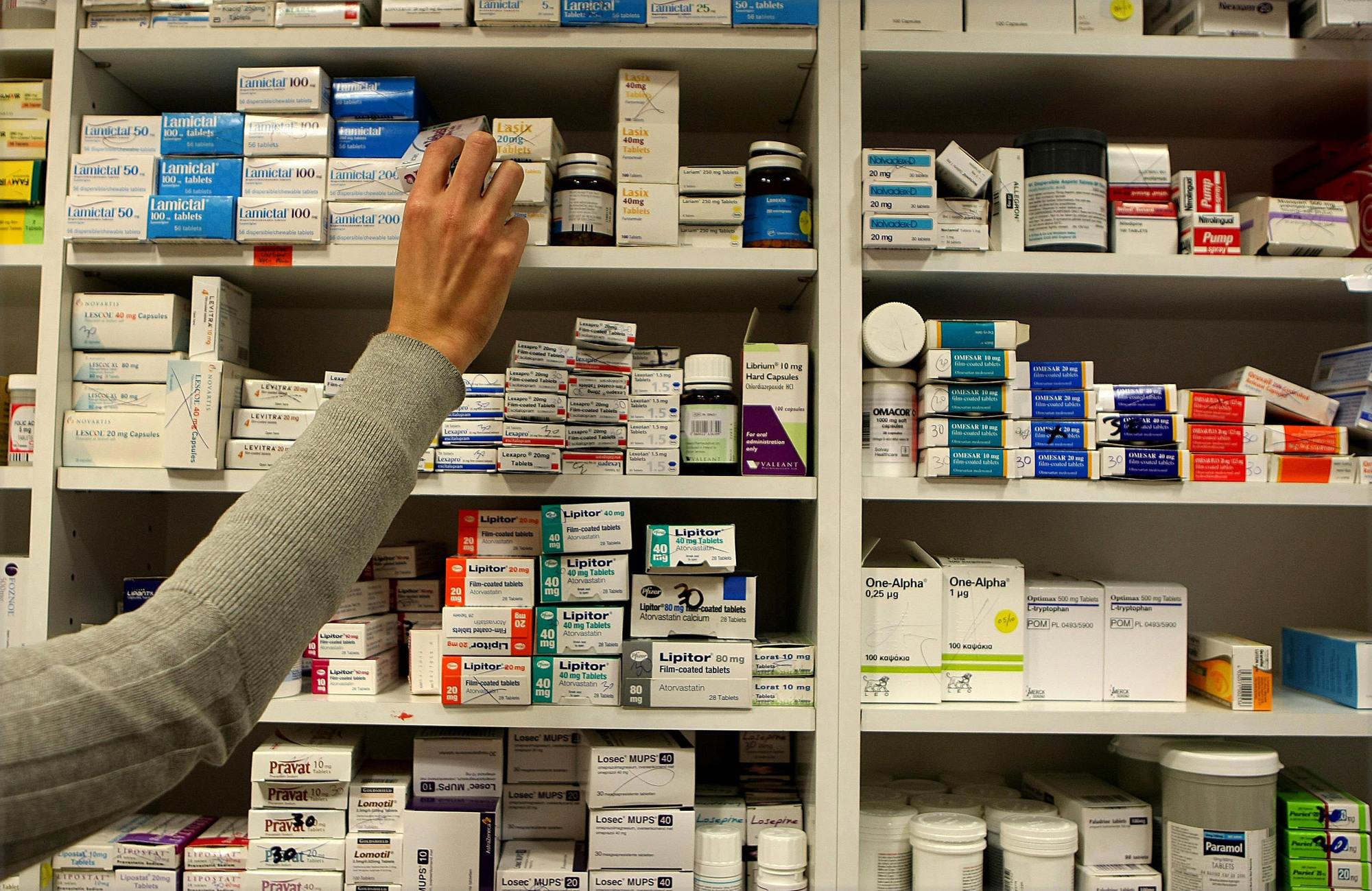
According to the IPHA, the proposals from the Commission will weaken intellectual property rights and degrade the development and delivery of innovative new medicines for patients in Europe.
Considering that the pharmaceutical industry contributes more to Ireland’s trade balance than any other sector, the European Commission’s radical proposals for the sector have the industry here and across the rest of Europe dismayed and more than a little upset.
According to the business group Irish Pharmaceutical Healthcare Association, or IPHA, the proposals from the Commission will weaken intellectual property rights and degrade the development and delivery of innovative new medicines for patients in Europe.
The European Federation of Pharmaceutical Industries and Associations convened in Brussels last month, was more forthright in expressing their concerns about the impact of any such legislation.
It rejects the assertion that the proposal will enhance the accessibility of medicines and vaccines while boosting scientific research and innovation in Europe.
On the contrary, the IPHA states the proposals will accelerate the decline in European R& D and clinical trials.
No other industry sector in Ireland can match the pharmaceutical industry’s contribution to generating trade surpluses, investment in research and development, and creating skilled employment.
Last year, the sector accounted for half of total goods exports and was the largest contributor to corporation tax receipts.
Right now, however, there are indicators that the US pressure to build more at home is beginning to hit Irish exports of pharmaceuticals, which fell 27% to the US in the year to April, while pharma exports to the UK and the EU increased.
This is the first major overhaul of the EU’s medicines regulations in 20 years and has the laudable aims to make access to medicines more secure and affordable, encourage innovation, and reduce red tape. It touches on everything from medicines access to drug shortages, and the bloc’s pharma regulator.
The tough new proposals want to shave two years off the amount of time new branded medicines have protection on the market before generic drug companies can copy the original product and launch their own product.
The EU is essentially proposing to eat into pharma companies' bottom lines to shape drug development in Europe and is set to be one of the most heavily debated measures of the legislation.
The other key aspect of the legislation is the radical changes for the European Medicines Agency, or EMA, which regulates the industry.
They include providing more scientific advice to drug makers and faster assessments of the data on new drugs proposals.
There is also a shakeup of the EMA three specialised committees, leaving just two sections, one to assess if a drug meets market standards, the other to review any safety concerns. The agency would also be able to introduce rolling reviews and temporary emergency authorisations.
Some procedures will be simplified.
The pharmaceutical industry in Ireland is highly advanced, incorporating the latest technology with strict quality control procedures.
An important aspect in the development of the sector, which has helped to significantly boost its contribution to the Irish economy, has been the success of the sector in diversifying the nature of its investment from the original focus on making bulk active ingredients to higher-value activities.
The worry for large pharmaceutical companies and smaller biotech firms is that the proposals will further accelerate the loss of Europe’s industrial base to the US and Asia, and Ireland will miss out on opportunities to keep growing the sector.
CONNECT WITH US TODAY



Be the first to know the latest news and updates