John Whelan: Irish trade momentum remains exposed to new global barriers
After decades of international trade growth, driven by free trade agreements, many countries are putting up restrictions to trade.
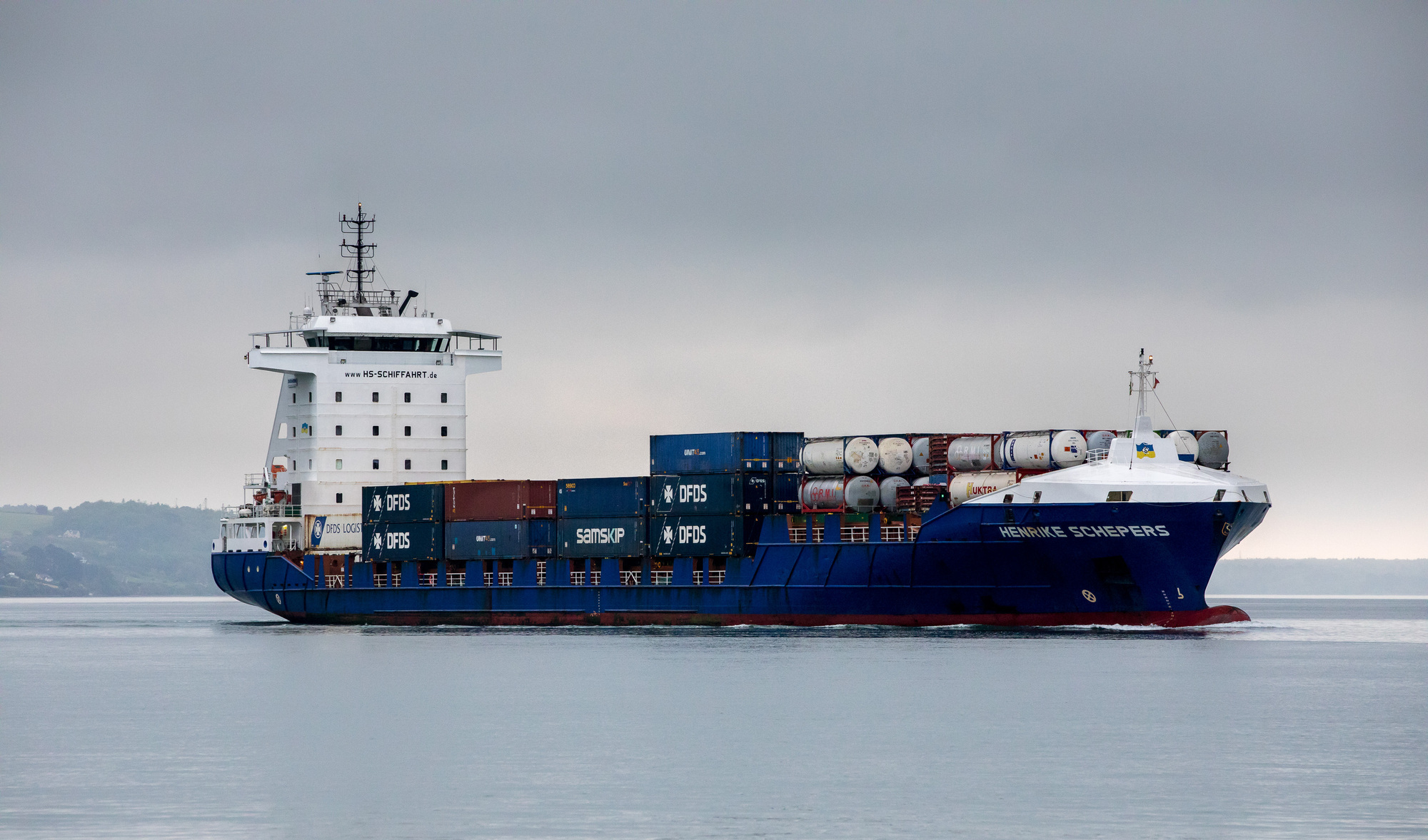
During the covid-19 pandemic, many countries restricted exports of medical goods such as vaccines, as well as some foodstuffs. File Picture: David Creedon

During the covid-19 pandemic, many countries restricted exports of medical goods such as vaccines, as well as some foodstuffs. File Picture: David Creedon

Last week, Enterprise Minister Simon Coveney gave a call-to-duty to Ireland’s exporting franchisees at the Trade Horizons conference in Dublin Castle.

In particular he was calling for a greater focus by business on free trade agreements (FTAs) which, to date, were the bedrock of Ireland’s export and economic success. 

With over half of Ireland's foreign trade covered by such agreements, businesses were empowered to tackle new markets, knowing that they had a level playing field and had their backs covered by the defensive mechanisms within the FTAs.

Mr Coveney’s particular worry was the demise of the World Trade Organization (WTO), effectively sidelining the referee of the free trade agreements, giving a free run to countries who breached FTA terms. The question posed was — if the WTO fails, what happens to Ireland’s trade which is covered by FTAs?

Of course, the world always looks threatening when viewed through the crosshairs of a gun, but right now there is good reason to be fearful. After decades of international trade growth, driven by free trade agreements, many countries are putting up restrictions to trade.

Last year, new restrictions on goods, services, and investment jumped very substantially from the previous year, according to Global Trade Alert data analysed by the International Monetary Fund. The number of trade restrictions was more than six times higher than in 2013.

Restrictions on investment experienced the greatest increase, more than four times that imposed in 2021. A number of IMF economists say fragmentation of global trade is pushing up costs for multinationals and, as a consequence, subduing cross-border investment.

During the covid-19 pandemic, many countries restricted exports of medical goods such as vaccines, as well as some foodstuffs. More recently, Russia’s war in Ukraine and security issues between the US and China have fomented further protectionism.

Trade restrictions, including tariffs and export bans, have also proliferated in sectors such as energy products, precious metals, and semiconductors, which are often viewed as central to national security, and have played into many governments' protectionist inclinations.

A glimpse of the short-term gains for governments can be seen from the billions of dollars the US Customs and Border Control has collected because of the tariffs that former president Donald Trump imposed on Chinese goods, deemed damaging to US interests.

However, without calling out the US or the EU, China’s president Xi Jinping made comments in the past month calling on countries to avoid decoupling and closing off global supply chains.

For multinational companies operating in Ireland and in many other jurisdictions, trade fragmentation presents significant risks.

If this rising protectionist trend continues, the IMF economists warn it could lead to “increased costs for international firms that either have to pay tariffs on their imported inputs or source from alternative, more expensive suppliers”.

Ultimately, the driver of the bulk of Ireland's export trade, foreign direct investment, is likely to be affected as these multinationals rethink their international footprint and close off global supply chains.

Speaking at the Trade Horizon conference, European Commission deputy director general for trade Maria Martin-Prat gave some positives on the continuity of FTAs, indicating that the FTA between New Zealand and the EU would be signed off within a matter of days.

The benefit is estimated by the EU to be a 30% increase in trade between the two trading areas. However, any increase will be from a very low base, with two-way trade between Ireland and New Zealand currently minimal.

The other positive from the trade commissioner was the expected sign-off this month of an agreement to allow Britain to rejoin the EU’s flagship Horizon scientific research programme, which is much sought-after by British scientists, who see access to the programme’s €95bn fund as vital to their competitiveness. 

Not necessarily good news for Ireland, but perhaps shows the way back to full UK membership of the EU, which would be good news.

John Whelan is a leading expert on trade

x

More in this section

The Business Hub

Newsletter

News and analysis on business, money and jobs from Munster and beyond by our expert team of business writers.

Cookie Policy Privacy Policy Brand Safety FAQ Help Contact Us Terms and Conditions

© Examiner Echo Group Limited