Pressure on Sunak as UK living standards fall further
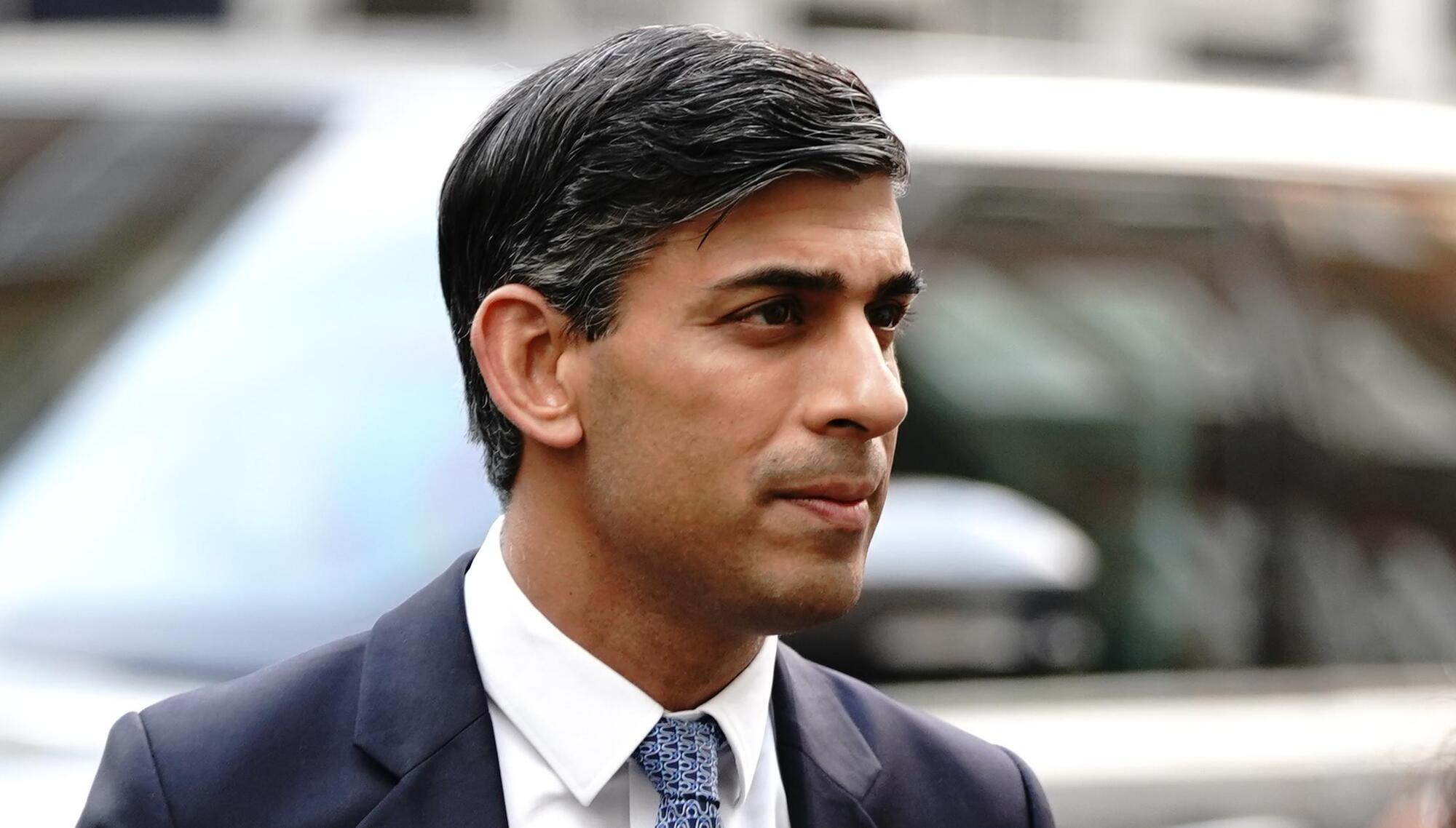
British prime minister Rishi Sunak will be contesting a general election expected to be held next year against a bleak economic backdrop.
UK households drew down savings and repaid mortgages for the first time on record in the first three months of the year as living standards deteriorated once again in the face of soaring inflation.
Adjusted for inflation, household disposable incomes per head fell by almost 1%, the Office for National Statistics said. Living standards have now shrunk for five of the past six quarters. They briefly improved at the end of last year when families received the first direct payments from the government to help with their energy bills.
With interest rates rising, households paid down their mortgages by £5.2bn, a record quarterly amount, and reduced their savings for the first time since records began in 1987 while also shifting money into higher interest fixed savings accounts.
GDP rose an unrevised 0.1% in the first three months of the year. It leaves Britain along with Germany as the only Group of Seven countries that have yet to fully recover output lost during the pandemic.
The figures show the unusual measures to which households are resorting as borrowing costs rise. “As government support fades, real household incomes are unlikely to grow by much this year,” said Ashley Webb, UK economist at Capital Economics.
Hopes that the economy might dodge a recession are receding fast as lenders push up borrowing costs in anticipation of further rate increases from the Bank of England in its struggle to tame stubbornly high inflation.
It raises the possibility that prime minister Rishi Sunak, whose Conservative Party is trailing the Labour opposition by double digits in opinion polls, will be contesting a general election expected to be held next year against a bleak economic backdrop.
"Households took money out of their savings accounts at a record level while the amount of new mortgage and re-mortgage borrowing fell,” Darren Morgan, ONS director of economic statistics, said.
The findings are supported by Bank of England data earlier this week showing that households paid back more of their mortgage debt than they borrowed for a second straight month for the first time ever.
The saving ratio, the proportion of income left over after spending on goods and services, fell to 8.7% from 9.3%, partly driven by an increase in taxes. Disposable income per head was 1.1% lower in the first quarter than a year earlier.
GDP was held back in the first quarter by widespread public-sector strikes over pay and the cost-of-living squeeze. Government services including health and education contracted, while consumer spending flatlined.
There was better news on business investment, which returned to pre-pandemic levels for the first time after jumping 3.3%, a large upgrade on the previous estimate of a 0.7% increase. The ONS said there is anecdotal evidence that companies rushed to bring forward spending to take advantage of the super deduction, which allowed firms to cut their tax bills if they ramped up investment, before it expired.
CONNECT WITH US TODAY



Be the first to know the latest news and updates