Germany earmarks €900m in subsidies for e-charging points
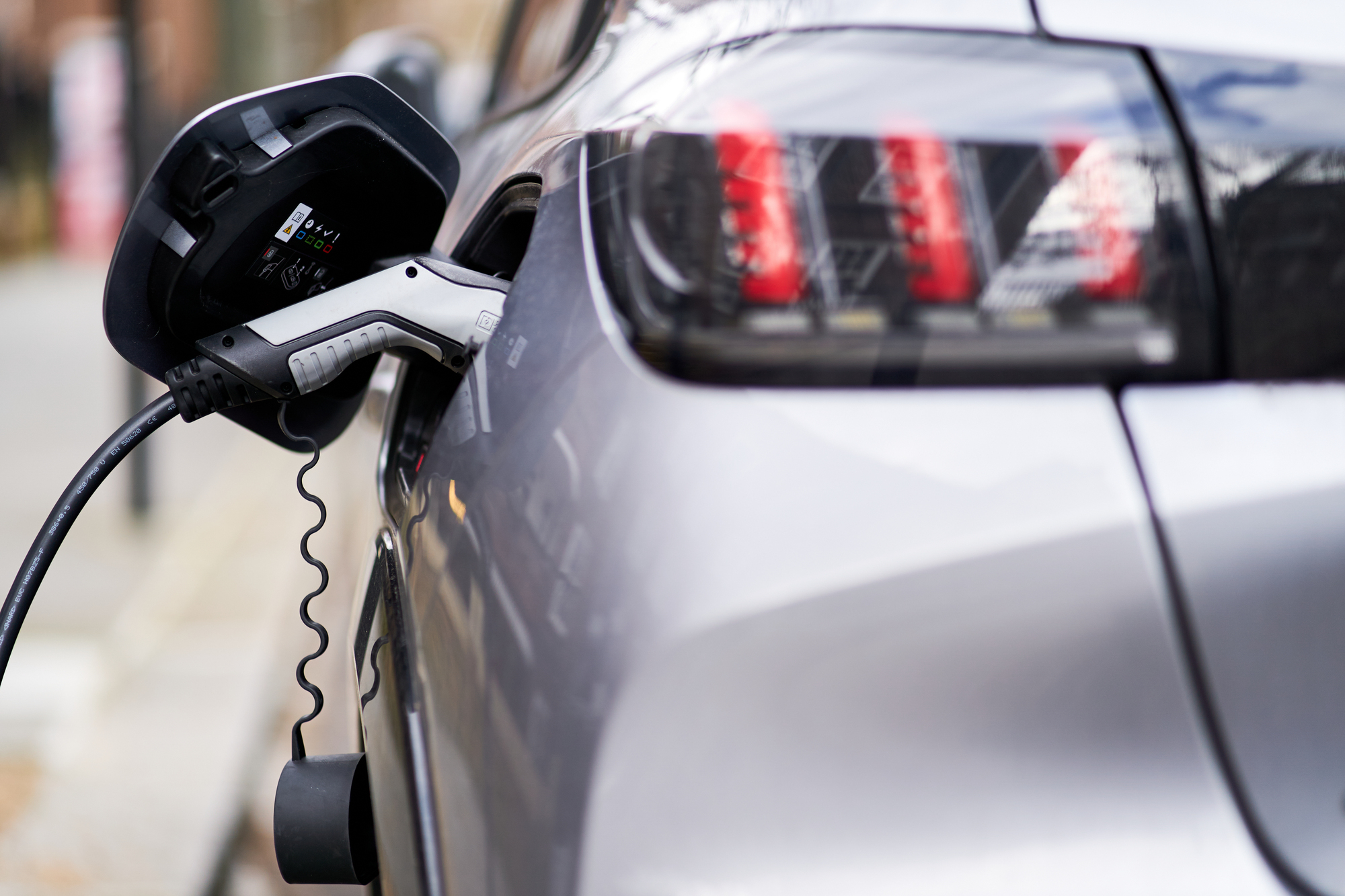
The German transport ministry says it will soon launch two funding programmes to help households and companies in building charging stations with their own power supply.
Germany is to earmark up to €900m in subsidies to expand electric-vehicle charging stations for households and companies, the transport ministry has said. Europe’s biggest economy has about 90,000 public charging points and aims to have 1m by 2030 in hopes of boosting growth in electro-mobility as it targets carbon neutrality by 2045.
Germany had around 1.2m fully electric vehicles on its roads by the end of April, well below its goal of 15m by 2030, data from federal motor authority KBA showed. High prices, limited range and a lack of charging stations, especially in rural areas, are seen as the main reasons for the lag in electric vehicle sales.


Read

Listen

Watch

Play
CONNECT WITH US TODAY



Be the first to know the latest news and updates




The Business Hub
Newsletter

News and analysis on business, money and jobs from Munster and beyond by our expert team of business writers.
The Business Hub
Newsletter
News and analysis on business, money and jobs from Munster and beyond by our expert team of business writers.

Lunchtime News
Newsletter
Get a lunch briefing straight to your inbox at noon daily. Also be the first to know with our occasional Breaking News emails.
Revoiced
Newsletter
Had a busy week? Sign up for some of the best reads from the week gone by. Selected just for you.
Most Read
Monday, October 5, 2026 - 8:00 AM
Monday, October 5, 2026 - 8:00 AM
Monday, October 5, 2026 - 8:00 AM