Eamon Quinn: State's consumer guardians not designed for the job
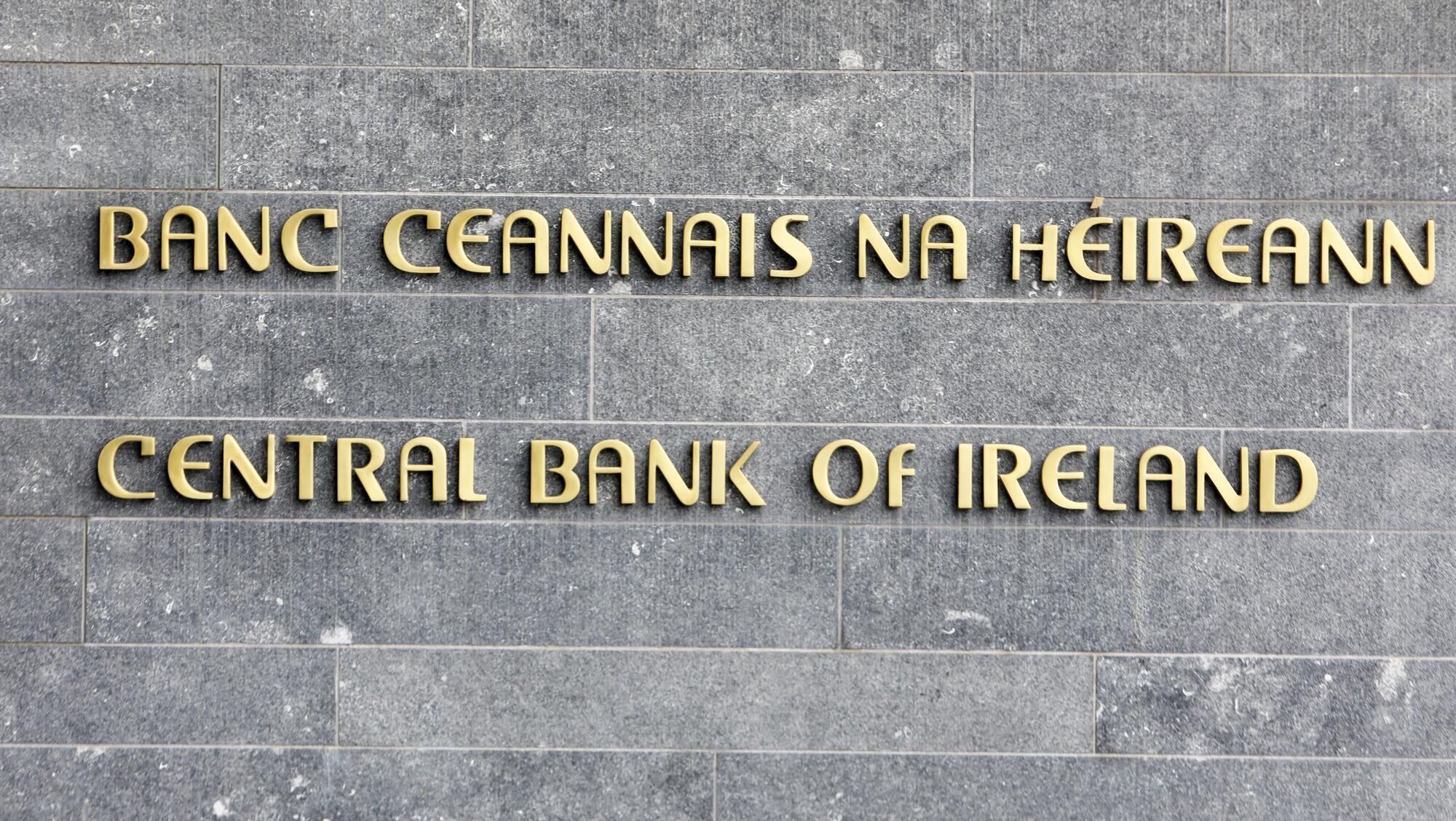
The Central Bank must ensure that Irish banks under its watch will never again threaten to topple the single currency, but it also has a remit to protect consumers, a dual mandate that many critics believe is impossible to achieve.
Periods of high inflation come around seldom enough that the lessons of previous eras can too easily be forgotten. Twenty years ago, prices were surging as the banks pumped up credit and companies cashed in. The Rip-off Republic moniker was coined.
The current cost-of-living crisis was created after global economies rebounded from their pandemic lockdowns and then faced the financial fallout from the outbreak of war in Europe. The crisis has similarities with the oil supply shocks of the 1970s.
But all eras of high inflation have this in common: The phenomenon that companies are quick to pass on spikes in their wholesale or market prices, but are a good deal slower in passing on gains when wholesale price pressures ease.
The phenomenon is so established that it gets its own name no matter where you land in the world. Companies seek to preserve profit margins and their returns to shareholders, which after all is what they are designed to do in a market economy.
The European Central Bank (ECB) president dismayingly talks about inflation staying "too high for too long", referring to stubbornly high levels of inflation across the eurozone, still running at 7%, and insisting there is more road to travel despite it aggressively hiking interest rates since last summer.
The American central bankers express the draining effects of inflation much better: Inflation is known "to shoot up like a rocket and come down like a feather”, according to a prominent US Federal Reserve banker.
Experience teaches us that price pressures can be dangerous in Ireland, where 20 years ago the reputation for the State having one of the highest levels in Europe in energy and food prices was first being made.
The Central Bank is first and foremost part of the ECB system and the guardian of the Irish banking system.
Its primary purpose is to ensure that Irish banks under its watch will never again threaten to topple the single currency, as they did over a decade ago. The Central Bank also has a remit to protect consumers, a dual mandate that many critics believe is impossible to achieve.
The Commission for Regulation of Utilities (CRU), which is billed as Ireland’s independent energy and water regulator, has a longer pedigree. But it too has something of a mixed mission.
And in one of the most bizarre decisions, the Competition and Consumer Protection Commission, or CCPC, was set up in 2014, its awkward name getting to the heart of the problem with consumer watchdogs in the State.
The argument of the then Fine Gael and Labour Party coalition was that collapsing the National Consumer Agency into a super authority would bring expertise under the one roof.
Critics say all regulatory agencies are staffed by officials who by the nature of such things cannot act as forceful spokespeople for consumers. Governments palm off consumer matters knowing that regulatory agencies they set up were not designed to be forceful advocates.
What the State needs is an independent consumer voice that focuses on households on fixed incomes and low incomes.
One of its remits should be to keep reminding banks they are monopolies by dint of licenses awarded by the State.