Oliver Mangan: Sweet spot means we can tackle housing and services constraints
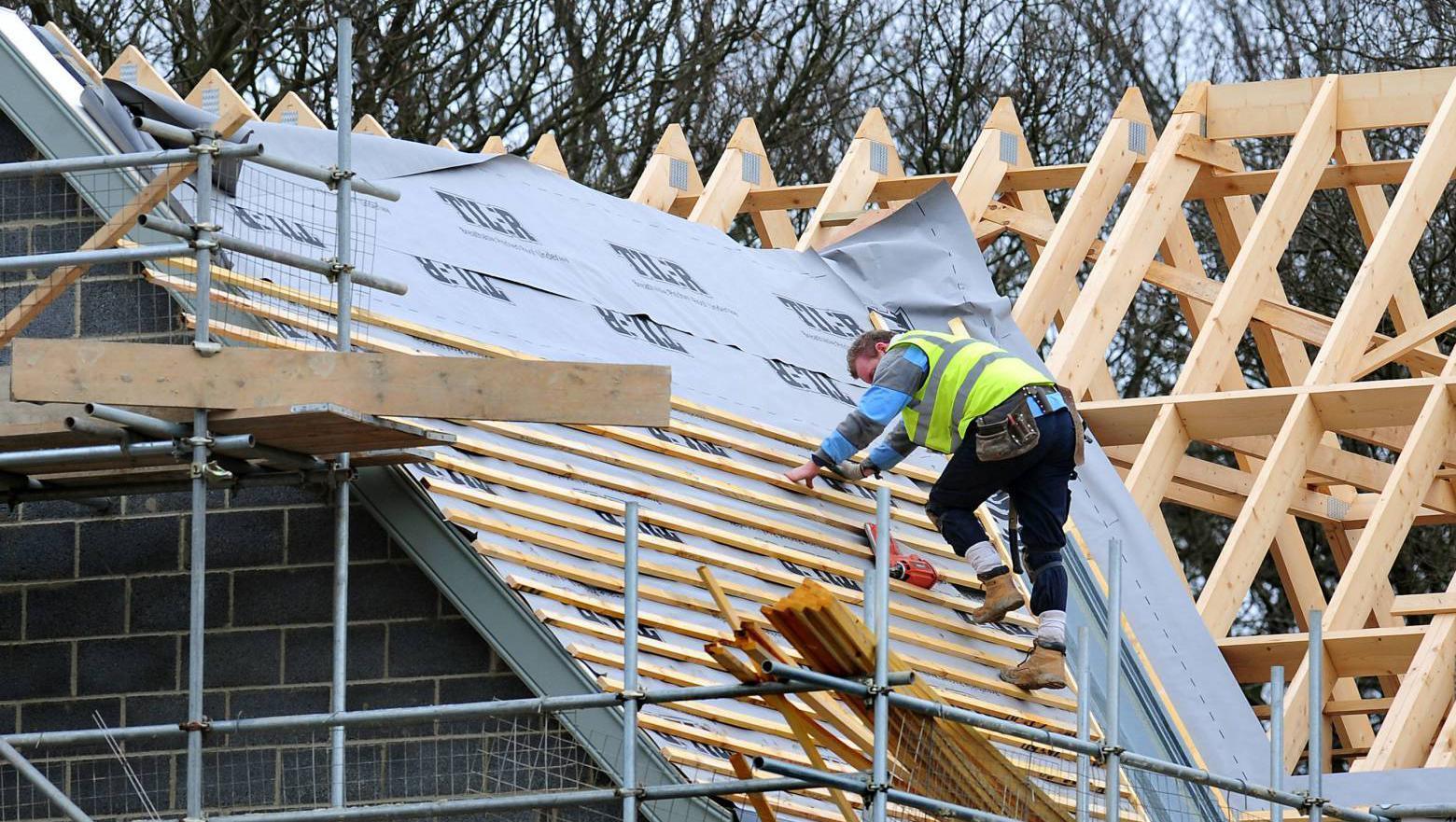
A key issue facing the economy is capacity constraints, most notably the very tight labour market, the acute shortage of housing, and growing pressures on public infrastructure and services.Â
Despite the shocks of a sharp rise in inflation, higher interest rates, and a marked slowdown in the global economy, there has been a stream of good news for the Irish economy. Â
Data published for the opening quarter of the year show a very strong growth in tax receipts, a sharp jump in new car sales, and unemployment remaining very low, as well as a pick-up in purchasing managers' activity indicators. As anticipated, however, early estimates for first quarter GDP point to a marked slowdown in growth in 2023 from 2022.
Nonetheless, with data remaining strong, there have been a raft of upgrades to Irish growth forecasts, most notably from the Central Bank, the Economic and Social Research Institute, and the Department of Finance. GDP is now seen expanding by circa 5.5% this year, and the domestic economy is seen growing in a range of between 2.5% to 4% in the next couple of years.Â
Unemployment is also projected to remain very low at 4.5% over the next three years, and inflation is seen falling back to around 2%. The Government's budget surplus is projected to double from €8bn last year to €16bn in 2024. Altogether, this is very much a sweet spot.Â
Underpinning the Irish economy’s strength and resilience are very strong financial fundamentals: Ireland has been transformed into a low debt and high savings economy. There has been an enormous amount of deleveraging following the financial crisis, and the household savings ratio has risen to over 20%.Â
The public finances have seen a return to large and rising budget surpluses. High savings ratios are also resulting in very large balance of payments surpluses, projected at 11% of GDP this year by the Department of Finance.
The strength of the public finances means the Government has been able to use policy to cushion the impact of the pandemic and cost-of-living crises. Combined with record levels of inward investment, this has laid the basis for the recent very strong growth performance of the economy.
A key issue facing the economy is capacity constraints, most notably the very tight labour market, the acute shortage of housing, and growing pressures on public infrastructure and services.Â
The emergence of a large budget surplus and high levels of savings means Ireland has the scope to take measures that can ease capacity constraints. This would help lay the basis for continuing strong growth in the economy.