Two in five mortgage-holders likely to be insulated from rate hikes in the short-term
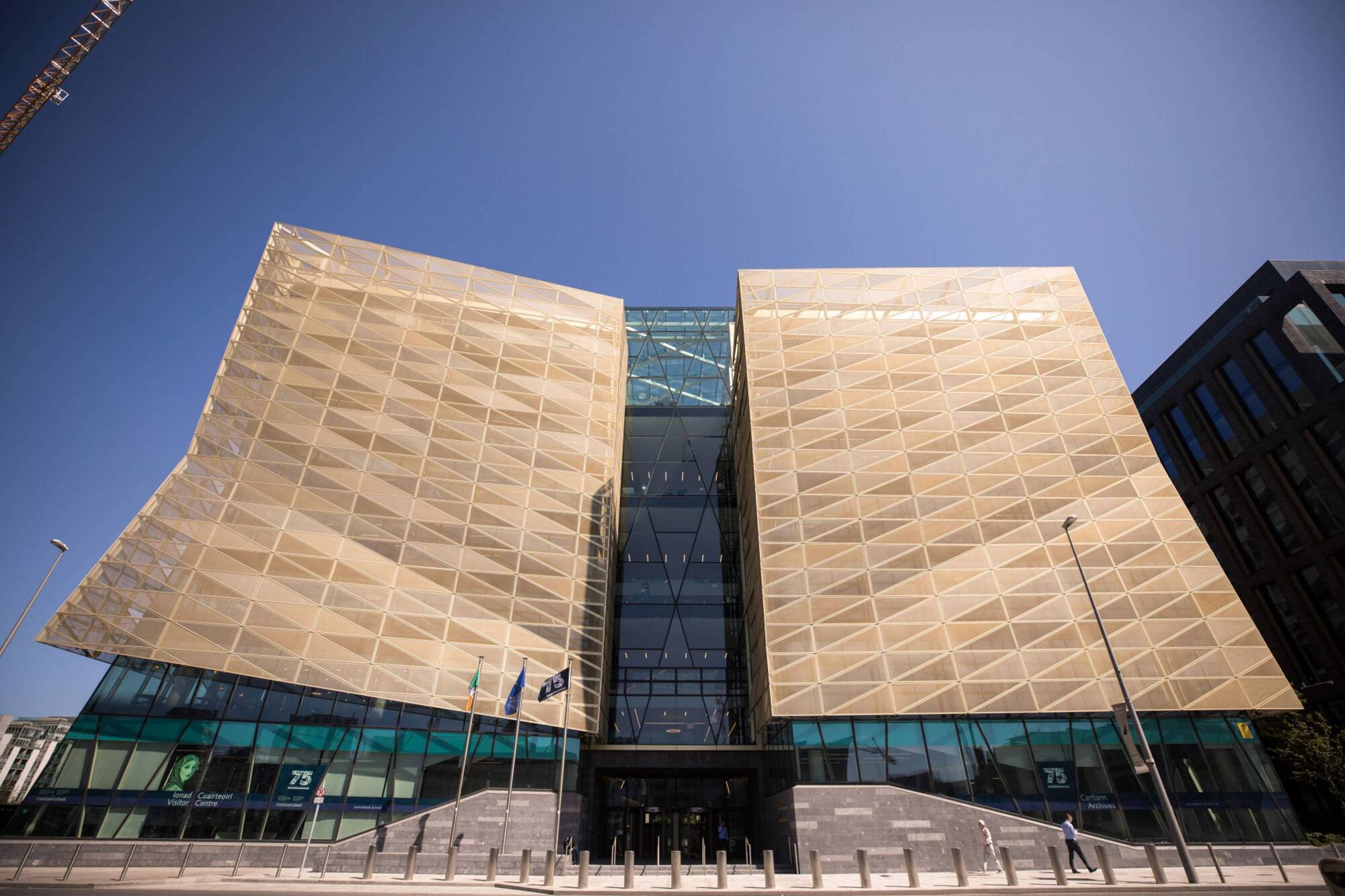
Research from the Central Bank of Ireland also shows mortgages most exposed to interest rate hikes could see repayments jump as much as 50%. Picture: Jason Alden/Bloomberg
Up to two in five mortgage-holders in Ireland are likely to be insulated from repayments increases until the end of 2023, following the European Central Bank's series of interest rate hikes, research from the Central Bank of Ireland shows.
However, those with mortgages most exposed to interest rate changes could see repayments jump between 41% and 50% by the end of the year compared to June 2022.

Interest rates in the eurozone have increased by 3.5% since July last year with the European Central Bank expected to increase rates again by 0.25% when it meets again early next month. Further rate hikes are also anticipated over the coming months.
The research by the Central Bank, published on Wednesday, found that due to the high rate of fixed rate mortgages in Ireland âup to two-fifths of all mortgage-holders are likely to have experienced no increase in repayments by the end of 2023â.
âWe use data on mortgage fixation of contracts to estimate that, of the current stock of loans, three in 10 will be insulated from higher interest rates by end-2024, and around one-fifth will be insulated by end-2025, under the assumption that they do not take action and instead revert to variable rates at the end of their fixation period,â the report said.
The research conducted its analysis under two scenarios â ECB interest rates remaining at 3.5% and increasing to 4.25% by the end of the year. The average repayment increase was 13% to 16% across the two scenarios.
However, among the mortgages most exposed to interest rate hikes, which includes tracker, interest-only borrowers and mortgages with longer terms to maturity, repayments could increase by between 41% and 50%.
The research said the most-exposed group had significantly smaller monthly repayments and interest rates in June 2022 and the result of the repayment change would be âan equalisation of repayments across cohortsâ.
The most exposed customers were most likely to have taken out their loans between 2004 and 2008.
Whether the increase in monthly repayments would lead to an increase in arrears and default was beyond the scope of the research as it will depend on how the borrowerâs income has changed since the loan was taken out and their accumulated savings.
The research also highlighted the importance of switching and new loans starting on fixed interest rates which could help protect 60% of these mortgages in the short-term and 41% until December 2024 or later.
Derville Rowland, deputy governor at the Central Bank in charge of consumer and investor protection, said they were âacutely awareâ of the challenges facing borrowers given rising interest rates and the cost-of-living crisis.
âThe regulatory framework should support consumers looking to switch mortgages or facing difficulties in meeting their repayments, and these measures should operate effectively. Key to this is early engagement by firms so they can respond to the needs of their customers in a timely way.
âWe at the Central Bank will continue to ensure that firms meet their responsibilities in this regard,â she said.
According to the research, as of December 2022, there were 712,145 home mortgages in Ireland and a further 76,304 buy-to-let mortgages. Combined, these amount to âŹ111bn of outstanding loan balances.