China car parts makers join Apple in offshore factory push as US trade tensions flare
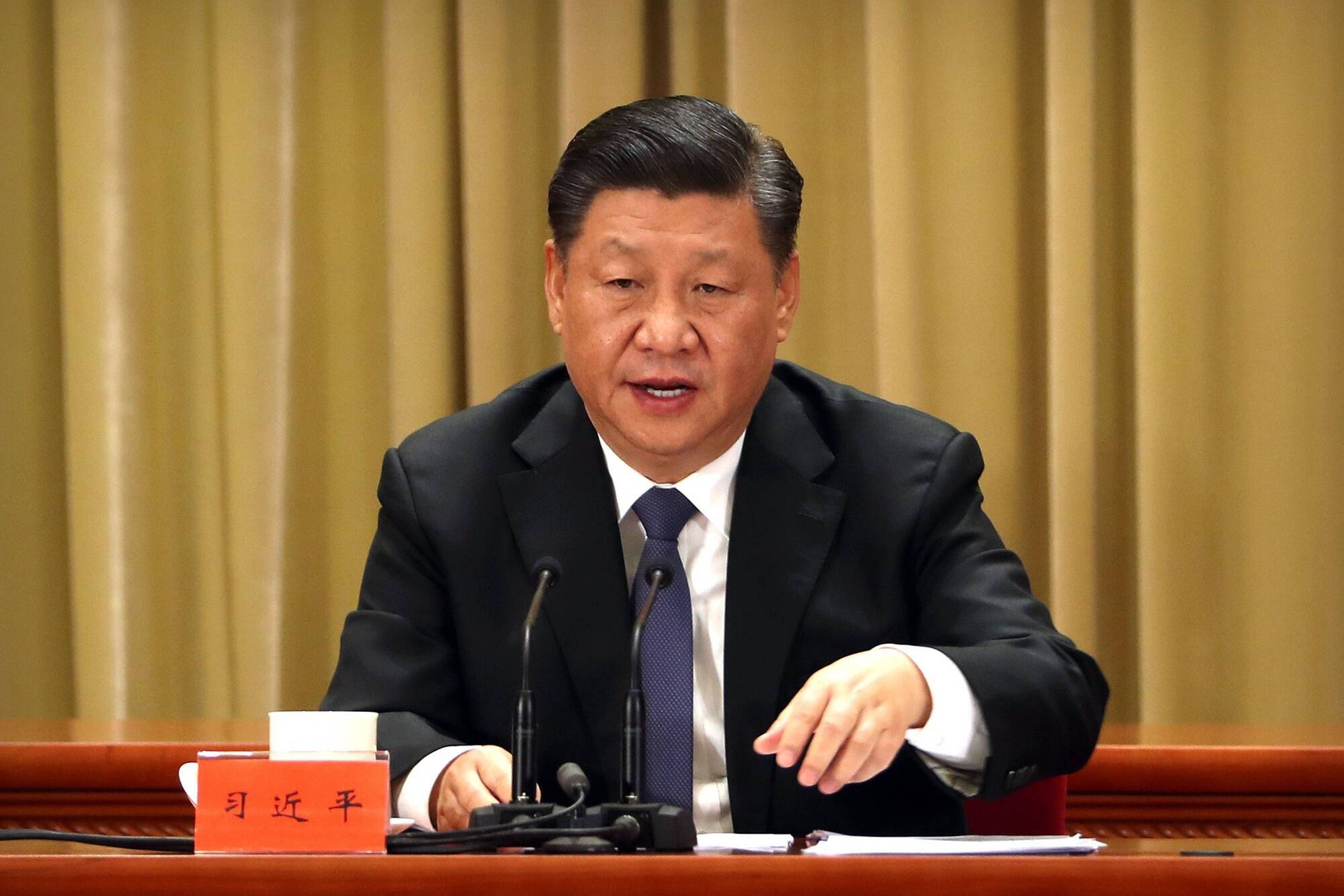
While some names like Airbus and Tesla are doubling down, the shift is an increasing threat to China’s status as the world’s factory and its bid to regain the trust of global business amid the unpredictability of president Xi Jinping’s rule.
Chinese car parts makers are facing growing pressure from overseas customers to set up factories outside the country as mounting trade tensions and three years of pandemic lockdowns make them wary of relying too heavily on China.
Carmakers from Europe and elsewhere are making direct overtures to manufacturers of everything from cooling components to brake systems and auto charging parts, pressing them to establish plants in places like Vietnam and Indonesia so they can still benefit from their expertise and long-held relationships but avoid the risks China poses right now.
While some names like Airbus and Tesla are doubling down, the shift is an increasing threat to China’s status as the world’s factory and its bid to regain the trust of global business amid the unpredictability of president Xi Jinping’s rule.
For one manager at a Jiangsu-based maker of electric car charging components, the pressure is crystal clear. When his key European client visited for the first time after China ended its covid zero restrictions, the first thing he asked about was the company’s plans to set up an overseas plant, voicing his concerns about rising tensions between China and the West.
On the taxi ride from the airport to the factory, the manager and his client agreed to visit Vietnam and Thailand to scout for opportunities. “I don’t even like taking planes,” said the manager, who didn't want to reveal his employer or main customer.
It’s not just auto parts makers feeling the pressure of what has come to be known as China+1: The push to establish at least one factory outside the home base of China.
Most notably, Apple and its suppliers are moving production out of the country. Foxconn plans to invest about $700m on a new plant to make iPhone components in India, while AirPods maker GoerTek is injecting an initial $280m into a new Vietnam facility and considering expanding in India.
“Firms are moving away from a cost-driven strategy to a resilience-driven strategy,” said Ben Simpfendorfer, a partner at Hong Kong-based consultancy Oliver Wyman.
“The resilience is by adding an extra factory or more in a different part of the world,” he said, adding the pandemic and trade tensions have brought into sharper focus the fragility of global supply chains.
China’s Sunrise Technology, which supplies electrical components to German car parts maker Robert Bosch and Japan’s Panasonic, has already established a plant in Vietnam.

CONNECT WITH US TODAY



Be the first to know the latest news and updates