'Forever chemicals' may face ban in EU
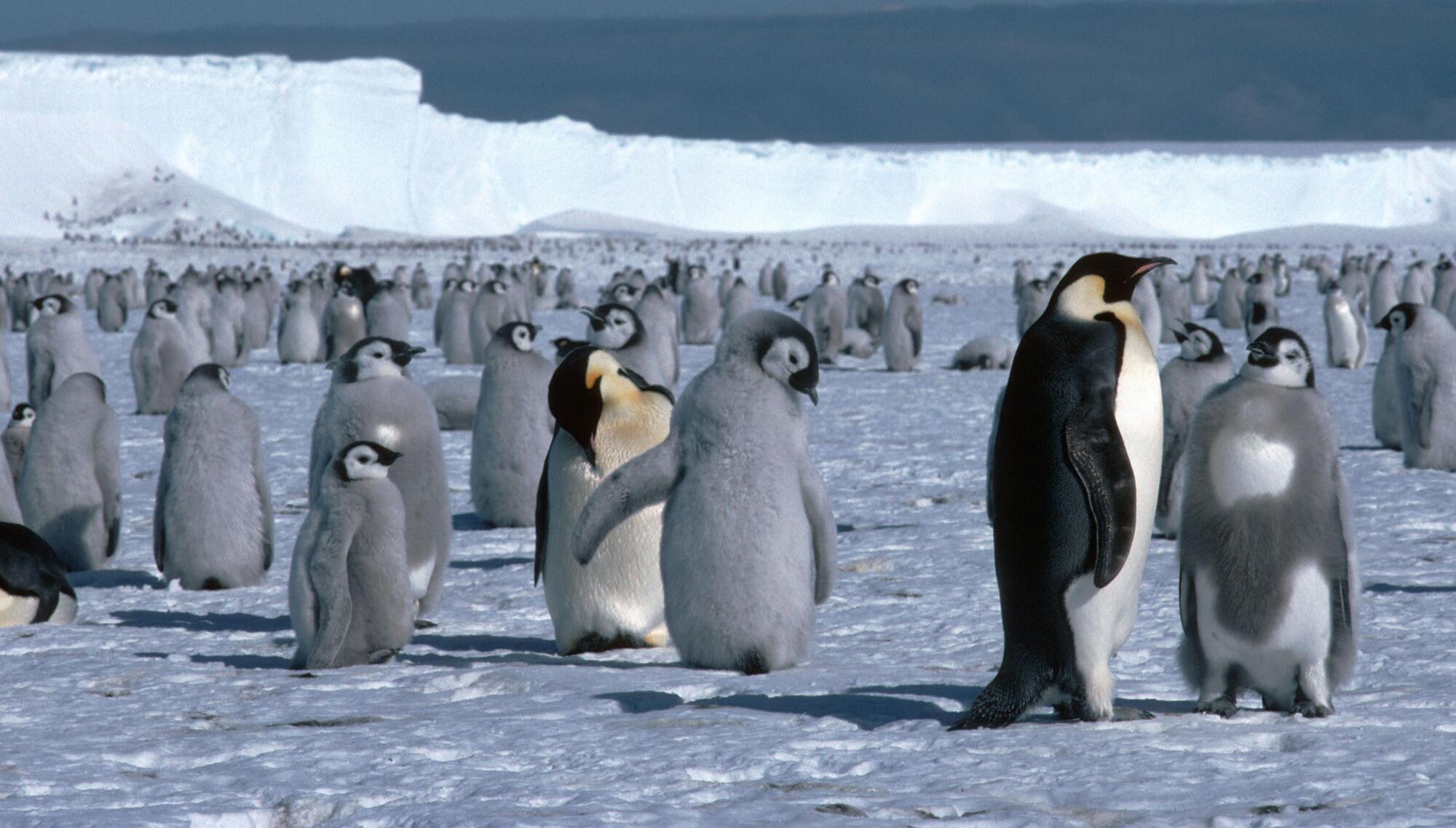
Speaking at a media briefing in Brussels, Audun Heggelund of the Norwegian Environment Agency, said: "You can find PFAS in penguins in the Antarctic, in polar bears in the Arctic, even in rain water in Tibet."
The EU has started to consider a proposal to ban widely used substances known as PFAS or "forever chemicals" in what could become its most extensive piece of regulation of the chemical industry.
The chemicals have been used in tens of thousands of products including aircraft, cars, textiles, medical gear and windmills due to their long-term resistance to extreme temperatures and corrosion, but PFAS have also been linked to health risks like cancer, hormonal dysfunction and a weakened immune system as well as environmental damage.
The moniker "forever chemicals" stems from their ability to accumulate in water and soils because they do not decompose as a result of an extremely strong bond between carbon and fluorine atoms that characterise them.
The five countries — Germany, the Netherlands, Denmark, Sweden and non-EU state Norway — which have been collaborating on the proposal said in a joint statement that, if passed, it would become "one of the largest bans on chemical substances ever in Europe".
"A ban on PFAS would reduce quantities of PFAS in the environment over the long term. It would also make products and processes safer for humans," they added.
Once the ban is in force, companies will be given between 18 months and 12 years to introduce alternatives to the more than 10,000 PFAS affected, depending on the availability of alternatives, according to the draft proposal.
Makers and users of PFAS, which have formed a lobby subgroup under the European chemical makers' association CEFIC, include BASF, Bayer, De Solvay, Merck, and Synthomer.
"In many cases, no such alternatives currently exist, and in some they possibly never will," the five countries said, adding that companies now need to start to find substitutes. Waterproofing agents for textiles are among the easiest to replace, with paraffin wax for instance, but no substitutes are currently available for use in some medical devices such as pacemakers, the dossier showed.
Speaking at a media briefing in Brussels, Audun Heggelund of the Norwegian Environment Agency said they are now detectable across the globe. "You can find PFAS in penguins in the Antarctic, in polar bears in the Arctic, even in rain water in Tibet," he added.
The new regulation would likely take effect in 2026 or 2027, according to the dossier. A certain number of pharmaceuticals, animal health products, crop protection chemicals and disinfectants would be exempt.