ECB sees wage growth ahead as more rate hikes planned
Eurostat said the unemployment rate in the 20 countries now sharing the euro in November 2022 was 6.5% of the workforce
ECB sees wage growth ahead as more rate hikes planned

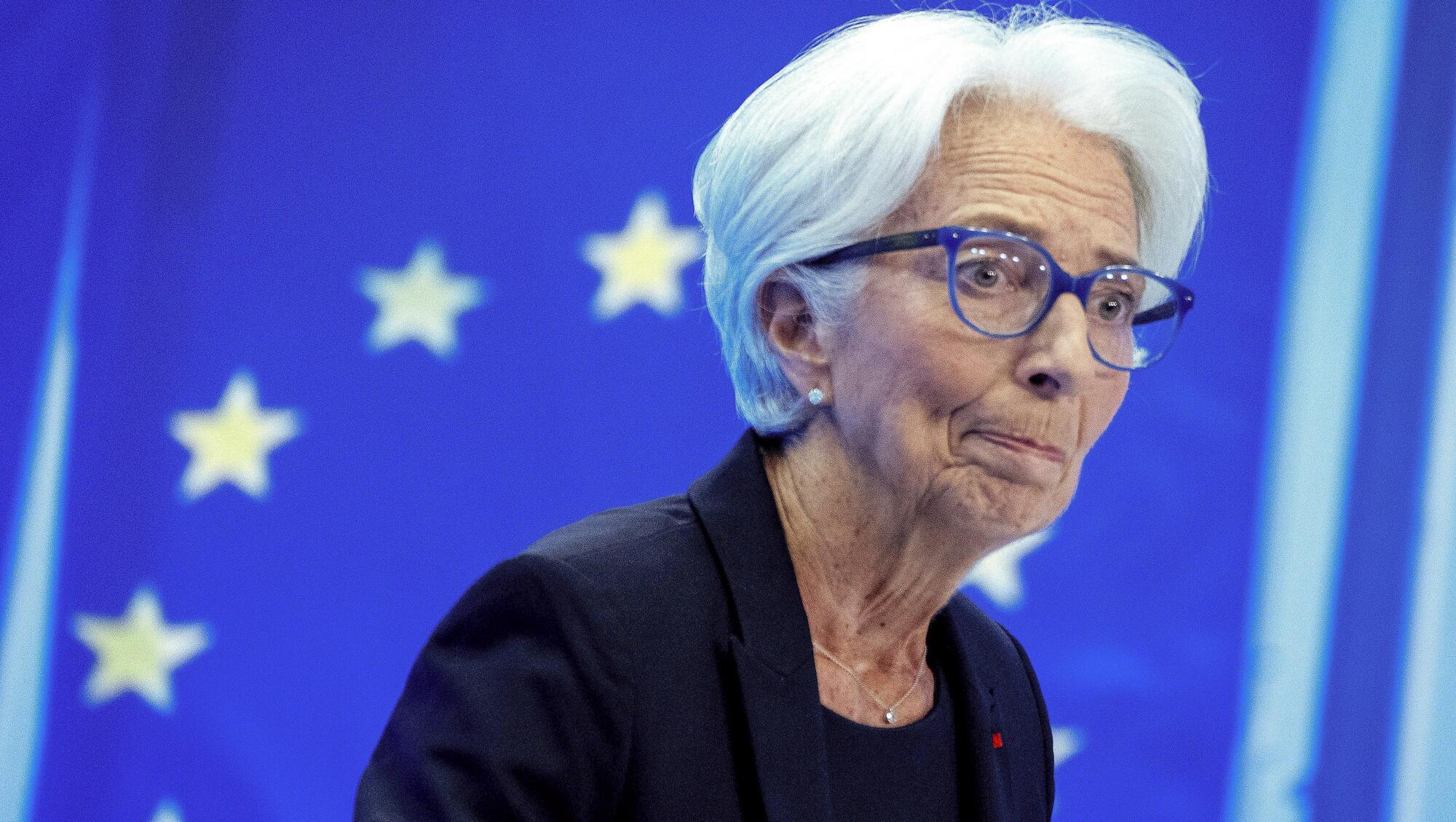
European Central Bank President Christine Lagarde has flagged another half-point hike at February’s meeting — “and possibly at the one after that” — to avoid a wage-price spiral. File photo: AP/Michael Probst

The European Central Bank predicts wage growth — a key indicator of where inflation is headed — will be “very strong” in the coming quarters, strengthening the case for more interest rate hikes.

A study of salary developments since the start of the pandemic shows underlying pay growth has been “relatively moderate” and is currently close to its long-term trend, the institution said in an article to be published in its Economic Bulletin.

Even so, “looking ahead, wage growth over the next few quarters is expected to be very strong compared with historical patterns,” it said. “This reflects robust labour markets that so far haven’t been substantially affected by the slowing of the economy, increases in national minimum wages and some catch-up between wages and high rates of inflation.”

Price gains have exceeded the ECB’s 2% goal for the past one-and-a-half years and surged above 10% in late 2022. While inflation has since come off its peak, an underlying gauge that excludes volatile items like food and energy hit a record high in December.

With forecasts showing 2% inflation will be elusive until end-2025 and trade unions pushing for generous compensation packages, the ECB has delivered an unprecedented series of rate increases that took the deposit rate to 2% last month.

President Christine Lagarde has flagged another half-point hike at February’s meeting — “and possibly at the one after that” — to avoid a wage-price spiral. Weaker economic growth is unlikely to help much in the near term, particularly as a shortage of skilled labor encourages businesses to retain workers and pay them well.

It will take several years for salaries to fully adjust to recent shocks, according to ECB Chief Economist Philip Lane, who’s argued that monitoring pay will form a large part of understanding the inflation trend.

In its article, the ECB said “there are signs of stronger wage growth in services sectors,” primarily in those lacking staff. It also said that “beyond the near term, the expected economic slowdown in the euro area and uncertainty about the economic outlook are likely to put downward pressure on wage growth.”

Separately, the eurozone's unemployment rate was unchanged at a record low in November as expected, with the absolute number of people without jobs falling slightly further, the European Union's statistics office Eurostat said on Monday.

Eurostat said the unemployment rate in the 20 countries now sharing the euro in November 2022 was 6.5% of the workforce, the same as in October and in line with forecasts by economists polled by Reuters.

In absolute terms, however, the number of people without jobs fell to 10.849 million in November from 10.851 million in October in a sign the labour market was still tightening despite economist forecasts of a technical recession from the last quarter of 2022.

Bloomberg and Reuters

x

More in this section

The Business Hub

Newsletter

News and analysis on business, money and jobs from Munster and beyond by our expert team of business writers.

Cookie Policy Privacy Policy Brand Safety FAQ Help Contact Us Terms and Conditions

© Examiner Echo Group Limited