John Fahey: Growth in house prices and rents likely to slow despite continuing shortages
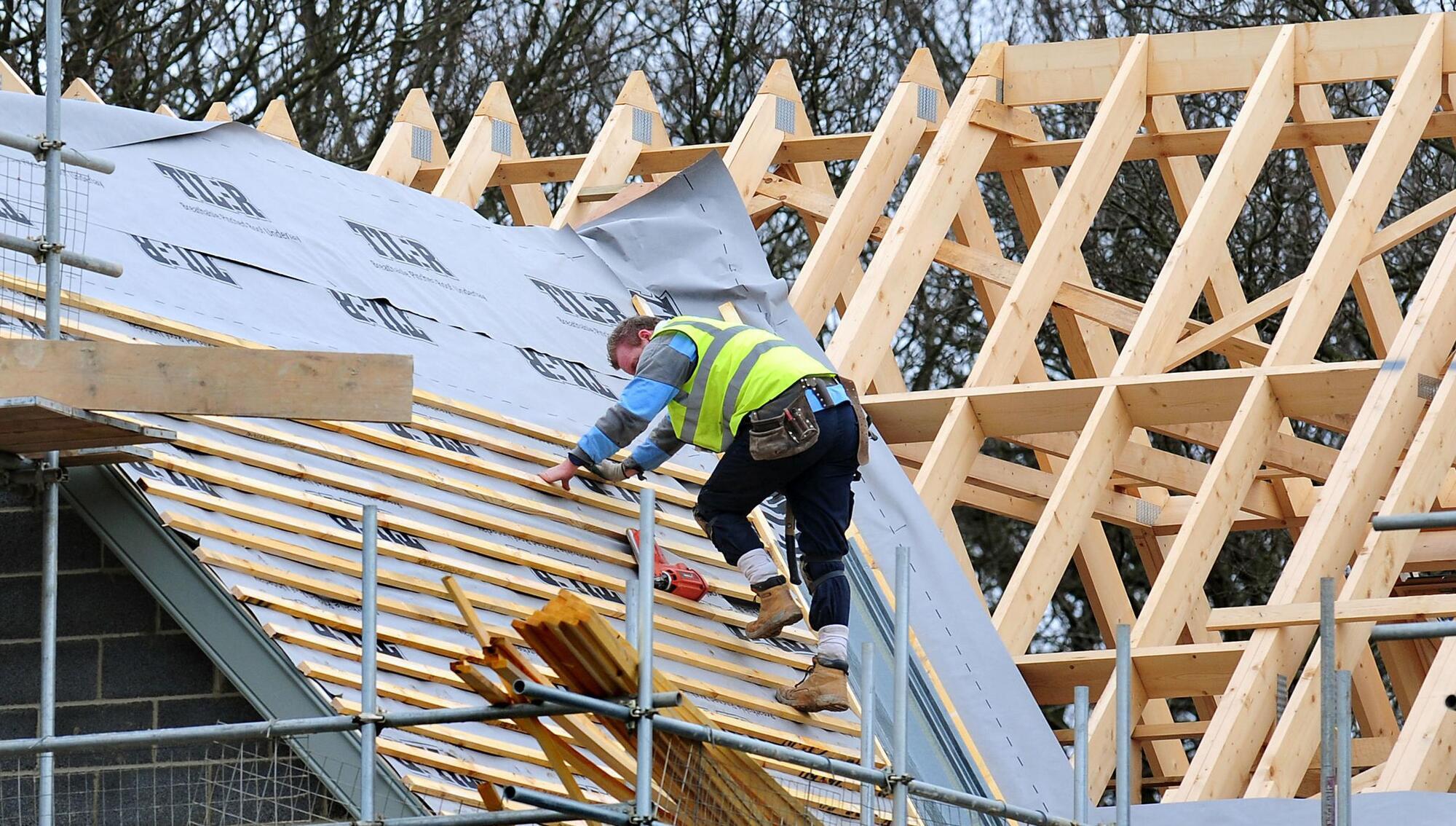
A shortfall in housing supply will continue to be the defining characteristic of the Irish residential property market in 2023

The Irish residential property market has been characterised by marked upward pressure on prices and rents over the past couple of years. However, there have been signs in the autumn that the sharp rate of increase in house prices and rents is moderating.
The year-on-year growth rate provides evidence of a deceleration in house price inflation, albeit while still remaining at an elevated level. In October, the annual growth rate slowed to 9.8% from 10.7%, which compares with a peak of 15% in the early part of 2022.
Meantime, the geographical breakdown of the data showed a continuation of the trend where the rate of increase in prices outside of Dublin has been growing faster, a feature of the property market since mid-2015.
Meanwhile, the pace of increase in rents is also moderating, with the annual rate of growth running at 11% in November, down from a recent peak of 12.9% in July.
The persistent supply shortfall in housing has been the key factor underpinning the sharp increase in prices and rents over the past two years.
Based on underlying demographics, the economy needs at least 30,000 new units to be built each year. Given that new supply has been running well below this level, it means significantly more than 30,000 units are required on an annual basis to satisfy pent-up demand as well.
In terms of supply, the pandemic restrictions in effect stalled the gradual upward momentum in residential building activity that had been in place since 2014. New supply flatlined at around 21,000 units a year in the 2019-2021 period.
Recent data on completions indicate there was a renewed uplift in activity last year. As a result, new housing supply is on track to register a total of about 28,000 units for the full year in 2022.
However, forward looking supply indicators suggest a loss of momentum in building activity: The latest data show new housing starts have fallen below the 27,000 level on a 12-month cumulative basis.
Meanwhile, the housing component of the Purchasing Managers' Index for the construction industry has also weakened.
Elsewhere, planning permissions data in the third quarter of 2022 were noticeably lower in year-on-year terms, due to a fall-off in apartment activity.
Taking on board these raft of indicators, it seems likely that new supply will not be able to maintain its 2022 levels in the coming year. Indeed, the Economic and Social Research Institute, or ESRI, forecasts that completions will fall back to 26,000 units in 2023.
For this reason, the issue of a shortfall in supply will continue to be the defining characteristic of the Irish residential property market in 2023.
Higher building costs, shortages in relation to workers, increased uncertainty regarding the economic outlook, availability of funding, and delays in the planning process are all major headwinds impacting the level of future supply.
The supply issue is a key focus of Government policy, with ambitious targets set out in its Housing for All Strategy. In a recent paper, the ESRI identified a number of initiatives to help improve supply, including increased State investment in housing, greater use of vacant homes, and more diversified production methods.
There are draft proposals before the Cabinet designed to try and improve the planning system. However, new initiatives will take time to formulate and come into effect, meaning there is no quick solution in sight to the housing supply deficit.
The ongoing supply shortfall, large increase in household savings, as well as the strong labour market should help to underpin house prices. Meanwhile, the governor of the Central Bank has said an easing in the mortgage lending rules this year would likely result in some “modest” increase in prices.
Overall though, the recent trend of a moderation in house price and rent inflation is likely to continue as interest rates rise and as the economic growth slows, with high inflation depressing spending power.
Therefore, the coming year is likely to see a further slowdown in house price and rent inflation.
- John Fahey is senior economist at AIB
CONNECT WITH US TODAY



Be the first to know the latest news and updates