Aidan Flynn: Costs are climbing for freight and logistics firms in this latest crisis   
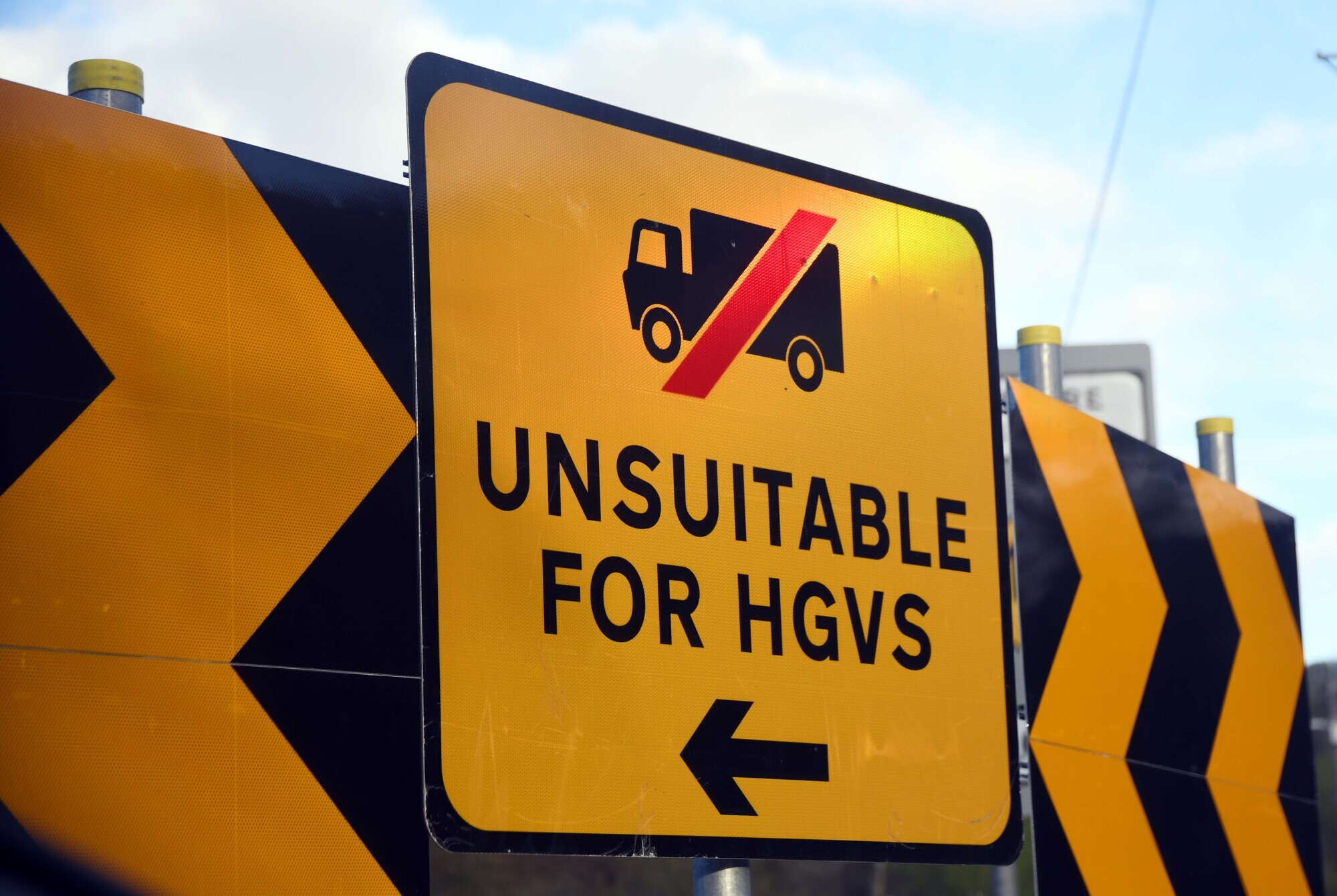
Coming on top of supply chain issues due to Brexit and Covid, the energy crisis has pushed transport overheads up 17.7%
Aidan Flynn: Costs are climbing for freight and logistics firms in this latest crisis   

The 39 action points in Ireland's first road haulage strategy includes setting up a freight forum, a longer trailer trial, and initiatives to encourage young people to enter the industry.  Stock picture: Denis Minihane

The freight distribution and logistics sector has remained buoyant this year and continues to demonstrate resilience in the face of increased costs and the influence of geopolitical challenges that are tempering opportunities for growth.

However, the challenging times for all involved in the supply chain does not look like abating in 2023.

With inflation running at record levels, focusing on operational efficiencies, and nurturing partnerships will be vital to the sustainability of businesses.

The effects of the Covid pandemic will be felt for years to come. The latent impact of this is evident through the realignment of supply chains as businesses seek to resolve security of supply concerns and re-evaluate the just-in-time supply chain model.

Brexit has also tested systems and competencies for trade with our closest neighbour. We have settled into the “new normal” albeit with the reality that there are additional costs to trading with Britain. Industry needs to plan, and we hope that the politicians on both the UK and EU side can resolve issues around the Northern Ireland protocol, which will deliver the promised trade easements and certainty. 

New strategy

The Government has just published the first road haulage strategy for Ireland, a significant milestone for a sector that is critical to efficient supply chains, and one that has often felt underappreciated.

The strategy sets out 39 action points including the establishment of a new freight forum, a longer trailer trial, and initiatives to encourage more young people, and women in particular, to enter the industry.

One of the main objectives of the strategy is to focus on a collaborative approach to support decarbonisation of the freight distribution and logistics sector. We are on the edge of transformational change, which is very exciting, but there is no doubt it will be extremely challenging and costly. The strategy requires major investment in new technologies and an innovative mindset.

For a successful transition, the balance between Government support and market adaption must work.

Current market conditions dictate that flexible strategic planning must be prioritised to aid preparation for a future that will deliver on climate change obligations and protect the viability of businesses into the future. It is important to be judicious in understanding the cost of operations and flexible to deal with the knock-on consequences of rising inflation, increased wage demands, and increased cost of energy.

Dealing with challenges is within the competency of the sector. Supply chains are complex undertakings that extend beyond the scope and capabilities of a single organisation. They rely on strong partnerships and require all partners having empathy and understanding of operational costs.

FTA's cost guide

The recently published Freight Transport Association of Ireland guide for managers to distribution costs highlights that overhead costs have climbed 17.7% in the last year.

Figures from the report demonstrate the effects of external global factors on industry: Rising fuel costs continue to place an unsustainable financial burden on the sector, with fuel now accounting for 41% of total operating costs.

Logistics businesses typically operate on narrow profit margins and the combination of these rising costs — along with maintenance costs which have, on average, increased by almost 12% must be understood and appreciated.

There are other pressures that impact on the ability of business to grow services such as the availability of skilled workers and ability to source new vehicles, with lead times now up to 12 months. This in turn has the knock-on consequence of complicating industry’s ability to move in tandem with Government policy of delivering ambitious decarbonisation targets.

Taking these issues into account, it is important to keep perspective, in that Ireland is at full employment. The industry is continuously reacting to a rapidly changing environment.

  • Aidan Flynn is the CEO of the Freight Transport Association of Ireland

x

CLIMATE & SUSTAINABILITY HUB

More in this section

The Business Hub

Newsletter

News and analysis on business, money and jobs from Munster and beyond by our expert team of business writers.

Cookie Policy Privacy Policy Brand Safety FAQ Help Contact Us Terms and Conditions

© Examiner Echo Group Limited