ECB looks set to slow pace of interest rate hikes next week
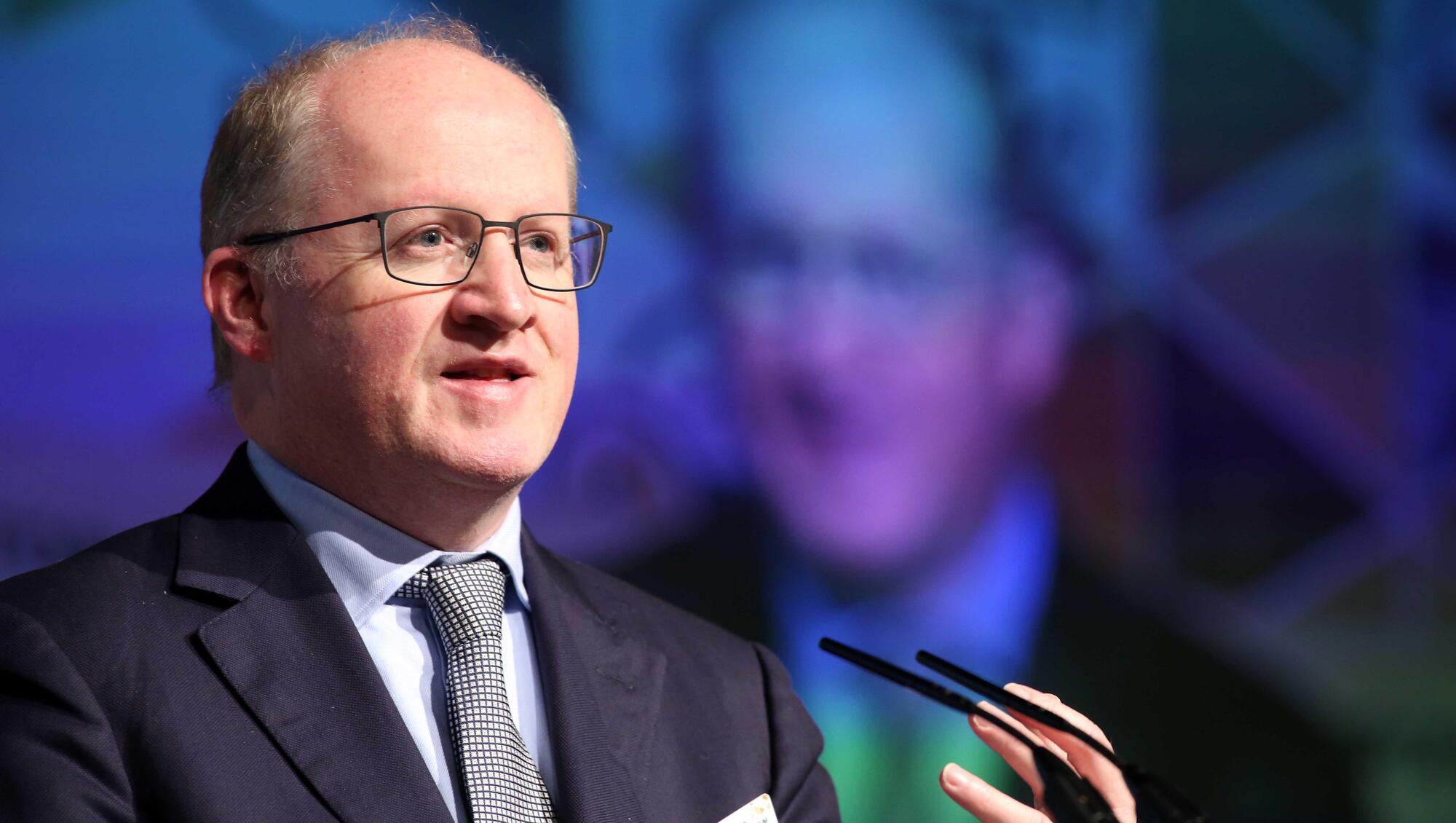
European Central Bank chief economist Philip Lane believes record price growth will start to subside next year.
The European Central Bank meets next Thursday and looks set to slow the pace of aggressive interest rate hikes as inflationary pressures finally show signs of abating.
It has raised rates by a total 200 basis points, or 2%, since July, its fastest pace on record, to contain red hot inflation.
A slowdown in the pace of rate increases may be coming, but the ECB is far from done and markets want to get a sense of where the key 1.5% deposit rate will end up.
"They [policymakers] will keep sounding hawkish and aggressive as they want inflation expectations to remain anchored," said Frederik Ducrozet, head of macroeconomic research at Pictet Wealth Management.
Markets anticipate a 50 basis point, or half point, rate hike after two straight increases of 75 basis points each, slowing the pace of tightening.
But the ECB is likely to stay hawkish and investors will also look for clues on where the deposit rate is going.
Money market pricing suggests rates will peak in June 2023 at about 2.7%, but some reckon the rate will end up higher because underlying price pressures remain strong and expansionary fiscal policy may boost inflation.
Deutsche Bank economists see the terminal rate at 3%, with risks skewed to the upside.
Headline inflation slowed in November for the first time in 18 months, to 10%, raising hopes sky-high price growth has passed.
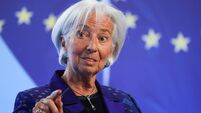
Yet inflation remains above its 2% target. ECB president Christine Lagarde will likely be careful about calling a peak after last year's "big mistake" of insisting surging prices were "transitory," said Pictet's Ducrozet.
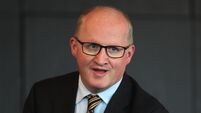
Excluding food, fuel, alcohol and tobacco, inflation is at 5% and pipeline pressures remain abundant. ECB chief economist Philip Lane reckons wages would be a "primary driver" of price inflation even after energy price shocks fade.
Closely-watched business activity data points to a mild recession and latest forecasts should show how the ECB views the coming slowdown.
In September, it forecast 0.9% eurozone growth in 2023, a significant downgrade from its June prediction.
ECB policymakers are divided over the outlook. Mr Lane and Isabel Schnabel, who lead the economic debate on the ECB board, have given contrasting views recently.
Mr Lane believes record price growth will start to subside next year. Ms Schnabel argues the longer inflation is allowed to remain high, the greater the risk it takes root.
Ms Lagarde could be pressed on how she views the sparring between top officials. A compromise could be the outcome.
"With the doves being vocal again, we are looking into a period where hawks will not be the only ones trying to drive the monetary policy, which means that we will see bigger compromises," said Danske Bank chief analyst Piet Haines Christiansen.
Meanwhile, a key part of the policy debate is how the ECB will run down the bonds held on its balance sheet in what is known as quantitative tightening.
• Reuters


CONNECT WITH US TODAY



Be the first to know the latest news and updates