Standard of living falls as cost pressures bite, CSO figures reveal
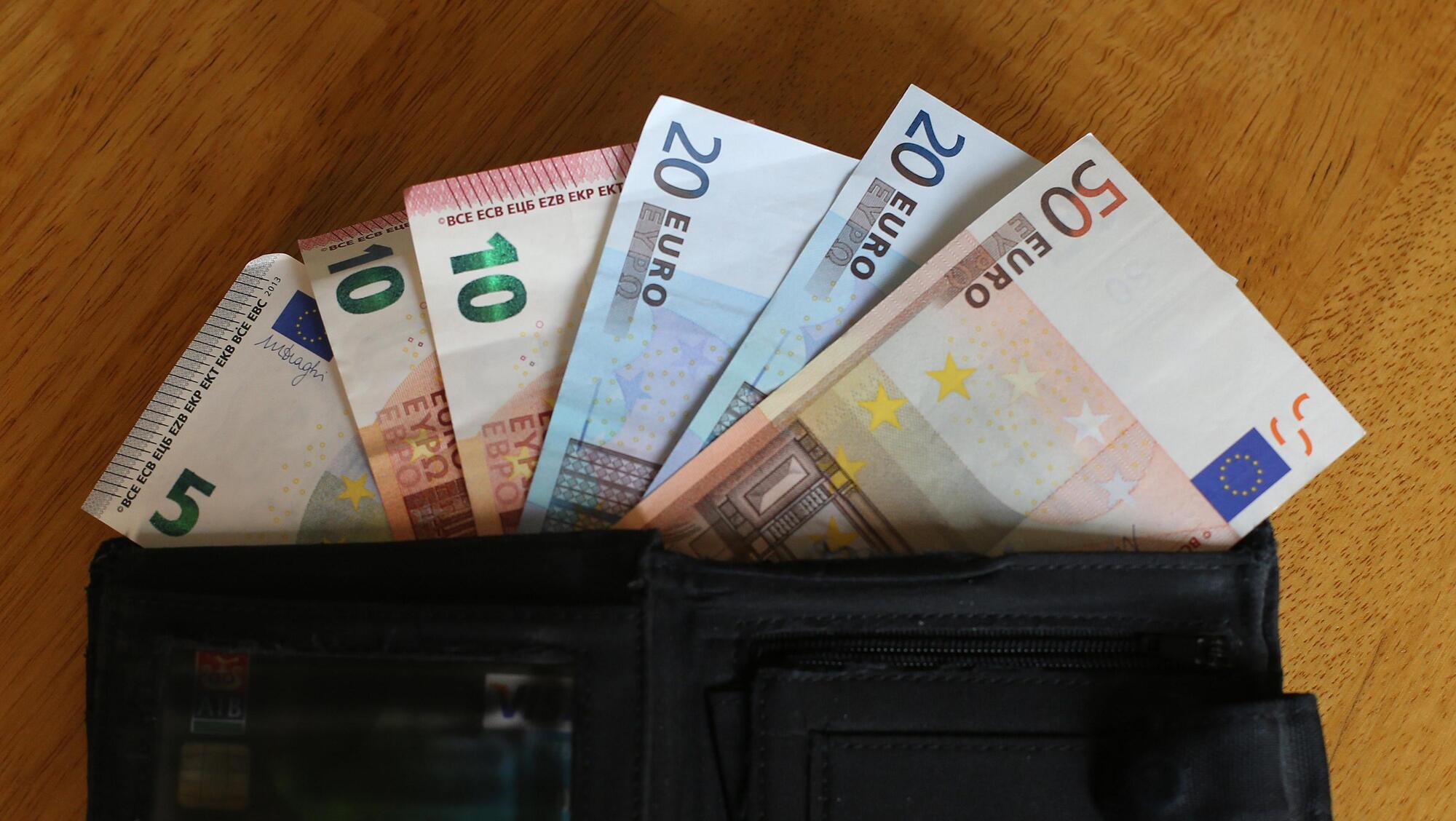
Household income declined by 0.8% during Q3, but household consumption grew partly due to soaring inflation, according to figures from the Central Statistics Office (CSO).
The standard of living for Irish households fell in three of the last four quarters as high prices put pressure on households, latest figures show.
Household income declined by 0.8% during Q3, but household consumption grew partly due to soaring inflation, according to figures from the Central Statistics Office (CSO).
“Real income has declined in three of the last four quarters as price increases have out-paced incomes,” said Peter Culhane, statistician in the national accounts analysis and globalisation division at the CSO.
The figures also showed households have become more conscious about their saving habits since the start of the pandemic as they saved 19% of their income in Q3.
This is down slightly from 20% in Q2, but is still higher than the amount saved by households pre-Covid-19 which was around 10% of disposable income.
“Households have generally decided not to spend their savings, but to continue to add to their assets and reduce their borrowing,” said Mr Culhane.
Investment in dwellings, most of which is by households, grew again this quarter to €3.5bn and is at its highest level since 2008. Households also paid off €200m in loans rather than take out new ones and added €2.4bn to their €145bn deposits in banks.
Before inflation climbed last quarter, household incomes grew. More people in the workforce plus the higher minimum wage contributed to this growth.
The wage bill increased across almost all activities, according to the CSO. Growth was highest in public administration and wholesale and retail jobs.
However, total disposable income among Irish households dropped from a peak in the third quarter in 2021, which was the highest recorded in the 24-month data series, as high prices started to bite even before the winter cold snap and ECB rate hikes put added pressure on mortgage holders.
In September, the CSO’s Consumer Price Index showed a three-month rise of 0.6%. Housing, water, electricity, gas and other fuel; and hotel and restaurant prices were the largest contributors to this increase in the cost of living.
In the CSO's Monthly Services Index for October, the value of services output was nearly 15% higher compared to the same month last year.
The cost of services output was also more than 25% higher than pre-Covid-19 levels recorded in February 2020.
Meanwhile, European Central Bank (ECB) chief economist Philip Lane said consumer-price growth is probably near its zenith, while acknowledging that borrowing costs will be raised again.
Indications from officials are that the ECB may slow its recent pace of hikes, as they prepare to impose another interest rate hike to try and stifle inflation.
“We do expect that more rate increases will be necessary, but a lot has been done already,” Lane said, according to a transcript on the ECB website. “The starting point is different now. We’ve already hiked rates by 200 basis points,” he said. “We should take into account the scale of what we have already done.”

CONNECT WITH US TODAY



Be the first to know the latest news and updates