Lagarde suggests ramp-up in ECB rates not close to being over
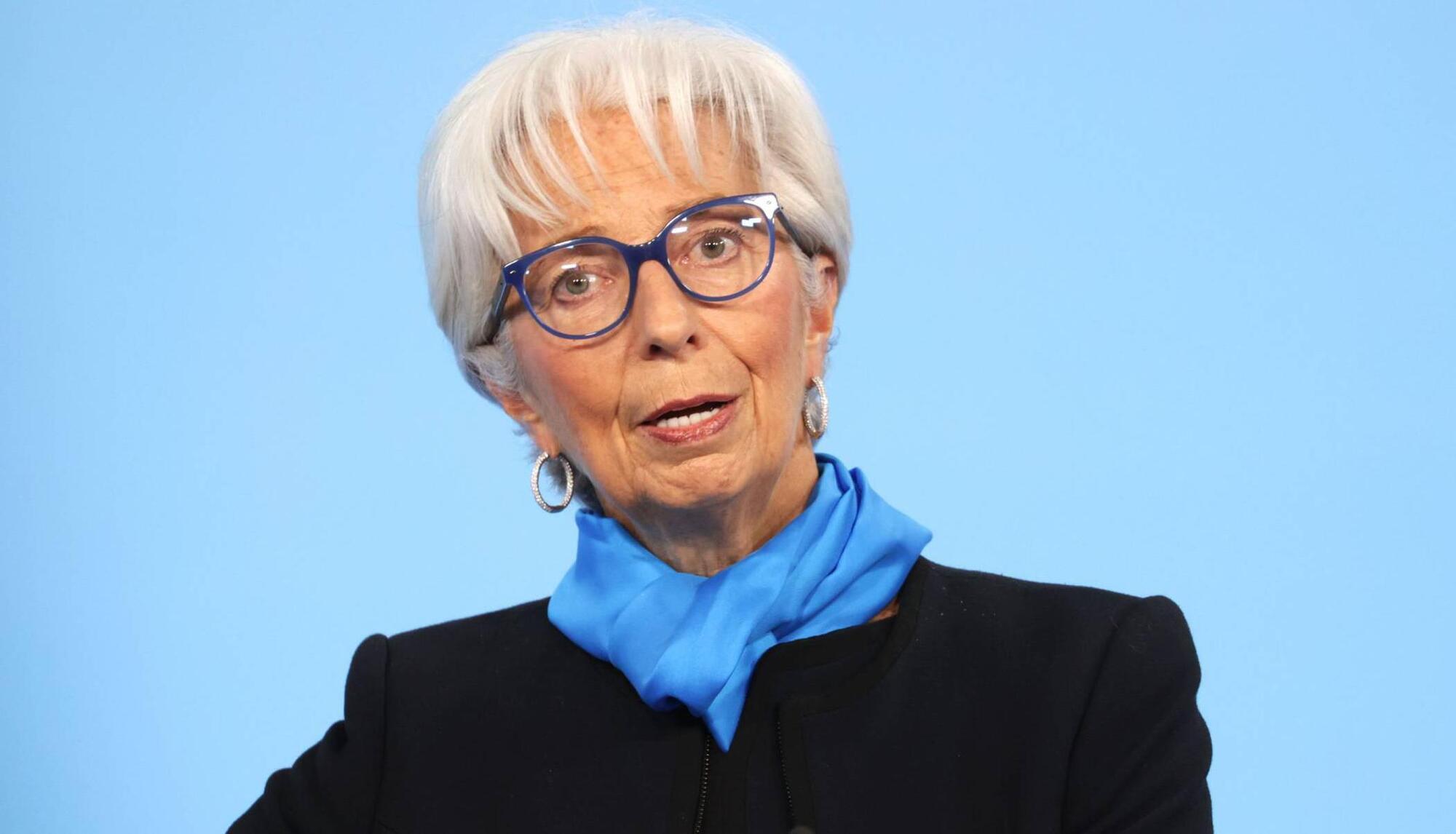
Christine Lagarde, president of the European Central Bank, said there is too much uncertainty to assume that inflation has peaked.
European Central Bank president Christine Lagarde said she would be surprised if eurozone inflation had peaked, suggesting the recent ramp-up in interest rates could continue.
“I would like to see inflation having peaked in October, but I’m afraid that I would not go as far as that,” she told MEPs in Brussels.
While the overall pace of consumer-price increases is likely to have slowed for the first time in 18 months in November, it still stayed above 10%, almost all economists predict. The median of 41 estimates is for an outcome of 10.4% in the reading when it is published on Wednesday.
Investors are looking for any sign that the ECB’s appetite for jumbo interest-rate hikes may be waning after the most aggressive increases in borrowing costs in its history, and as the eurozone braces for a recession.
Some members of the ECB's governing council have already called for a slower pace — particularly as plans to start unwinding the roughly €5 trillion of bonds bought in recent crises come together.
Others, though, see little room to ease off, with inflation running at more than five times the 2% target. Dutch central bank chief Klaas Knot has said that Europe should be ready for a “protracted period” in which the ECB returns inflation to the goal.
Meanwhile, Goldman Sachs and Deutsche Bank said stock markets are in for a wild ride next year as they don’t yet reflect the risk of a US recession.
The analysts said their model implies a 39% probability of a US growth slowdown in the next 12 months, but risk assets are only pricing in an 11% chance. “This increases the risk of further recession scares next year,” they wrote in a research note.
Deutsche Bank, meanwhile, expects the S&P 500 Index to slump to 3,250 points — 19% below current levels — in the third quarter as a recession begins, before rebounding in the fourth quarter.
Their calls are a warning after shares rallied sharply in the past two months on bets that a peak in inflation will lead to a softening of hawkish central bank policies.
CONNECT WITH US TODAY



Be the first to know the latest news and updates