AIB hikes mortgages for second time this year
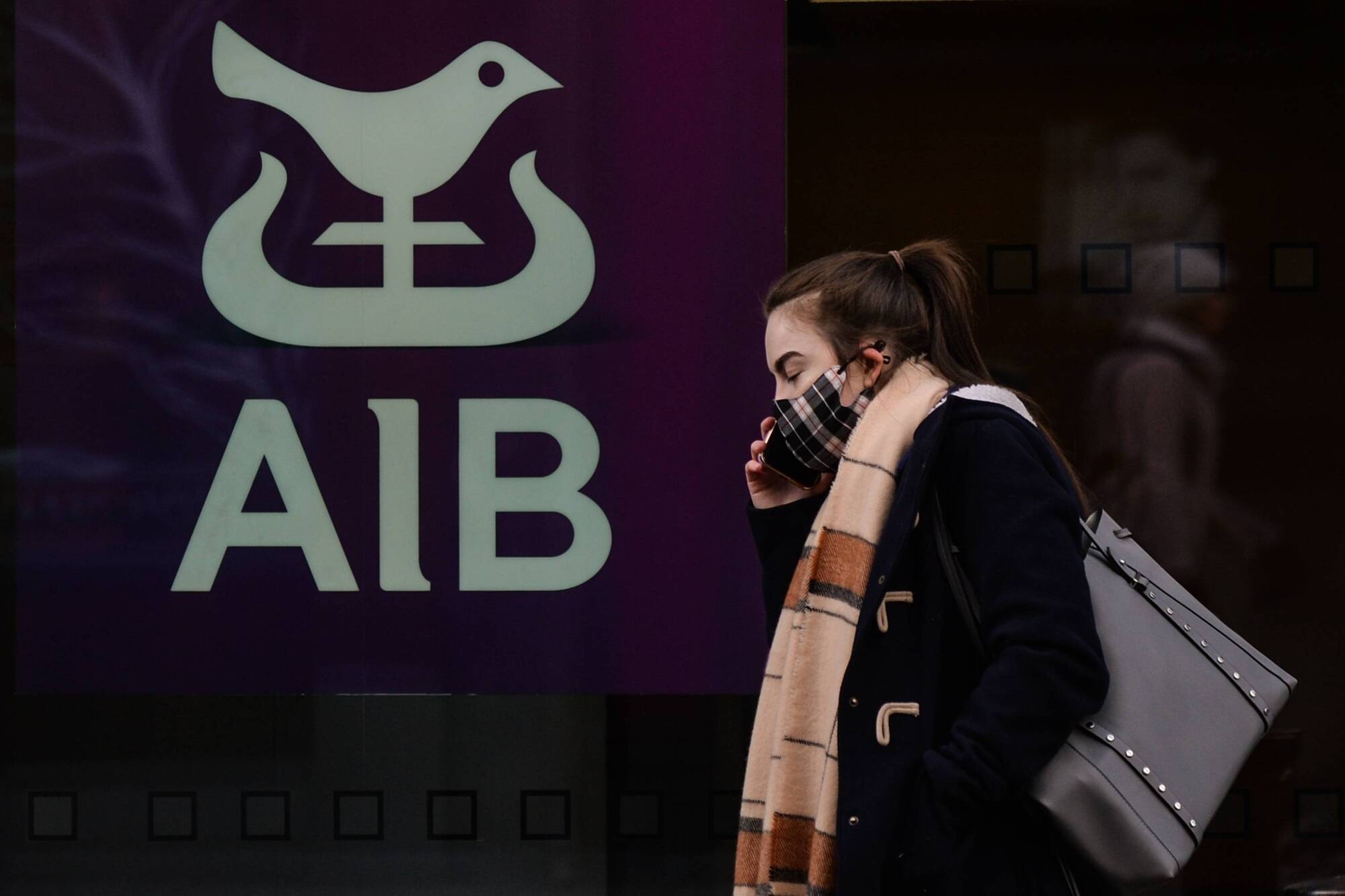
AIB's latest increase will lift the interest rate of a mortgage fixed for up to two years for a typical first-time buyer, who is taking out a loan for up to 80% of the value of the property, to 4.15%.
AIB has hiked the interest rates it charges its fixed-rate mortgage customers for a second time since the European Central Bank started increasing its official rates this summer, and other mortgage lenders are tipped to follow suit in the coming weeks.
The increase of 0.5% for new fixed-rate borrowers will effectively apply after Christmas because new mortgage borrowers can still tap the existing rates by January 16, said AIB.
The latest increase will lift the interest rate of a mortgage fixed for up to two years for a typical first-time buyer, who is taking out a loan for up to 80% of the value of the property, to 4.15%.
It marks the second round of rate increases by AIB for its fixed-rate customers since the ECB started hiking in July, and other banks will likely respond in time, said senior mortgage expert Michael Dowling.
“At first the main banks didn’t react to the ECB apart from AIB in raising fixed rates immediately, but now we are seeing the cycle of interest rate increases being passed on,” said Mr Dowling.
He expects Bank of Ireland to announce second-round increases to its fixed rates before Christmas, and Permanent TSB to do likewise, but likely at some time in January.
An increase of 0.5% on a 30-year €300,000 mortgage adds €82 a month to the service costs of a loan, said Mr Dowling.
The ECB is widely tipped to raise official rates again next month, by at least 0.5%. The central bank has increased rates by 2% since first starting out in the summer on its campaign to increase rates in its fight against inflation.
Households on tracker mortgages immediately see their interest rates rise in line with ECB increases.
The main Irish banks had delayed somewhat in passing on rate increases for fixed-rate and variable-rate customers, but some mortgage brokers said that the lenders would inevitably catch up with the ECB rate-hiking cycle.
Irish mortgage interest rates are among the highest charged across the eurozone.
Meanwhile, the implied cost of the Government to borrow from international debt markets was little changed over the week.
The yield or interest rate on the Irish 10-year bond traded at 2.4%, slightly cheaper than the cost for France, Austria, and Belgium.
The costs for Germany to borrow for 10 years has fallen to 1.97%, their third consecutive weekly fall.
The gap between the German two-year and 10-year government bond yields has widened to its largest gap since October 1992, in a sign that a recession may be looming.
When longer-dated interest rates are lower than those on shorter-dated bonds, it suggests investors expect the central bank to raise interest rates in the short term before cutting them later to deal with slowing growth.
Christoph Rieger at Commerzbank said it was a sign that investors expect the ECB to pause or even cut rates next year, he said. However, he added: "I think they'll continue raising rates more than the market and many people are predicting."
- Additional reporting Reuters

BLACK FRIDAY
Already a subscriber? Sign in

CONNECT WITH US TODAY



Be the first to know the latest news and updates