No evidence fuel operators coordinated price increases but report found delays in passing on excise cut
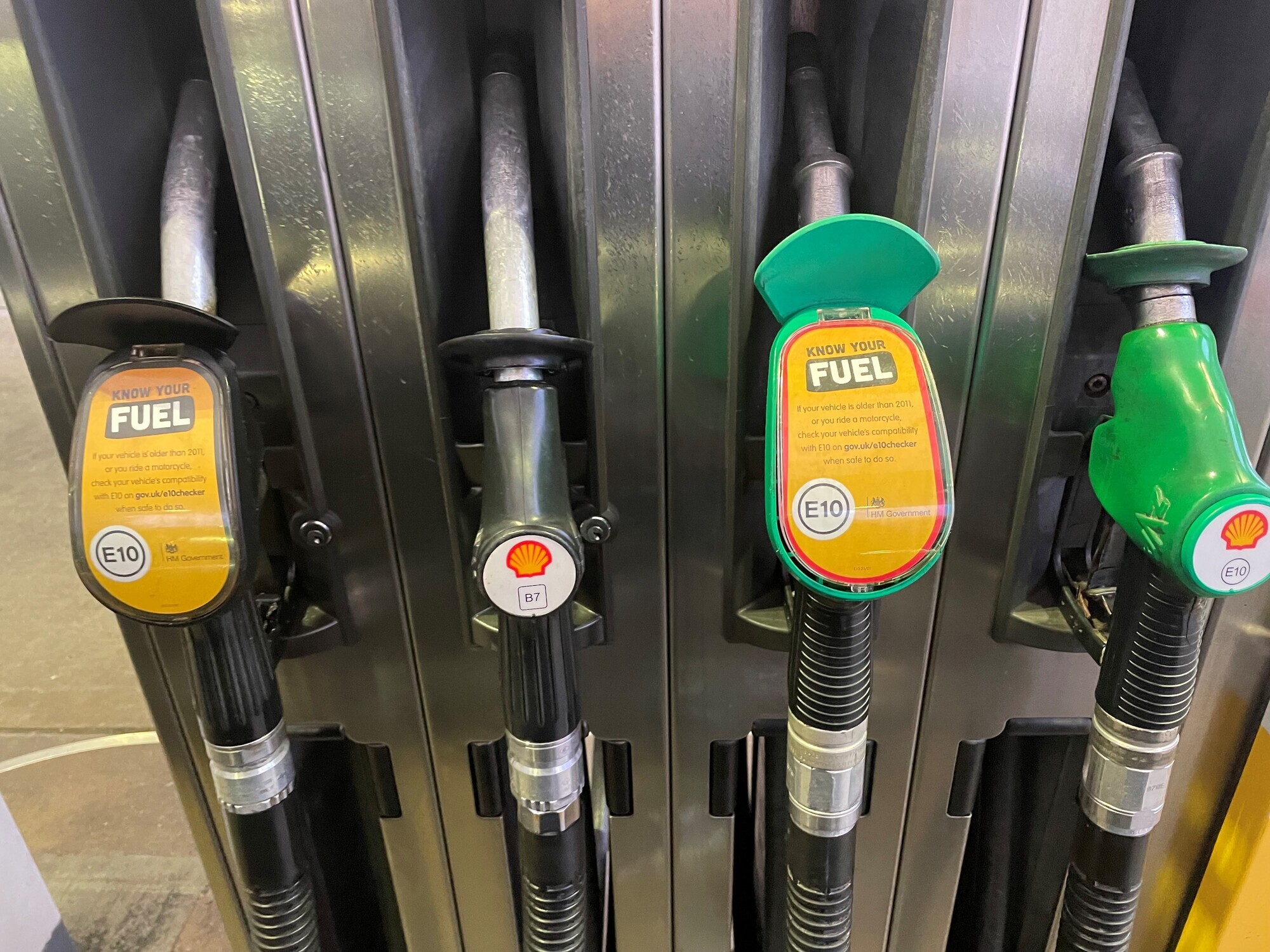
Motorists have been severely impacted by fuel price increases this year.
Petrol and diesel stations across Ireland did not coordinate price increases when fuel prices soared earlier this year an analysis by Ireland’s competition watchdog has found.
The Competition and Consumer Protection Commission (CCPC) received more than 200 complaints about the retail motor fuel market from the public raising a variety of issues including lack of competition amongst fuel stations, petrol stations coordinating price increases and stations failing to pass on the cut in excise the Government introduced to ameliorate the situation.
Petrol and diesel retail prices rose sharply in early 2022 putting pressure on consumers at the petrol pump as Russia’s invasion of Ukraine came just as the world was emerging from the impact of the Covid-19 pandemic and a global supply chain crisis.
The CCPC conducted an analysis of the retail motor fuel market with a particular focus on the 19-day period between 2 and 20 March 2022 which covered the temporary cut in excise on March 9.
The CCPC received detailed pricing information relating to 50% of the service stations in the State. The research shows that increased international prices were behind price increases for consumers in the period leading up to the Government’s excise cut, rather than stations illegally coordinating their prices or a lack of competition.
The CCPC’s analysis shows that 36% of the service stations in Ireland are owned and operated by the following fuel companies: Circle K (13%), Applegreen (10%), Maxol (6%), Top Oil (3%), DCC (3%), and Greenergy (1%). 64% of fuel stations are owned and operated by small traders or independent brands.
In instances where sales were concentrated amongst one or two fuel companies in a particular location, the data showed that those companies were the most competitively priced in the local area during the period of analysis.
Analysis by AA Ireland shows motorists are currently paying an average of 183.3c for petrol and 202.5c for diesel. Pre Covid, in January 2020 the average price was 144.5c for petrol and 135.9c for diesel. Prices fell sharply following the introduction of pandemic restrictions but began to rise again in the middle of 2021. By January this year, petrol was 175.5c and diesel was 166.1c and continued to rise before peaking in June at 213.2c for petrol and 205c for diesel.
The analysis also ruled out forecourt operators hiking the price of fuel in the days leading up to the excise cut in aniticpation of its reduction, saying crude prices were rising rapidly during this period.
The CCPC said their analysis showed that the excise cut was passed on to consumers but not immediately. They explained that some forecourts keep 30 days of stock on site and would have already paid the higher excise on the fuel int heir tanks.
“Overall our analysis suggests that the excise cut was largely passed through to customers, albeit not instantly,” the CCPC said.

CONNECT WITH US TODAY



Be the first to know the latest news and updates