Sterling could fall further against euro and dollar on UK's woes
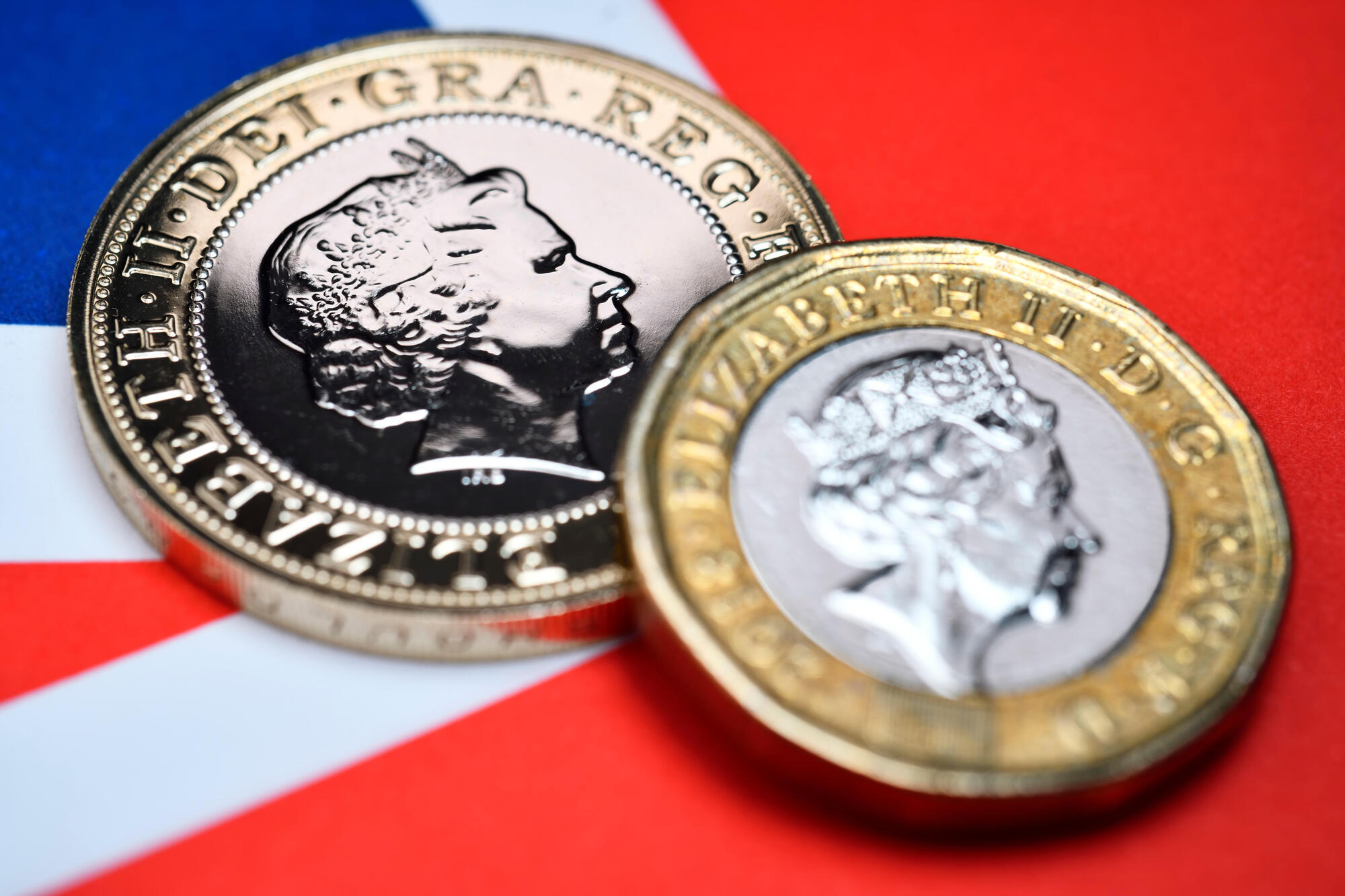
The British pound fell almost 3% versus the US dollar last week, its worst performance since late September and the biggest drop among major currencies globally. Stock picture
A shift in the Bank of England’s focus from inflation to a darkening economic outlook has become the latest reason to sell sterling.
The UK currency fell almost 3% versus the US dollar last week, its worst performance since late September and the biggest drop among major currencies globally.

Sterling looks set for another dip toward parity with the dollar, with banks including Mitsubishi UFJ Financial Group (MUFG), Bank of America, and Rabobank predicting a fall below $1.10 by the end of the year.
The sterling also suffered its worst week versus the euro in more than two years, and BNP Paribas predicts another bout of selling could see it fall to 93 pence per euro, from around 87p at the moment.
The Bank of England’s struggle to get ahead of inflation has been a key driver of pound weakness all year and the latest selloff clips the pound’s recovery from the UK’s disastrous mini-budget just over a month ago. Investors now say the growing divergence in the approach to inflation at the Bank of England and the US Federal Reserve is a reason to shun the UK currency. For the pound, that means there’s more pain in store, according to Derek Halpenny at MUFG. He wrote:
Coupled with the UK’s large current-account deficit, it “could mean investors view further pound depreciation as the inevitable consequence,” with sterling slipping below $1.10 “soon enough”, he said.
The pound’s rebound from a record-low $1.0350 has run out of steam and investors could be tempted to resume short bets against it in the face of renewed dollar strength, BNP Paribas said.
Meanwhile, UK chancellor Jeremy Hunt is considering changing income tax rules which are designed to encourage workers to save into their pension pots, the Telegraph reported.
Talks are underway to reduce the rate at which income tax relief is applied to Britain’s higher-rate taxpayers from 40p to as low as 20p, according to .
Increasing the number of very high earners whose income relief is cut further is another option, the report said. The total cost of pension tax relief to the UK exchequer is £42.7bn (€48.7bn), of which £22.9bn is relief on income tax. A flat rate of 20% would raise between £8bn to £10bn a year, according to a report by the Pension and Lifetime Savings Association.
It marks the resurrection of a plan first pitched by former chancellor George Osborne in 2016, which was abandoned by the Conservative Party.
Sunday’s report comes after a separate story published on Saturday which said the lifetime allowance for pension savings — the maximum you can draw from retirement funds in your lifetime without paying extra tax — is set to be frozen for another two years.
The move would mean 2m savers facing charges of up to 55% on their pension fund by the end of that period.
- Bloomberg