John Whelan: Airline bosses worry about the costs of air traffic control delays
Delays caused by air-traffic control across Europe cost €6bn, equivalent to 11.6 million tonnes of excess CO2 in 2019.
The heads of the European airline industry did not hold back at the 'Future of Aviation' conference in Brussels last week with their overriding message that there was urgent need to overhaul air traffic control across the continent.
Direct calls for consolidation of the air-traffic control system were made among others by Willie Walsh, the director general of the business group, the International Air Transport Association, or IATA.
Mr Walsh said it was a disgrace there had been little progress in establishing the Single European Sky programme.
The industry has said that delays caused by air-traffic control across Europe cost €6bn, equivalent to 11.6 million tonnes of excess CO2 in 2019.
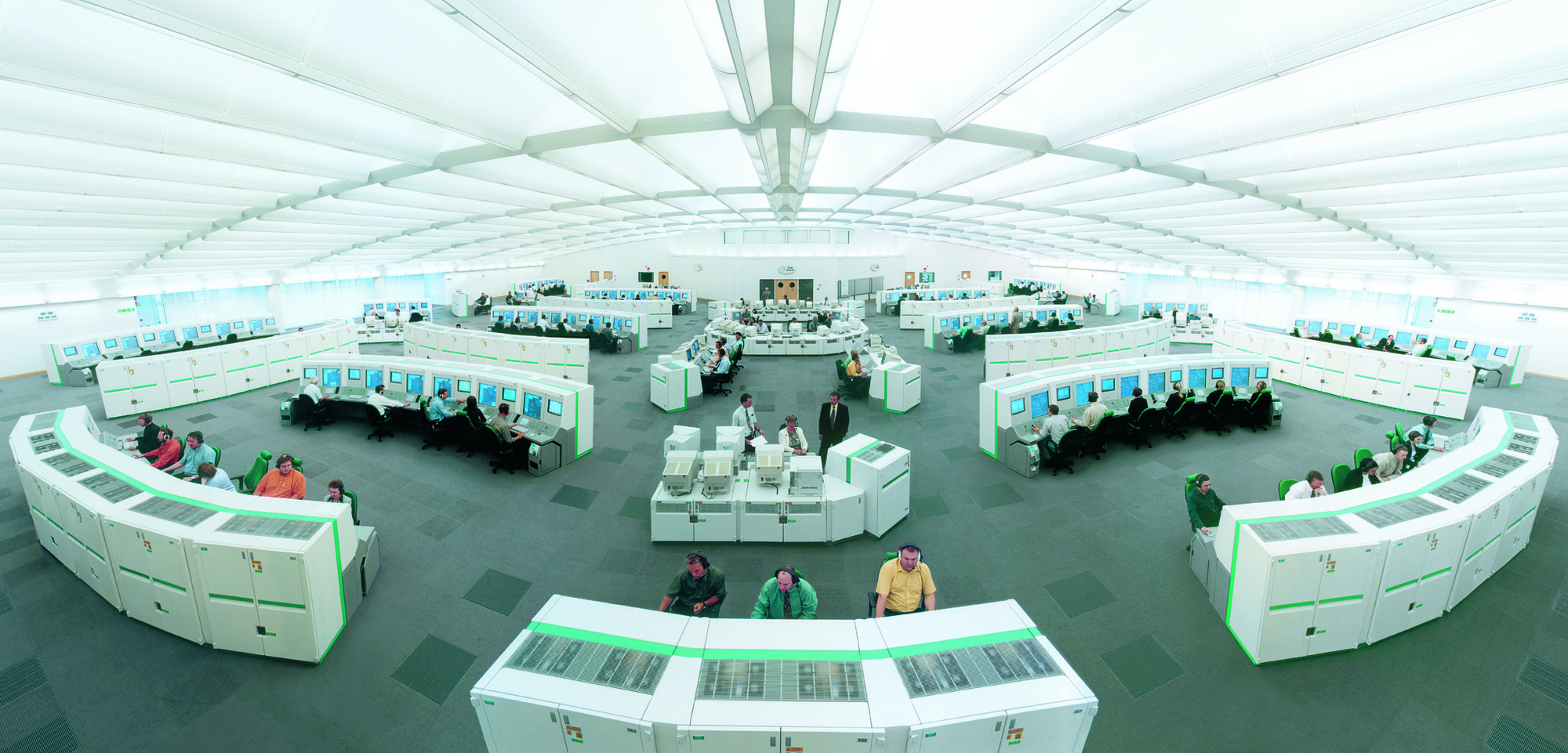
With each country having its own air traffic control system and cost structure, flying across the EU looks like a spaghetti bowl.
There is then the potential for a strike by one country’s traffic controller disrupting flights across many other countries.
Ten minutes could be cut off each flight if air-traffic control systems were improved, according to Aengus Kelly, the chief executive of Dublin-based global aircraft leasing company Aer Cap.
That would result in significant reductions in carbon emissions and costs. The technology existed, according to Mr Kelly, with the only obstacle being "political nonsense’’ among EU states.
Eamonn Brennan, chief executive for the past five years of Eurocontrol, the Brussels-based intergovernmental organisation that coordinates the air traffic control system of over 40 states across Europe, was the organiser of the conference.
As his last major function before stepping down, Mr Brennan had firm views on the issues raised by the industry.
He worries that we’ll have another outbreak of the pandemic this winter and that EU governments will have to provide a more unified response. He believes national governments will have to give more power in the future to the European Commission to play a bigger role.
The predictions by Eurocontrol for recovery after the worst of the pandemic were accurate and that the airlines, he said, delivered and recovered very quickly from the crisis.
However, he said that the problem of disruptions arose because airports lost a lot of staff during the pandemic, having shed lower-paid staff in particular.
In the future, there has to be more focus that the main objective of an airport is to move passengers through to flights, and not to have them buy stuff in shops.
Mr Brennan said Eurocontrol was doing a lot to mitigate the delays. He said that it diverts aircraft and implements changes to flight plans.
But he identified big issues of the Ukraine war with military operations that restrict air space for civil use in several parts of Europe, including in Poland.
On the lack of progress in moving forward the Single European Sky scheme, Mr Brennan admitted to being frustrated. The proposal on the table is for seven air traffic control centres for Europe, instead of the current 62 points.
The industry chiefs have recognised that the situation has become fragmented and overtime has become worse.
If you travel between Sweden and Greece by road, there will be no border checks. But travelling by air, means you have multiple air traffic control centres and associated checks.
Mr Brennan said that managing traffic control across Europe was no easy feat but technology could replace the need for so many air traffic control centres.
Member states do not want to lose the revenues they generate from having aircraft flying in their air space.
The charges billed to European air space users before Covid was worth billions of euro each year.
My own view is that some sort of financial package to compensate states that would lose revenue by making the system more efficient will be the most likely solution, even though there is no sign that the EU will do such that any time soon.

CONNECT WITH US TODAY



Be the first to know the latest news and updates