Remote workers at high risk of anxiety, warns neuroscientist
Reformed heroin addict leads speakers for ‘NBI Connected’ event to highlight need to focus on workplace wellness
Remote workers at high risk of anxiety, warns neuroscientist

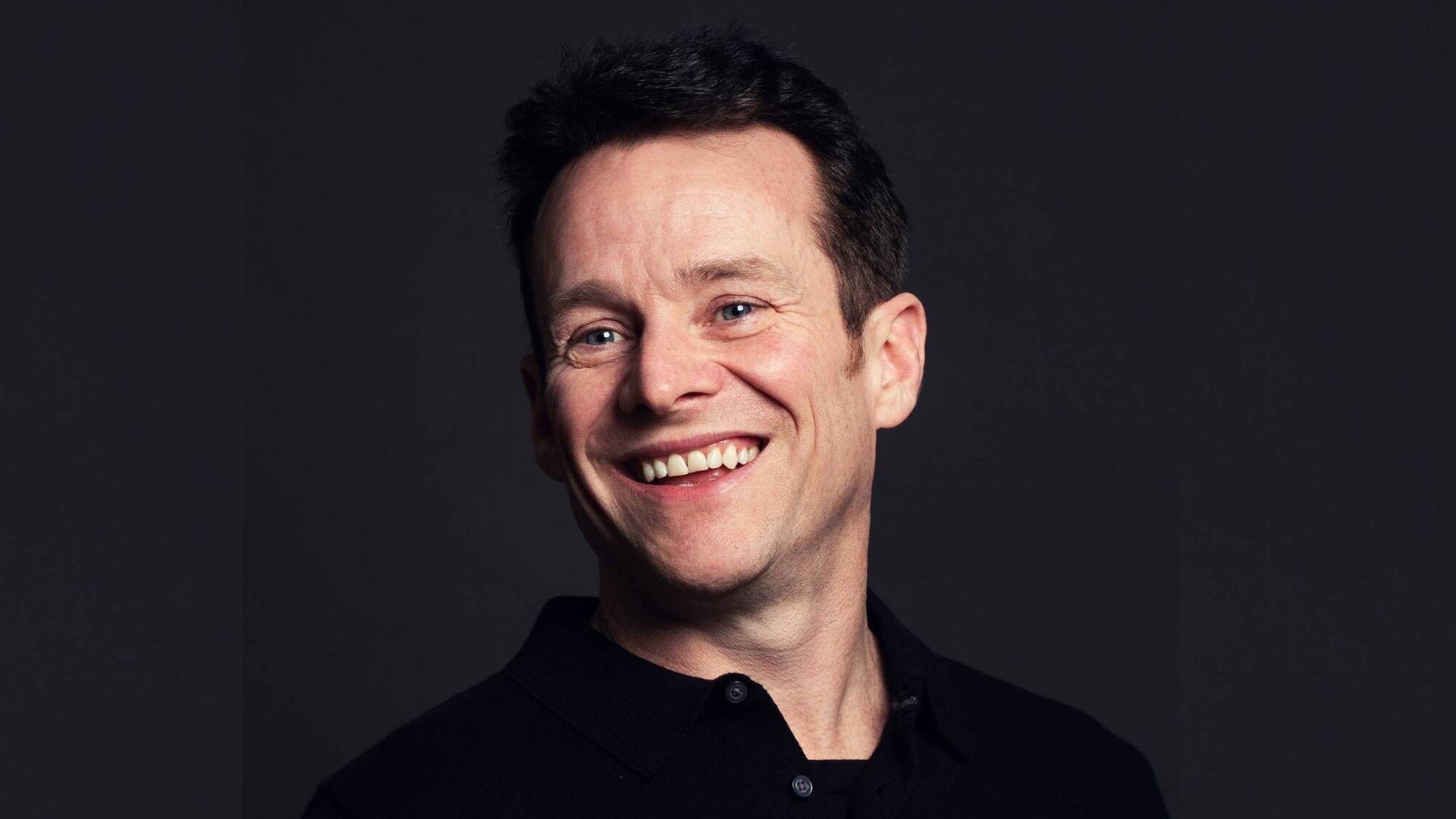
Brian Pennie, a reformed heroin addict who is now a successful author, motivational speaker and Neuroscience expert.

Workplace awareness and support for people suffering from anxieties have grown since the pandemic, says Brian Pennie, a recovering heroin addict who is now a successful author, motivational speaker and Neuroscience expert.

“In terms of awareness of the need to focus on people’s wellness, I think the ball was already moving in this direction, but Covid has certainly given a big nudge to how we look out for people’s anxieties in a work context,” said Brian, who also lectures on the Neuroscience of Mindfulness in UCD and on the Neuroscience of Addiction in TCD.

“A lot of our anxieties are driven by our worries about the future, and a lot of those worries have been heightened in the recent years of social isolation. People need a human connection.

“I am doing a lot of corporate programmes at the moment around hybrid work models. While some people have returned to the workplace, the social isolation is continuing for a lot of people, and that is creating a lot of problems for people.” 

Next Monday, October 10, Brian is one of a panel of speakers addressing workplace wellness topics at ‘NBI Connected’, a launch event for National Broadband Ireland’s colleague and community engagement programme in NBI’s head office in City West, Dublin.

The event coincides with World Mental Health Day (WMHD), a day for global mental health education, awareness and advocacy. Other speakers include Jed Dowling, CEO and festival director, Dublin Pride, and Christelle Gebhardt, culture and training manager, Dublin Pride.

Dublin Pride/Pride@Work, National Coming Out Day will fall on Tuesday, October 11, the day after the launch of NBI Connected. NBI also plans to shine a spotlight on the implications that coming out can have on a person’s mental health.  

Peter Hendrick, CEO of National Broadband Ireland.

Peter Hendrick, CEO of NBI, said: “NBI Connected is designed to engage our employees in areas which are key for personal and professional development. The programme of activities will bring even more meaning and relevance to colleagues about the work we are doing at National Broadband Ireland to connect communities in every county in Ireland.

“We want the programme’s activities to have a good balance of workplace wellness, awareness and education so World Mental Health Day felt like a very fitting day to mark the launch. I’m also particularly delighted that the event will hear from a number of distinct perspectives, like Brian’s, which should enable really positive engagement at the event.” 

Neuroscience lecturer is a decade clean from heroin addiction

Author of ‘Bonus Time’ and founder of Change Is Possible, Brian’s talk at the NBI event will centre on his own life story since 2013, when he emerged from 15 years of chronic heroin addiction to start a new drug-free existence.

He took part in a neuroscience research project, from which he retains ‘before and after’ scans of his brain, showing that he effectively reduced the predictive age of his brain by five years by coming off heroin.

Over time, this took Brian on an academic path to learn more about the subject. He won several academic awards, including a fully-funded €100,000 PhD scholarship in Trinity College Institute of Neuroscience. He now lectures on the subject in TCD and UCD.

“This set me off on an amazing journey, but there were several bumps along the way,” recalls Brian on his website, brianpennie.com. “In early 2016, my competitive nature led me astray. I became so obsessed with university that anxiety and overthinking – the things that drove me towards addiction – came back into my life.

“That light, joyful feeling I was gifted back in detox had disappeared. Life had lost its colour, its energy, its soul. What shocked me most, however, was that I hadn’t even noticed. How did I not see it? How did I lose the most profound thing that had ever happened to me without even realising?” 

Brian recognises the potential for similar dangers of anxiety, overthinking and paranoia within the social isolation that has come about with the rise of remote working. He said he sees the value for some people of reducing their commuting time, but cautions against the potential emotional and psychological impacts of self-isolation.

“There are not many biomarkers in humans, but there is one for anxiety, and isolation can lead to fear and anxiety,” he says. “There is no biological marker for depression and other psychological illnesses. In purely biological terms, there is no such thing as depression.” 

He contrasts this with positive markers such as the high levels of oxytocin produced by early parent-infant interactions and the serotonin hormonal boost from happy human interactions.

What advice then does he have for people watching out for the wellbeing of others in the workplace? Does he advise people to be on the lookout for unwellness among colleagues? How should one intervene to help a colleague?

“I really don’t have any expertise in diagnosing people’s wellness,” he says. “In work, sometimes people do try to be a fixer, but that strikes me as being a bad idea when you don’t have the expertise.

“That level of help is best left to people with the relevant expertise. I’d suggest you try to move them towards some form of expert help. That is one of the good things about the workplace. People around you will try to help you find the right expert help.

“What I like about ‘NBI Connected’ is that it is part of a longer-lasting programme. I’ve been invited to speak at some corporate events and they’ve just been a one-day thing. NBI’s programme is about lasting change.” 

NBI also offer a selection of other programmes for its employees with an emphasis on mental wellbeing. These include: Employee Assistance Programme (EAP); Positive Parenting Webinar; Guided Mindfulness; Positive Mental Wellbeing; Mindset & Resilience; and Dignity at Work. 


x

More in this section

The Business Hub

Newsletter

News and analysis on business, money and jobs from Munster and beyond by our expert team of business writers.

Cookie Policy Privacy Policy Brand Safety FAQ Help Contact Us Terms and Conditions

© Examiner Echo Group Limited