Ukraine says total of 165 grain ships have left Black Sea ports
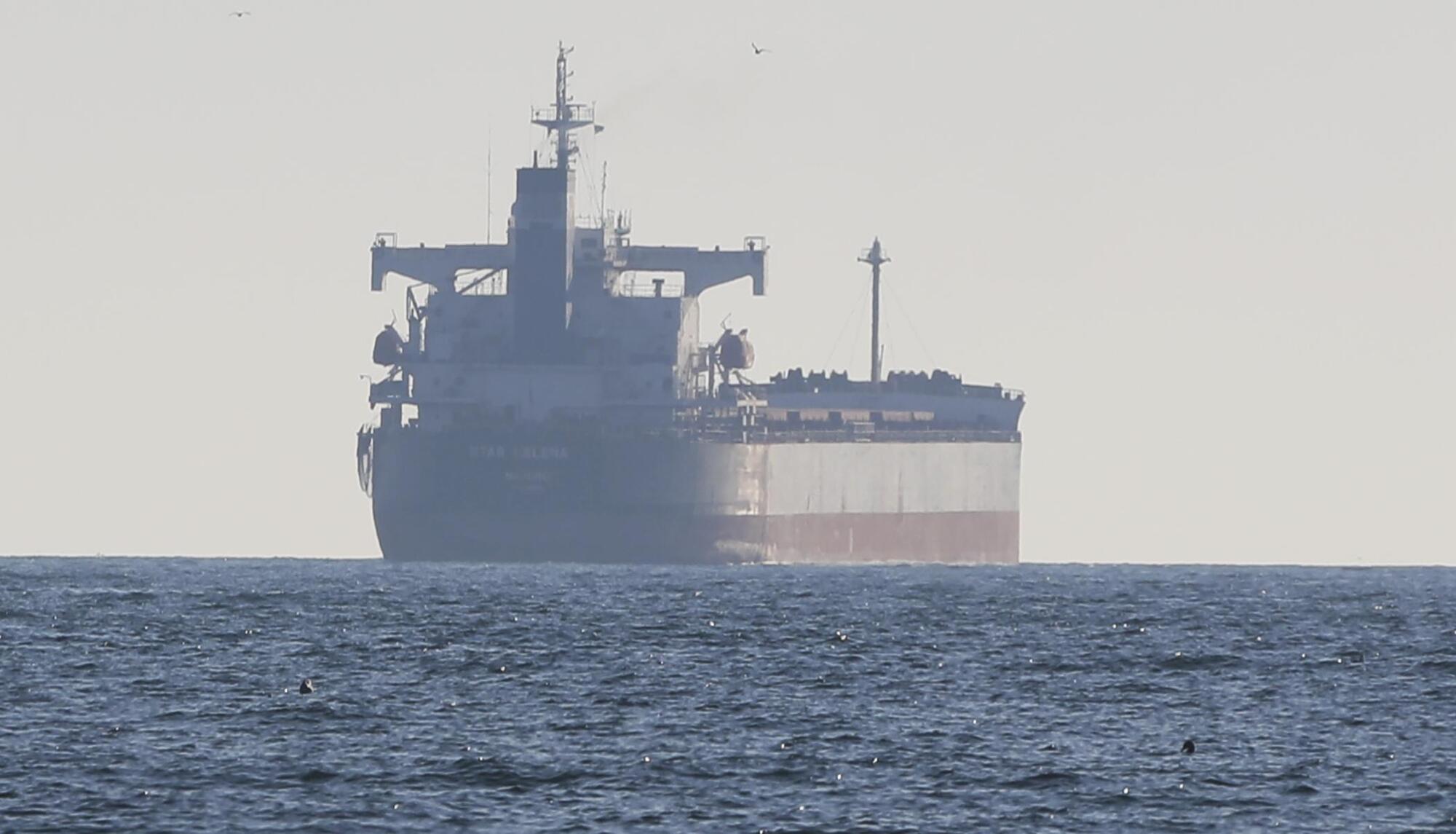
Three Black Sea ports were reopened under a deal signed on July 22 by Moscow and Kyiv.
A total of 165 ships with 3.7m tonnes of agricultural products on board have left Ukraine under a deal brokered by the United Nations and Turkey to unblock Ukrainian sea ports, the Ukrainian infrastructure ministry has said.
“At 10am, eight ships left the ports of Great Odesa, and two more are waiting for their turn and favourable conditions,” the ministry said in a statement.
Ukraine's grain exports slumped after Russia invaded the country on February 24 and blockaded its Black Sea ports, driving up global food prices and prompting fears of shortages in Africa and the Middle East.
Ukraine, a global major grain producer and exporter, shipped up to 6m tonnes of grain per month before the war.
Three Black Sea ports were reopened under a deal signed on July 22 by Moscow and Kyiv and the ministry has said these ports are able to load and send abroad 100-150 cargo ships per month.
Ukraine's infrastructure ministry had said on Saturday that a third vessel charted by the United Nations World Food Programme, or WFP, had left Ukraine's Chornomorsk Black Sea port with around 30,000 tonnes of wheat on board,
"The vessel is headed for Ethiopia," the ministry said in a statement.
It said that in partnership with the WFP, three ships loaded with more than 90,000 tonnes of wheat are on their way to Ethiopia and Yemen.
"We plan to export another 190,000 tonnes, which are currently being purchased by UN partners," the ministry said, adding that besides the Ikaria Angel, another nine vessels have left Ukrainian ports on Saturday.
The country's grain exports have slumped since the start of the war because its Black Sea ports — a key route for shipments — were closed off, driving up global food prices and prompting fears of shortages in Africa and the Middle East.
On Friday, prices of wheat and soybeans in the US slid further from two-month highs hit earlier in the week as South American and Black Sea supplies come onto world markets, while economic uncertainty clouds the outlook for demand.
CONNECT WITH US TODAY



Be the first to know the latest news and updates